 by
by Identity protection services are often marketed as if they can stop identity theft before it happens. In reality, no service can guarantee that outcome. Personal information may already exist across banks, employers, healthcare providers, retailers, data brokers, public records, and breached databases. The practical value of an identity protection service is usually in monitoring, alerting, recovery support, and helping you respond faster when suspicious activity appears.
That distinction matters. A useful identity-security plan combines monitoring with strong account protection, careful handling of personal data, credit controls, and fast action after a warning. The Federal Trade Commission’s identity theft guidance emphasizes practical steps such as reviewing accounts and credit reports, using stronger authentication, and considering credit freezes. This guide explains where commercial identity protection services fit into that broader strategy.
What Identity Protection Services Actually Do
Most services combine several monitoring and support functions into one dashboard. The exact features vary, so it is important to compare the service you are considering rather than assume every plan includes the same coverage.
Common monitoring features
- Credit monitoring: watches one or more credit files for new accounts, hard inquiries, address changes, or other report activity.
- Dark-web and breach monitoring: searches available breach and criminal-market data for email addresses, passwords, phone numbers, or other identifiers.
- Financial account alerts: may connect to supported bank or card accounts and flag unusual activity.
- Public-record monitoring: looks for changes involving addresses or other identity-linked records where available.
- Identity recovery assistance: provides specialists, checklists, or document support if fraud occurs.
- Insurance or expense reimbursement: some paid plans include coverage subject to policy terms, limits, exclusions, and eligibility rules.
Monitoring is useful because speed matters. An alert about a new credit inquiry can help a consumer investigate before additional accounts are opened. However, monitoring is not the same as prevention. A service cannot control every organization that holds your data, and it cannot stop every scammer from attempting fraud.
The Most Important Protection Happens Before an Alert
Strong everyday controls reduce the usefulness of stolen information. Think of identity monitoring as a detection layer, not the foundation.
Use unique passwords and a password manager
Reusing passwords creates a chain reaction: one breached website can expose credentials that attackers test elsewhere. Use a unique password for important accounts and store it in a reputable password manager rather than trying to memorize dozens of variations.
Enable strong multi-factor authentication
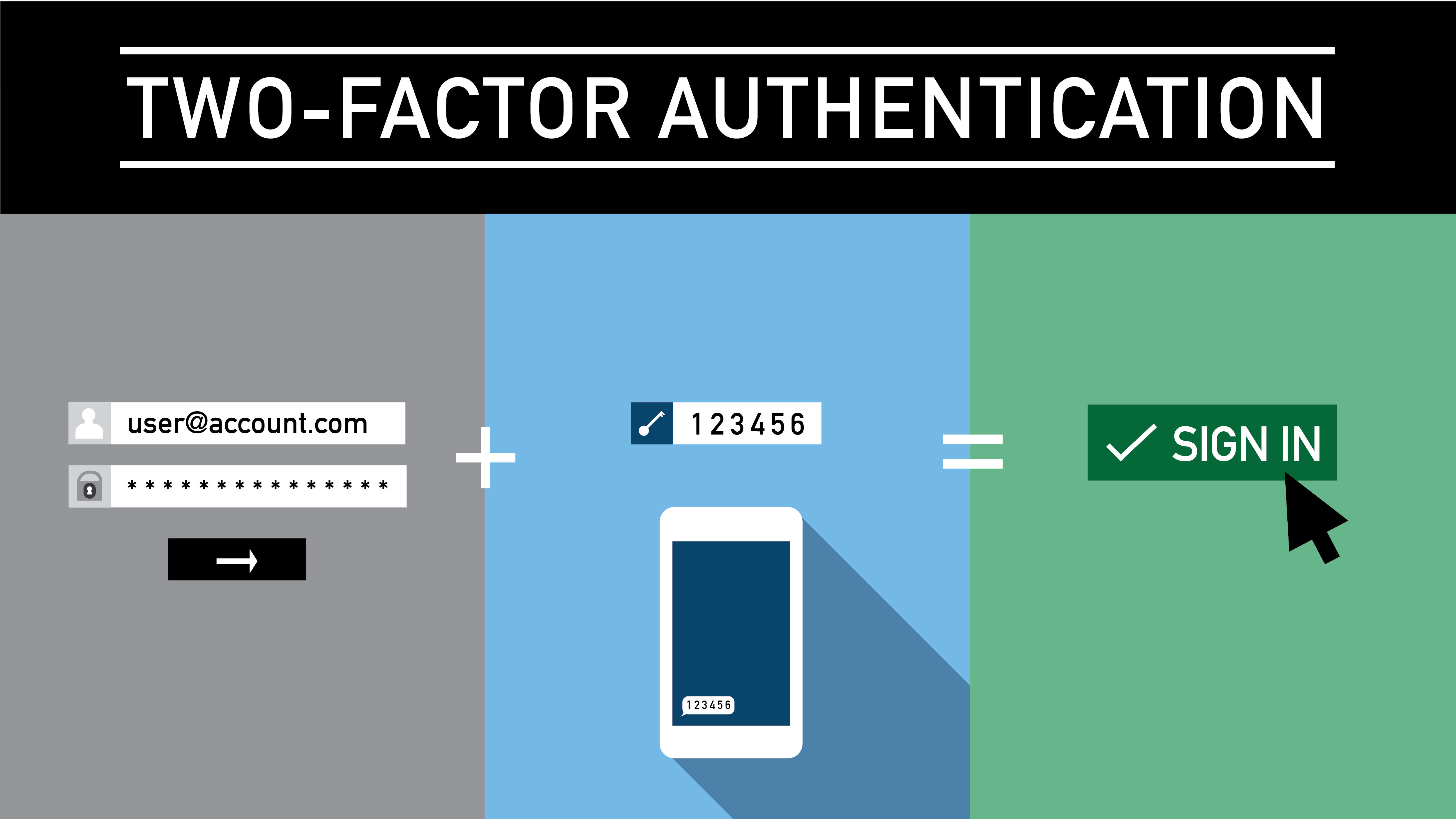
Multi-factor authentication adds another verification step when a password is compromised. CISA’s MFA guidance notes that methods differ in strength and encourages organizations to move toward phishing-resistant options where feasible. For a detailed explanation, read our guide to multi-factor authentication and online security.
Freeze credit when appropriate
A credit freeze can make it harder for a criminal to open a new credit account in your name. In the United States, the FTC explains that consumers can place and lift freezes through the major credit bureaus. A freeze does not prevent every form of identity fraud, but it directly addresses new-credit abuse.
Identity Monitoring vs. Credit Monitoring
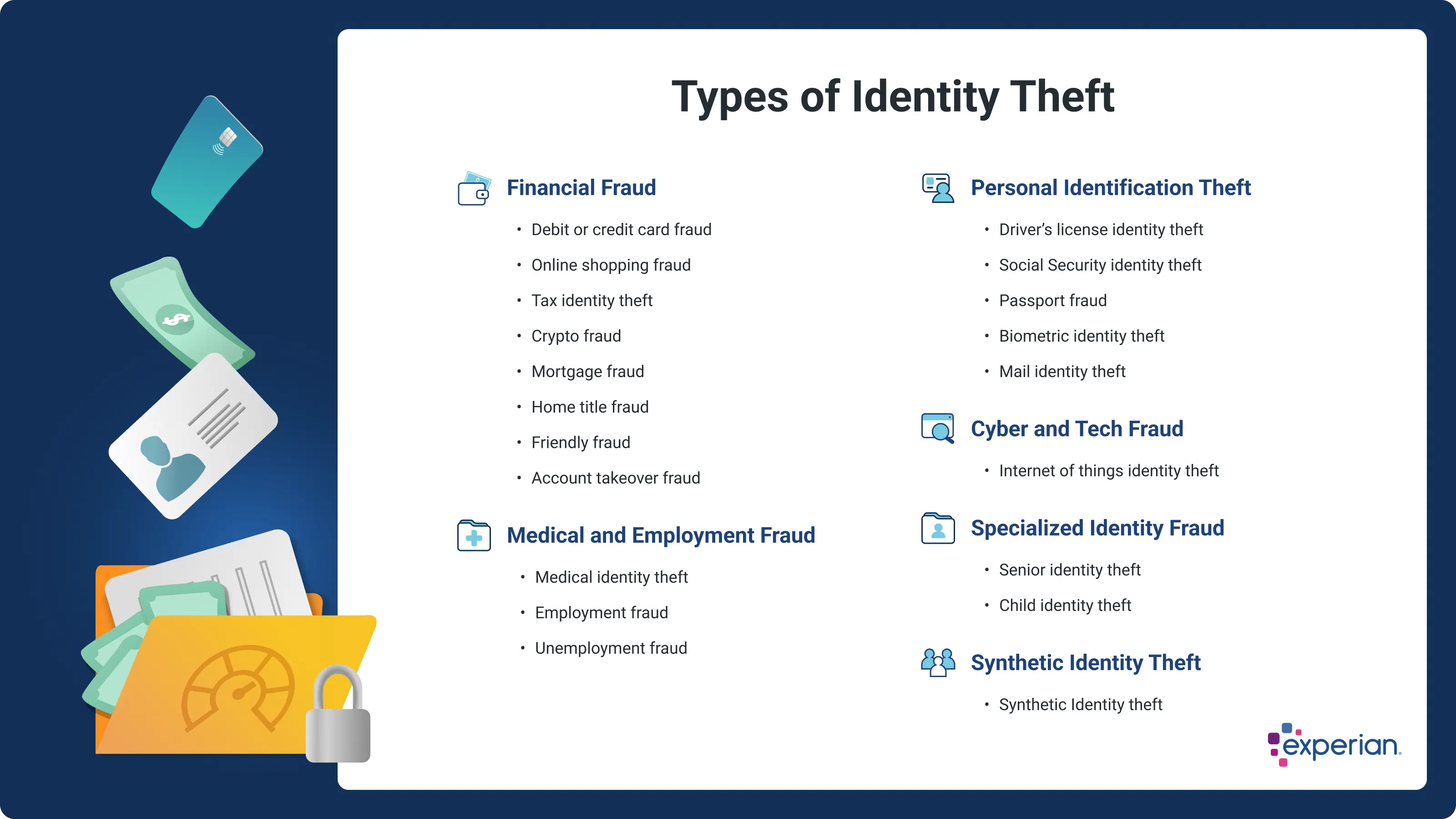
| Feature | Credit monitoring | Broader identity monitoring |
|---|---|---|
| New credit accounts | Usually | Usually |
| Credit inquiries | Usually | Usually |
| Breached email/password data | Not always | Common |
| Public-record signals | Limited | May be included |
| Recovery support | Varies | Often included in paid plans |
| Insurance/reimbursement | Uncommon | May be included, subject to terms |
If your main concern is fraudulent new credit, a freeze plus free credit-report review may address much of the risk. A paid identity service can be more useful when you want centralized alerts, broader monitoring, family coverage, or guided recovery support.
How to Evaluate an Identity Protection Service
A higher price does not automatically mean better protection. Compare the features that match your actual risk and confirm how each one works.
Questions to ask before subscribing
- Which credit bureaus are monitored, and how frequently?
- What personal identifiers can be monitored?
- How are alerts delivered, and can alert preferences be changed?
- Does the plan include recovery assistance from a real specialist?
- If insurance is included, what losses and expenses are actually covered?
- How is the service itself protecting the personal data you provide?
- Can family members or children be covered?
- How easy is it to cancel and delete stored information?
Read insurance terms and privacy policies rather than relying only on marketing summaries. “Identity theft insurance” often covers certain recovery expenses rather than reimbursing every stolen dollar. Coverage depends on the policy.
Warning Signs That Deserve Immediate Attention
The FTC recommends watching for unfamiliar charges, unexpected bills, missing statements, unrecognized accounts, and changes in credit reports. Other digital warning signs include password-reset emails you did not request, MFA prompts you did not initiate, or security notifications from unfamiliar locations.
If a monitoring service sends an alert, do not automatically click links in the alert email. Open the service through its official app or a known bookmarked address. This avoids turning a legitimate security alert into an opportunity for phishing. Our guide to modern phishing defense strategies explains this verification habit in more detail.
What to Do If You Suspect Identity Theft
- Secure the affected account. Change credentials through the official service and sign out unfamiliar sessions.
- Review bank and card activity. Report unauthorized transactions using the institution’s official fraud process.
- Review your credit reports. Look for accounts or inquiries you do not recognize.
- Consider a credit freeze or fraud alert. Choose the option that fits the situation.
- Document the incident. Keep dates, case numbers, notices, and copies of relevant correspondence.
- Use official recovery resources. In the U.S., the FTC directs identity-theft victims to government recovery guidance and reporting tools.
Businesses dealing with customer or employee identity incidents should also follow their internal incident-response, privacy, and legal processes. The NIST Cybersecurity Framework provides a useful structure for governing, identifying, protecting, detecting, responding to, and recovering from cyber risk.
Identity Protection Checklist
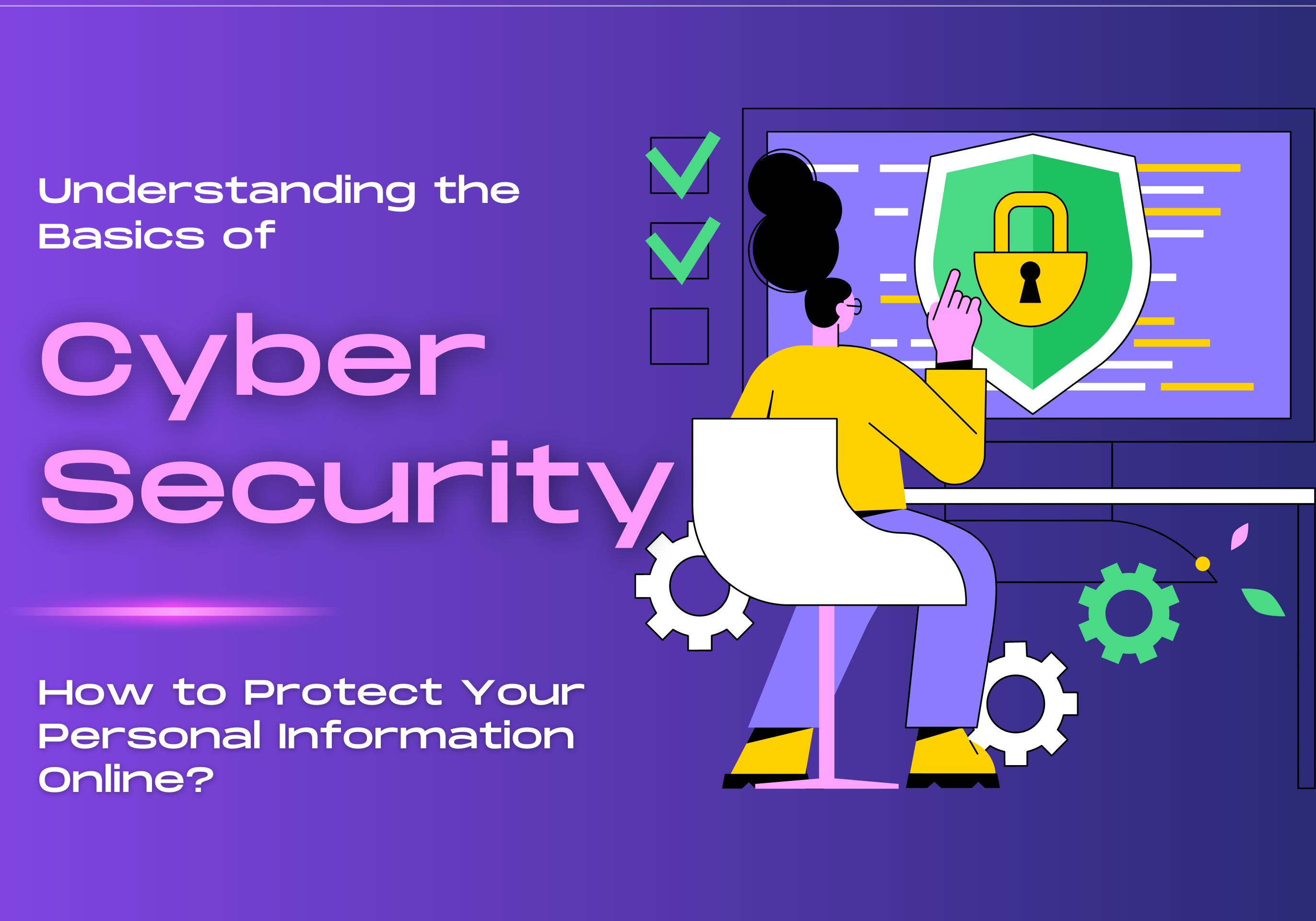
- Use unique passwords for email, banking, shopping, and other important accounts.
- Enable MFA and strengthen recovery methods.
- Keep your primary email account especially well protected.
- Review financial statements and security notifications regularly.
- Check credit reports and consider a freeze when appropriate.
- Share sensitive identifiers only when there is a legitimate need.
- Do not provide authentication codes to callers or message senders.
- Keep devices and browsers updated.
- Know the official fraud-reporting channels for your financial providers.
- If you buy monitoring, review its privacy policy and recovery terms.
Frequently Asked Questions
Can identity protection services prevent identity theft?
No service can guarantee prevention. These services can monitor for selected warning signs, send alerts, and provide recovery support. Prevention still depends heavily on account security, data handling, credit controls, and verification habits.
Is paid identity monitoring necessary for everyone?
Not necessarily. Some consumers may be comfortable using free credit reports, credit freezes, bank alerts, password managers, and MFA. Paid monitoring can add convenience and broader alerting, particularly for families or people who want guided recovery assistance.
Does a credit freeze stop all fraud?
No. A freeze is mainly designed to restrict access to your credit file for new-credit activity. It does not prevent account takeover, tax fraud, medical identity misuse, phishing, or fraud involving an existing account.
What should I protect most carefully?
Your email account deserves special attention because it is often used to reset passwords for other services. Strong unique credentials, MFA, secure recovery options, and regular session review can reduce account-takeover risk.
Conclusion
Identity protection services can be useful, but their value is clearest when expectations are realistic. They are best viewed as monitoring and recovery tools within a broader identity-security plan. The strongest foundation is still good account hygiene: unique passwords, strong MFA, careful verification, credit controls where appropriate, secure devices, and regular review of financial activity.
If you choose a paid service, compare its actual monitoring coverage, privacy practices, recovery support, and insurance terms rather than buying on fear-based marketing. Whether you subscribe or not, the most effective strategy is to reduce exposure, make account takeover harder, and respond quickly when something looks wrong.