Skip to content
-
Subscribe to our newsletter & never miss our best posts. Subscribe Now!
  • https://www.facebook.com/
  • https://twitter.com/
  • https://t.me/
  • https://www.instagram.com/
  • https://youtube.com/
FarFeshplus
FarFeshplus
  • Home
  • Home
Subscribe
Close

Search

Software Reviews

Marketing Automation Platforms Evaluated for Scalability and Performance

By farfesh.live
June 18, 2026 10 Min Read
0

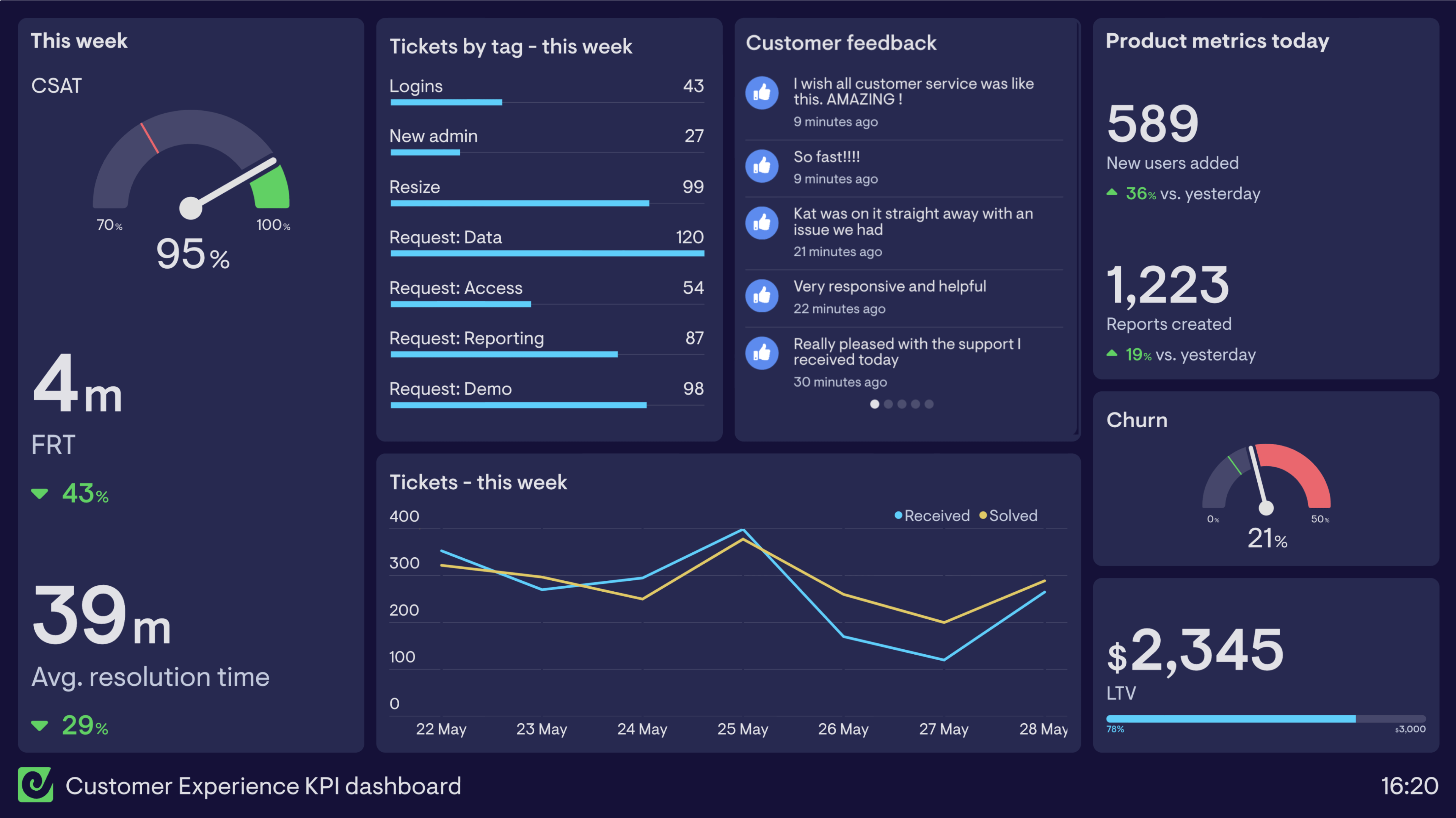
Marketing automation has grown far beyond simple email scheduling tools. Today it sits at the center of how many businesses connect with customers, manage campaigns, and drive growth. Companies use automation platforms to handle email marketing, customer journeys, lead nurturing, audience segmentation, reporting, and personalization from a single system.

As customer expectations continue to rise, businesses need platforms that can manage bigger databases, more campaigns, and higher engagement levels without slowing down. A solution that works perfectly with a few thousand contacts may struggle once that list grows into the hundreds of thousands.

Artificial intelligence has also changed the game. Modern platforms can predict customer behavior, score leads automatically, recommend content, and even decide the best time to send campaigns. In 2026, AI-powered personalization, predictive analytics, and unified customer data platforms have become major priorities for marketing teams.

Companies are no longer choosing software based only on features. They want platforms that can grow with the business while staying fast, reliable, and accurate. This guide looks at some of the leading marketing automation solutions and explores which platforms are best prepared for long-term growth.

https://images.openai.com/static-rsc-4/vOPhpCAwkGrzyjFc7_rKbwxgTlkOOgudRers1FJP7NXwFqJ2CQzkY3ZNZrtyETc0_0vOotQEPo5IBeBS97pG9U_X7CZaHQrYnIjYMXVf4RRp7-yKffcjkSjzUY6ImFK84lw-dDgVYtSgfk7Gb3nB4ZkATs_7-LEWsgf3EkMxdP0d4WmrgU9ZQsZrF7Ih7kCE?purpose=fullsize

Why Scalability Matters More Than Features

A platform can look impressive during a product demo or free trial. The real test begins when customer data grows, campaigns become more complex, and multiple teams start relying on the system every day.

Understanding Growth Requirements

Most businesses start with a small contact database and a handful of email campaigns. As they grow, marketing operations become much more demanding. New audience segments are created, CRM systems are connected, SMS campaigns are launched, social media workflows are added, and reporting becomes more detailed.

Every new process increases the workload placed on the platform.

A scalable platform should support:

  • Large contact databases
  • High email sending volumes
  • Multiple user teams
  • Cross-channel campaign execution
  • Complex customer journey automation

Performance Under Pressure

Performance is about much more than speed. It also includes stability, workflow reliability, reporting accuracy, and integration performance.

Imagine an ecommerce store running a major holiday promotion. Thousands of visitors arrive within a short period of time, triggering automated emails, SMS notifications, abandoned cart reminders, and product recommendations.

If the platform cannot process these actions quickly, customers may receive delayed communications or miss offers entirely. That creates a poor experience and can directly impact revenue.

Businesses that prioritize scalability early often avoid expensive platform migrations later. Moving years of customer data, workflows, and integrations to a new system can be both costly and disruptive. Choosing a platform designed for growth helps create long-term stability.

https://images.openai.com/static-rsc-4/iYHvYk6hFOUsWLaZPloQ2Oc3w4PK2KDYOebKXsTS3uIX6Yle-SanFD9N6pysiCuh7plLU5v0y0Z0sznNFBYNw9kZgivIlgIHxJQxEmPQILgoIQxHZ6qDtQpNVYn7W02RX8EI04V3cSnyEnBz0kzGbD9AppAG7ZoHVHpp1CR-bJt3rXW6O9q0_db5jw-A4Yv_?purpose=fullsize

Core Features That Drive Platform Performance

Many marketing teams compare platforms by looking at feature lists. While features matter, performance depends on how well those features continue working when the platform is handling large amounts of data and activity.

Data Management and Processing

The best automation platforms process customer information almost instantly. This allows businesses to react to customer actions while interest is still high.

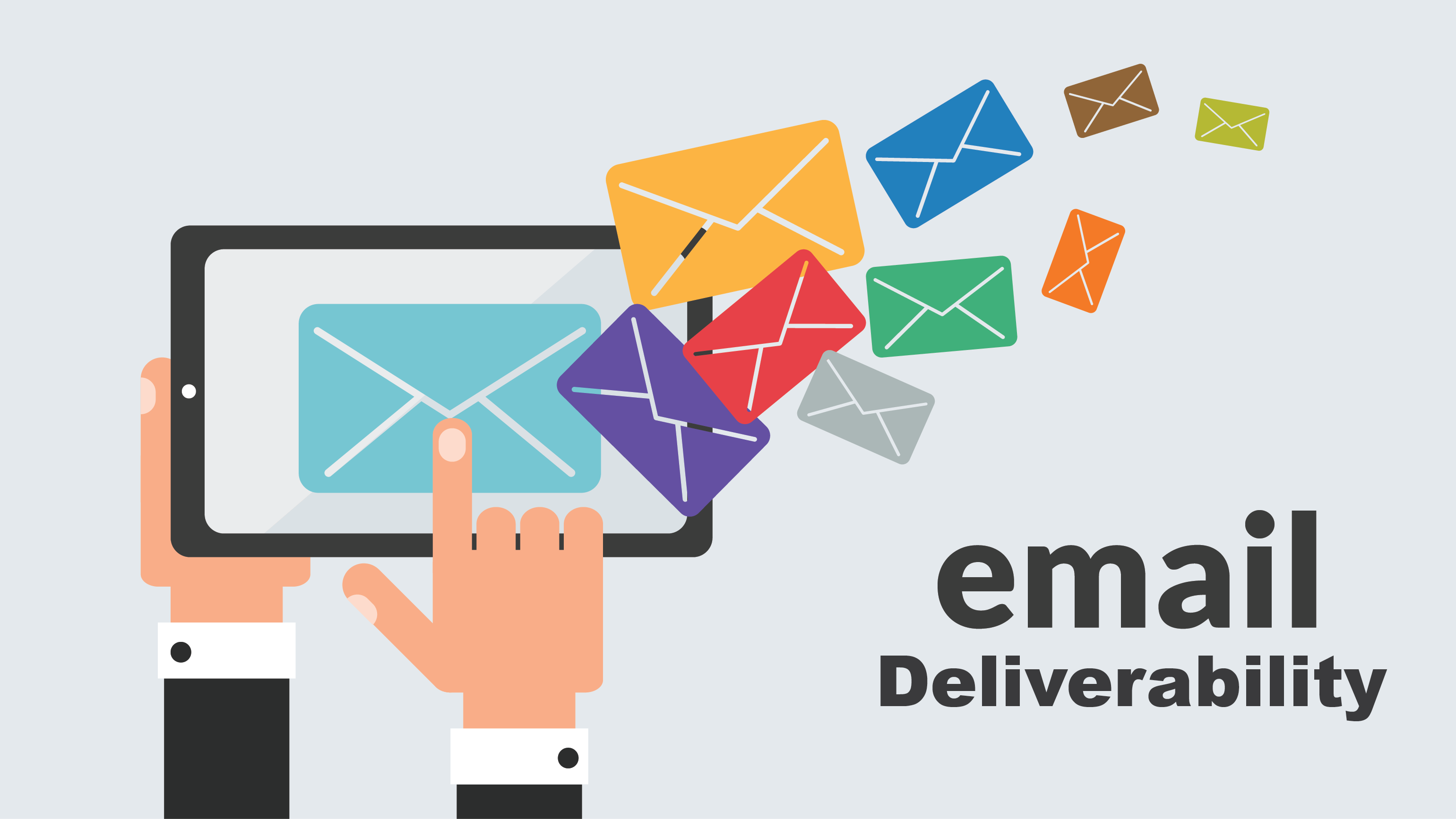
For example, if someone abandons a shopping cart, the platform should launch a follow-up email or SMS within minutes rather than several hours later. Faster responses often lead to better engagement and more conversions.

Integration Ecosystems

Modern marketing relies on connected systems. CRM software, analytics platforms, ecommerce stores, advertising networks, and customer support tools all contribute valuable customer data.

High-performing automation platforms typically offer:

  • Native integrations with major business tools
  • Open APIs for custom connections
  • Reliable data synchronization
  • Centralized reporting capabilities

Workflow Execution Quality

A platform may allow hundreds of workflows, but execution quality matters more than quantity.

The strongest workflow engines can process thousands of actions at the same time without delays. This becomes especially important for businesses operating across multiple brands, locations, or customer segments.

Throughout 2026, AI-assisted workflows, predictive lead scoring, and automated decision-making have become increasingly important. Many businesses now consider these capabilities essential rather than optional.

https://images.openai.com/static-rsc-4/-UFj7dK-JVMlTdf3j2zyG33mosNfomzBJQfE4VLQ1Ppfk3MZM_7WpyYYzeLTsX6fnzbrnTkxug9suAkRX2yuLllle9-1L0WbBXeV-jHRTnFcEX8YWqRE_zgp5oOXdj3eK__v0mgoTf831jvWS4uyvavk3gfWisFPCkJMVLH_NvHfHhYUAHJnSX2Jkvg8RvWi?purpose=fullsize

HubSpot: Strong Choice for Growing Businesses

Among modern marketing automation platforms, HubSpot remains one of the most popular options for growing companies because it combines ease of use with strong scalability.

A Unified System Approach

One of HubSpot’s biggest advantages is its unified platform structure. Marketing, sales, customer service, and CRM functions all work together inside the same ecosystem.

Many organizations struggle because customer information is scattered across multiple systems. HubSpot helps solve that problem by keeping customer records, interactions, and reporting in one central location.

This creates a clearer picture of the customer journey and makes collaboration easier across teams.

Scalability for Mid-Market Organizations

As businesses grow, they need more advanced automation capabilities without significantly increasing technical complexity.

HubSpot performs particularly well in areas such as:

  • Multi-step customer journey automation
  • Lead nurturing programs
  • CRM-based segmentation
  • Revenue attribution reporting
  • AI-assisted content and campaign optimization

Practical Business Example

Imagine a software company growing from 20,000 contacts to 500,000 contacts. In many cases, the business can continue using HubSpot throughout that growth period without major operational changes.

Teams can keep using familiar workflows while gaining access to more advanced automation tools as their needs evolve. This balance between simplicity and scalability is one of the main reasons HubSpot continues to rank highly among growing organizations.

Industry experts often view HubSpot as a strong choice for businesses that need room to scale without requiring a large technical team to manage the platform.

https://images.openai.com/static-rsc-4/c_zwpSYa2y2m8GArdanLJ_ZByAieHs4Og5UygORsBYiQTTCxgRPB-UE3lZBGTRNDcgv1wulchYvYVU3rYzPeqTSFR0GbQiP41pO2R7gnoprnq84jQyBsx6Nkww2OJa2AAK2xzwuOpYQl3plEjELUG7WxlTI-Nb-AJSd-XzJQTf4Ou5G9xCFLLinJM8M8Qi7H?purpose=fullsize

Salesforce Marketing Cloud: Enterprise-Scale Automation

For large organizations, Salesforce Marketing Cloud remains one of the most powerful marketing automation ecosystems available today.

Built for Large Data Environments

Salesforce Marketing Cloud was designed to handle massive customer datasets across multiple channels and regions.

Its infrastructure supports:

  • Global customer databases
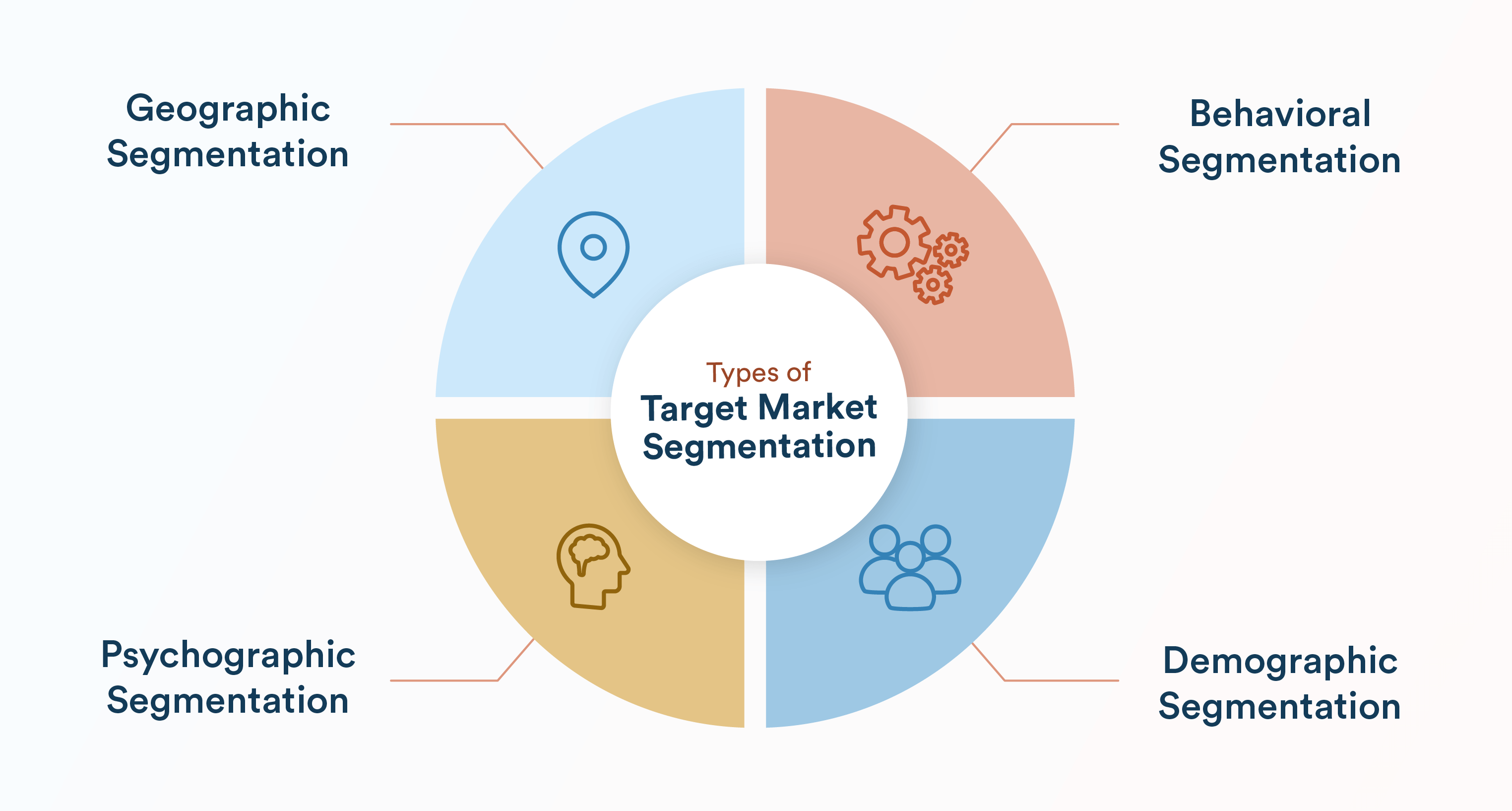
  • Advanced audience segmentation
  • Omnichannel campaign management
  • Enterprise-grade analytics
  • Complex workflow orchestration

For organizations managing millions of customer records, this level of scalability can be essential.

Performance Across Multiple Channels

Large enterprises often communicate with customers through email, websites, mobile apps, SMS, customer service channels, and digital advertising platforms at the same time.

Salesforce performs exceptionally well at coordinating these interactions while maintaining customer context across every touchpoint.

This helps businesses deliver a more consistent and personalized customer experience.

The AI Expansion Strategy

Salesforce has invested heavily in artificial intelligence over the past few years. The company continues expanding its AI-powered automation capabilities, allowing businesses to analyze customer behavior, automate decisions, and improve campaign performance more efficiently.

This reflects a wider industry shift toward intelligent automation systems that do much more than follow predefined rules.

For businesses operating globally with multiple product lines and complex customer journeys, Salesforce offers the scalability and flexibility needed to support enterprise-level marketing operations.

https://images.openai.com/static-rsc-4/FAM3NRbEBNnwZV2qa7tMgSAcmJ0Jx5mAyJb71rkxNfdDlKz2IjxLes6CFcWgUiVQHsFScGNSEgvnJbYyRx6GTaXc7KIyFKnrVsFzcReAQZHJK6UxxIWPxNbedH-PZXRqb4qqHi-XETU12NtA1OghrvHtyHHHw37Xx86kOZSgzV-3VD-7K3qRQGxCVhEZ14LX?purpose=fullsize

Adobe Marketo Engage: Advanced B2B Marketing Operations

When it comes to complex B2B marketing, Adobe Marketo Engage continues to be one of the strongest options available. It’s designed for businesses that manage long sales cycles, multiple decision-makers, and highly detailed customer journeys.

Strength in Lead Management

Many B2B companies spend months nurturing prospects before a sale happens. Marketo helps marketing teams stay connected with potential customers throughout that entire process.

Some of its strongest capabilities include:

  • Lead scoring
  • Account-based marketing (ABM)
  • Multi-touch attribution
  • Campaign orchestration
  • Revenue impact reporting

These features help marketers understand which activities are actually contributing to sales rather than simply generating clicks or leads.

Handling Complex Buyer Journeys

B2B buying decisions rarely happen overnight. A software company, for example, may spend months speaking with executives, department heads, and procurement teams before a contract is signed.

Marketo allows businesses to build sophisticated engagement programs that adapt based on customer actions, interests, and buying signals. This makes it easier to deliver the right message at the right time throughout the sales process.

Enterprise Reliability

Performance becomes even more important when multiple departments or business units share the same marketing platform.

Marketo has built a strong reputation for handling large campaign volumes while offering extensive customization options. Although it often requires more expertise than simpler platforms, organizations with dedicated marketing operations teams usually appreciate the flexibility it provides.

Adobe’s broader investment in AI-driven customer experience technologies also positions Marketo well for the future of intelligent marketing automation.

https://images.openai.com/static-rsc-4/KaufGyUpG_M_wqJqv3B-OsSHT-nm_Mqal7lfEpMoi-IH3MNeO36smBfb312OAEo-OjmiEmcHv1Ms2gRZennuHa9DiZrGIACDPNdCYYwu5so61QUzs9XCNFjhyYudM36AQSWo1LwrwOWFCju0Bqr2Y7_KL4U4YW73LMoU3TR45naGe6vfZgFKjI9EZ-G-cE3w?purpose=fullsize

Emerging Platforms Challenging Traditional Leaders

While large enterprise platforms often dominate industry conversations, several newer solutions have gained significant attention by focusing on specific business needs and offering simpler implementation.

The Rise of Specialized Automation Platforms

Platforms such as Klaviyo, ActiveCampaign, and Brevo have grown rapidly by solving practical challenges for small and mid-sized businesses.

Each platform has its own strengths:

  • Klaviyo focuses heavily on ecommerce growth and customer retention.
  • ActiveCampaign is known for flexible automation workflows and CRM integration.
  • Brevo stands out for affordability and ease of use.

Instead of trying to be everything for everyone, these platforms focus on solving specific business problems effectively.

No-Code and Low-Code Expansion

One of the biggest trends in 2026 is the rise of no-code and low-code automation.

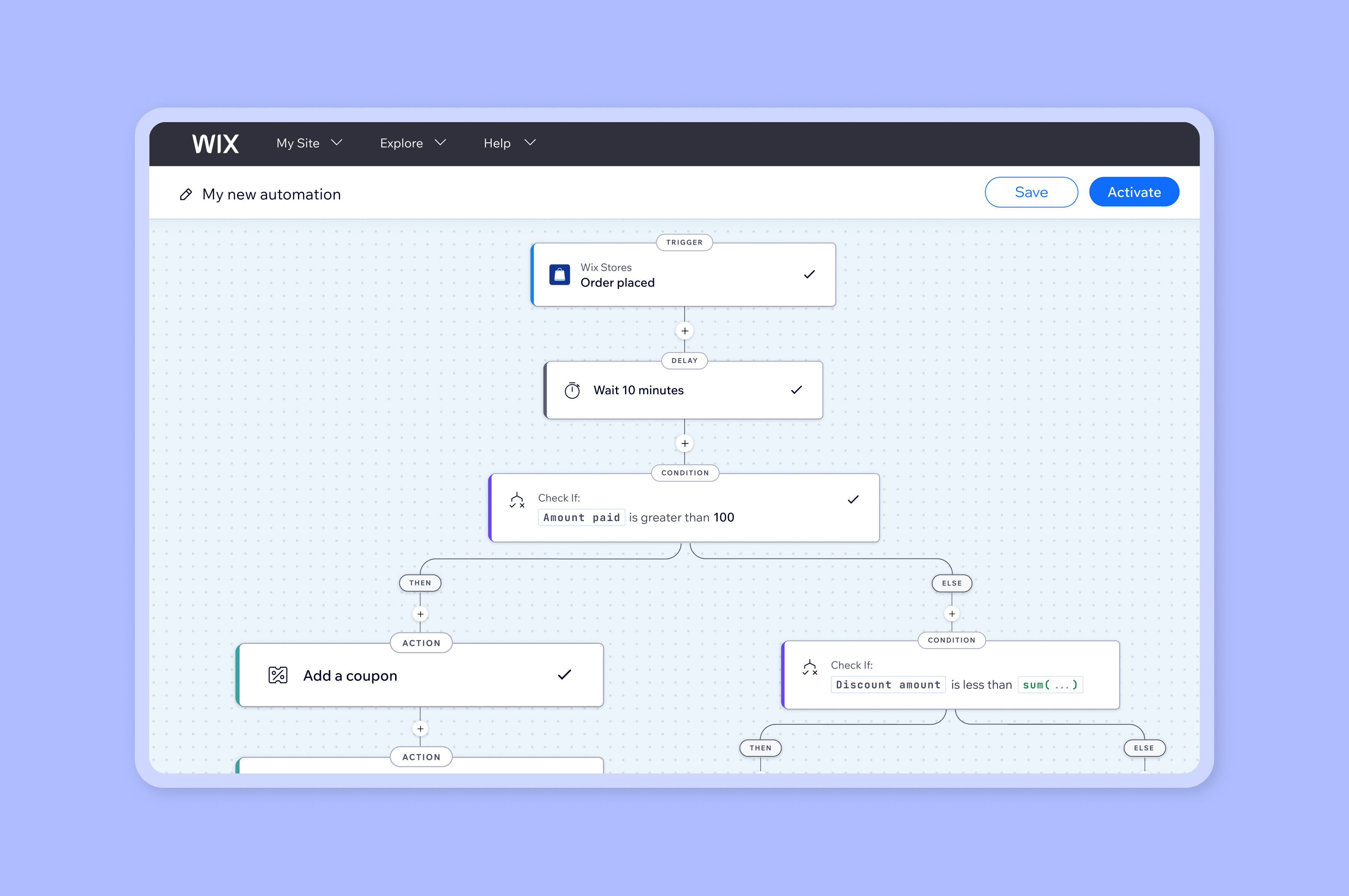
Marketing teams increasingly want to build workflows without depending on developers for every change. Modern automation platforms make this possible through visual workflow builders and drag-and-drop interfaces.

This allows businesses to launch campaigns faster and adapt more quickly when customer behavior changes.

Why These Platforms Matter

Smaller organizations often care more about speed, simplicity, and affordability than enterprise-level complexity.

Emerging platforms provide strong automation capabilities while keeping setup and day-to-day management relatively straightforward. For many businesses, that creates a better balance between scalability and operational efficiency.

https://images.openai.com/static-rsc-4/bV9TFAOIpqIvv14UiivXOoprEttNwtBu0WT0QlTqOEHqs_B-2gEmdtLF4jrvFD-Gh2wee1ACo9mSZunWRmhc8TE5n45EW2uVN8ji4oTMUkawEOtTbi3Jp_AyNN6lNHLbKk39CHcRiXe4X5K2yzy3tA1S8eAa6-dYq1ADjgSM5G4hBJlnMkEjo9nl7ZiS3aw6?purpose=fullsize

AI, Automation, and the Shift Toward Intelligent Campaigns

Marketing automation is moving far beyond scheduled emails and rule-based workflows. The industry is rapidly shifting toward intelligent systems that can learn, predict, and make decisions automatically.

From Rules to Predictions

Traditional automation relied on fixed rules created by marketers.

For example:

“If a customer opens an email, send a follow-up message.”

Today’s platforms go much further by using machine learning to identify patterns and predict future behavior.

Common examples include:

  • Predictive lead scoring
  • Dynamic audience segmentation
  • Personalized content recommendations
  • Automated send-time optimization
  • Customer churn prediction

These capabilities allow marketers to spend less time analyzing data and more time focusing on strategy and creativity.

The Emergence of AI Agents

Industry experts are increasingly discussing autonomous AI agents that can coordinate marketing activities with limited human involvement.

Rather than simply executing tasks, these systems can evaluate campaign performance, identify opportunities, and adjust workflows automatically.

As AI technology improves, many businesses expect marketing platforms to become more proactive rather than simply responding to predefined instructions.

Balancing Automation and Oversight

Even as AI becomes more powerful, human oversight remains essential.

Successful organizations use automation to improve efficiency while keeping people responsible for brand messaging, customer relationships, and strategic decision-making.

The strongest platforms in 2026 combine automation speed with transparency, reporting, and control. That balance helps businesses improve performance while reducing operational risk.

https://images.openai.com/static-rsc-4/U0gN9Ne2j9cNeLk-LzgRHKhFR23uPOymG0M-byuC56PvMwK0T8x8A7WPW95GdLAqdV6U4pJiGwQjc9mK2U3AhUMCk91V1HoydFPZgsHsUINpTTmM5eQgIXgrR2m0sV21CM9xWWUbi6BeM2wb2ukKjZ3WzyDuZujnIZPz4okOrxFTpmTD5eAOCl6JzTUNCXJ_?purpose=fullsize

How to Choose the Right Platform for Long-Term Growth

Selecting a marketing automation platform isn’t just about solving today’s problems. It’s about making sure the system can support future growth as well.

Evaluate Business Trajectory

A company planning aggressive expansion should think beyond its current requirements.

Before choosing a platform, ask questions such as:

  • How many contacts are likely to exist in three years?
  • Which marketing channels will need automation?
  • Will multiple teams or departments use the platform?
  • How important are AI capabilities?
  • What level of reporting and analytics will be required?

Thinking ahead can prevent costly platform changes later.

Consider Total Cost of Ownership

Many businesses focus only on subscription pricing, but software costs go much deeper than monthly fees.

It’s important to evaluate:

  • Training requirements
  • Integration expenses
  • Implementation costs
  • Ongoing administration
  • Future expansion costs

A cheaper platform today may become more expensive in the long run if it cannot scale effectively.

Match Platform Strengths to Business Goals

Different platforms excel in different situations.

A fast-growing ecommerce business may benefit most from Klaviyo. A mid-market B2B company may find HubSpot a better fit. Large enterprises with global operations often require Salesforce or Marketo.

The best platform isn’t necessarily the one with the most features. It’s the one that aligns with your business goals, resources, and long-term growth plans.

https://images.openai.com/static-rsc-4/f8uk7sFS3fUzMfgkJX12ih-qE5noqHhUXoFumb4GJLj3bpCK7rYC3n9vFYEgAO3AaL-eKXfQfFSVkLgLgBXtMCSaTz2kKNj228ZYtOEie5x7IRDfKJ513ruPKZkkHkSQuEfDmP4uz2T3iP8ftgHkO91XK0bLuCAkLsxlJjhCpnMkO-bwEFG3jsdE3R9V9rRl?purpose=fullsize

Conclusion

Marketing automation platforms have evolved into critical business systems that directly influence customer experience, revenue growth, and operational efficiency. As companies manage larger customer databases, more communication channels, and increasingly sophisticated customer journeys, scalability has become just as important as feature depth.

HubSpot remains a strong choice for growing businesses that value simplicity and a unified ecosystem. Salesforce Marketing Cloud continues to lead in enterprise-scale automation, while Adobe Marketo Engage stands out in complex B2B environments. Meanwhile, newer platforms such as Klaviyo, ActiveCampaign, and Brevo provide compelling alternatives for organizations with more specialized needs.

The future of marketing automation will be shaped by artificial intelligence, predictive analytics, and autonomous workflow management. Businesses that invest in scalable and adaptable platforms today will be in a much stronger position to meet tomorrow’s customer expectations.

The most successful organizations won’t focus only on automation itself. They’ll focus on building reliable systems that can continue delivering value as technology, customer behavior, and market demands evolve

Tags:

Adobe Marketo Engage review for B2B marketingAI driven customer engagement platformsAI powered marketing automation platformsbest CRM and marketing automation platformsbest ecommerce marketing automation softwarebest marketing automation platforms in 2026customer data platform and marketing automation toolscustomer journey automation tools for enterprisesenterprise marketing automation solutionsfuture of marketing automation and artificial intelligencehow to choose the best marketing automation platformHubSpot vs Salesforce Marketing Cloud comparisonintelligent marketing campaign automation softwaremarketing automation platforms for business growthmarketing automation software comparison guideno code marketing automation toolsomnichannel campaign management softwarepredictive analytics in digital marketingscalable marketing automation software for growing businessestop marketing technology trends in 2026
Author

farfesh.live

Follow Me
Other Articles
Previous

Hosting Platforms Designed for Bloggers Focused on Growth and Performance

Next

The Ultimate Guide to AI Coding Assistants for Modern Developers

No Comment! Be the first one.

Leave a Reply Cancel reply

Your email address will not be published. Required fields are marked *

Copyright 2026 — FarFeshplus. All rights reserved. Blogsy WordPress Theme