The Best CRM Software for Growing Businesses: Reviews, Features and Value Compared

Growing a business becomes harder when customer information is spread across spreadsheets, email inboxes, chat apps, and notebooks. Teams lose track of follow-ups, sales opportunities slip away, and customer support becomes inconsistent. A Customer Relationship Management (CRM) system solves this problem by bringing customer data, communication, sales activities, and automation into one place.

Today’s CRM software does much more than store contacts. Modern platforms use AI to summarize conversations, predict sales opportunities, automate repetitive work, and help teams make better decisions. Gartner notes that AI-powered sales automation and workflow intelligence are becoming standard features rather than premium extras.

This guide compares the leading CRM platforms for growing businesses based on real-world usability, pricing, automation, integrations, scalability, customer support, and overall value. Instead of focusing only on feature lists, we’ll look at which businesses each CRM actually fits best and where each one falls short.

Why Growing Businesses Need a CRM in 2026

Many companies wait too long before adopting a CRM. At first, spreadsheets seem enough. Then sales increase, new employees join, and customer conversations happen across multiple channels. That’s when simple tracking starts breaking down.

A CRM helps businesses organize customer information while creating repeatable sales processes. Every salesperson sees the same customer history. Marketing knows which campaigns generate qualified leads. Customer support can resolve issues faster because every interaction is recorded.

Modern CRM platforms also reduce manual work through automation.

Some common benefits include:

  • Better lead tracking from first contact to sale
  • Automated follow-up emails and reminders
  • Sales forecasting using historical data
  • AI-generated meeting summaries
  • Customer service history in one place
  • Integration with email, accounting, and marketing tools

According to Gartner, today’s leading CRM platforms increasingly combine sales automation, AI recommendations, workflow automation, and customer engagement into a single platform rather than separate tools.

A practical example illustrates the difference.

Imagine a small digital marketing agency with five sales representatives. Before using a CRM, each salesperson tracked leads differently. Some used Excel, others relied on email folders, while follow-up reminders were often forgotten.

After moving to a CRM, every inquiry automatically entered the sales pipeline, reminders were scheduled automatically, and management could instantly see which deals needed attention. The result wasn’t just better organization—it created a more predictable sales process.

How We Evaluated the Best CRM Software

Not every CRM works for every company. Some platforms offer deep customization but require dedicated administrators. Others focus on simplicity and quick setup.

To keep this comparison practical, we evaluated each CRM using the criteria that matter most to growing businesses.

Evaluation Area Why It Matters
Ease of use Faster team adoption and lower training costs
Pricing Long-term affordability as the team grows
Sales automation Saves time by reducing repetitive work
AI capabilities Improves productivity with smart insights
Integrations Connects with existing business tools
Reporting Helps managers make informed decisions
Scalability Supports business growth without switching platforms

We also considered independent software reviews and industry rankings. G2 consistently ranks platforms like Salesforce Sales Cloud, HubSpot Sales Hub, ActiveCampaign, ClickUp, and Close among its highest-rated CRM systems based on user reviews.

Recent industry reviews also show that businesses are paying closer attention to AI capabilities, implementation costs, onboarding experience, and long-term scalability rather than simply comparing feature counts.

From practical experience, one lesson appears repeatedly across businesses of different sizes: the easiest CRM to use often delivers better results than the one with the longest feature list. A platform that employees actually use every day creates more value than powerful software that few people understand.

Salesforce CRM Review: Best for Enterprise-Ready Growth

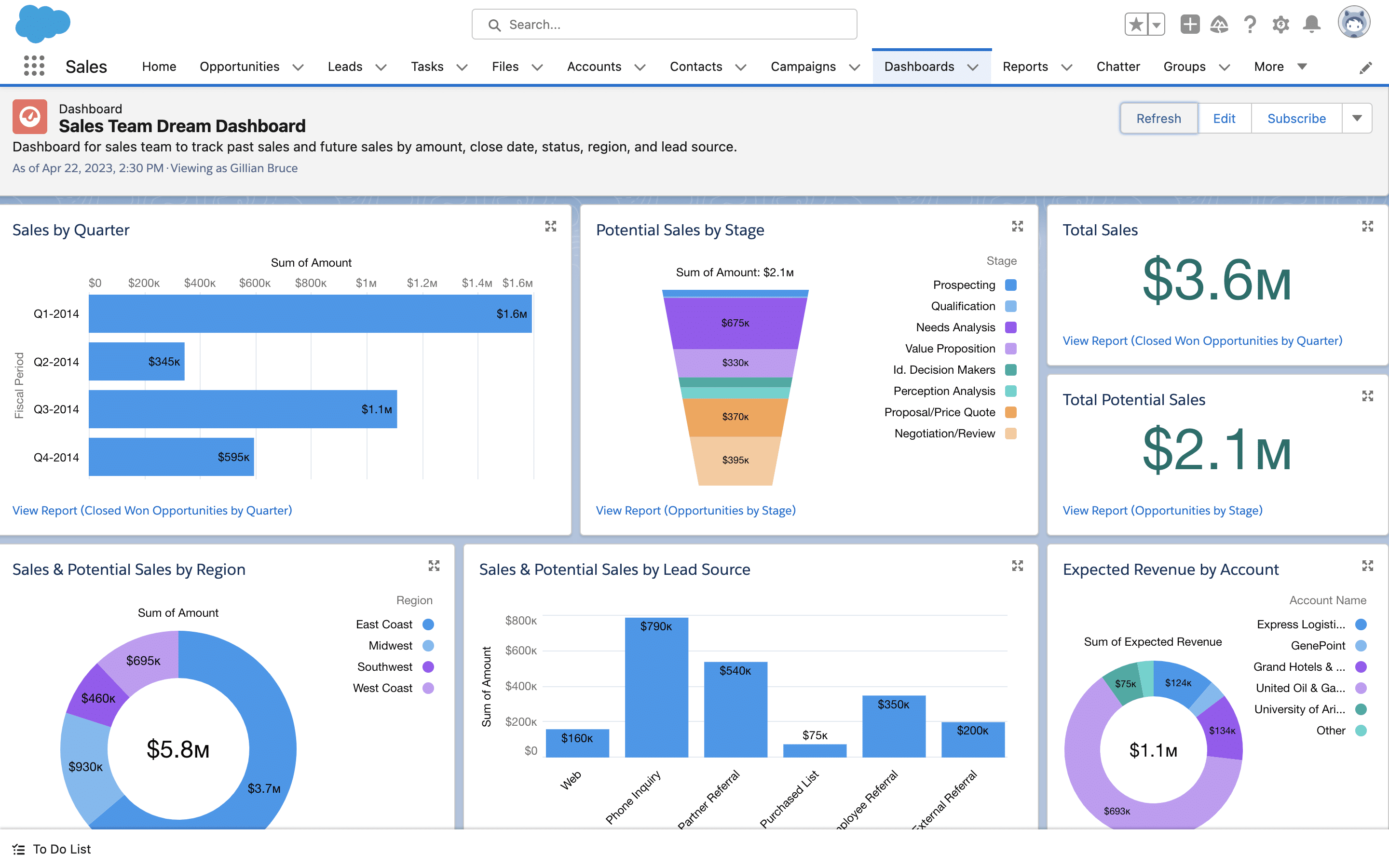
Salesforce remains the largest CRM provider globally and continues to lead the enterprise market. Its strength comes from flexibility. Businesses can start with core sales features and gradually expand into customer service, marketing automation, analytics, AI assistants, and industry-specific applications.

Recent market estimates continue to place Salesforce at roughly one-fifth of the global CRM market, ahead of every major competitor.

One of Salesforce’s biggest advantages is its growing AI ecosystem. Features like Einstein AI and Agentforce help teams generate summaries, prioritize leads, recommend next actions, and automate workflows. The company continues investing heavily in AI despite increased competition across enterprise software.

Salesforce performs especially well for businesses that expect rapid growth because the platform can support thousands of users without requiring a complete migration later.

Strengths

  • Extremely powerful automation
  • Large marketplace of third-party integrations
  • Excellent reporting and dashboards
  • Highly customizable workflows
  • Strong AI capabilities
  • Scales from mid-sized companies to global enterprises

Limitations

  • Higher learning curve than many competitors
  • Costs increase as advanced features are added
  • Initial implementation often requires planning or outside expertise

A manufacturing company, for example, might begin with Sales Cloud for opportunity management. As the company expands internationally, it can later add Service Cloud for customer support, Marketing Cloud for campaigns, and AI-powered forecasting without replacing its CRM.

For organizations expecting steady expansion over several years, that flexibility can justify the higher investment.

HubSpot CRM Review: Best All-in-One Platform for Marketing and Sales

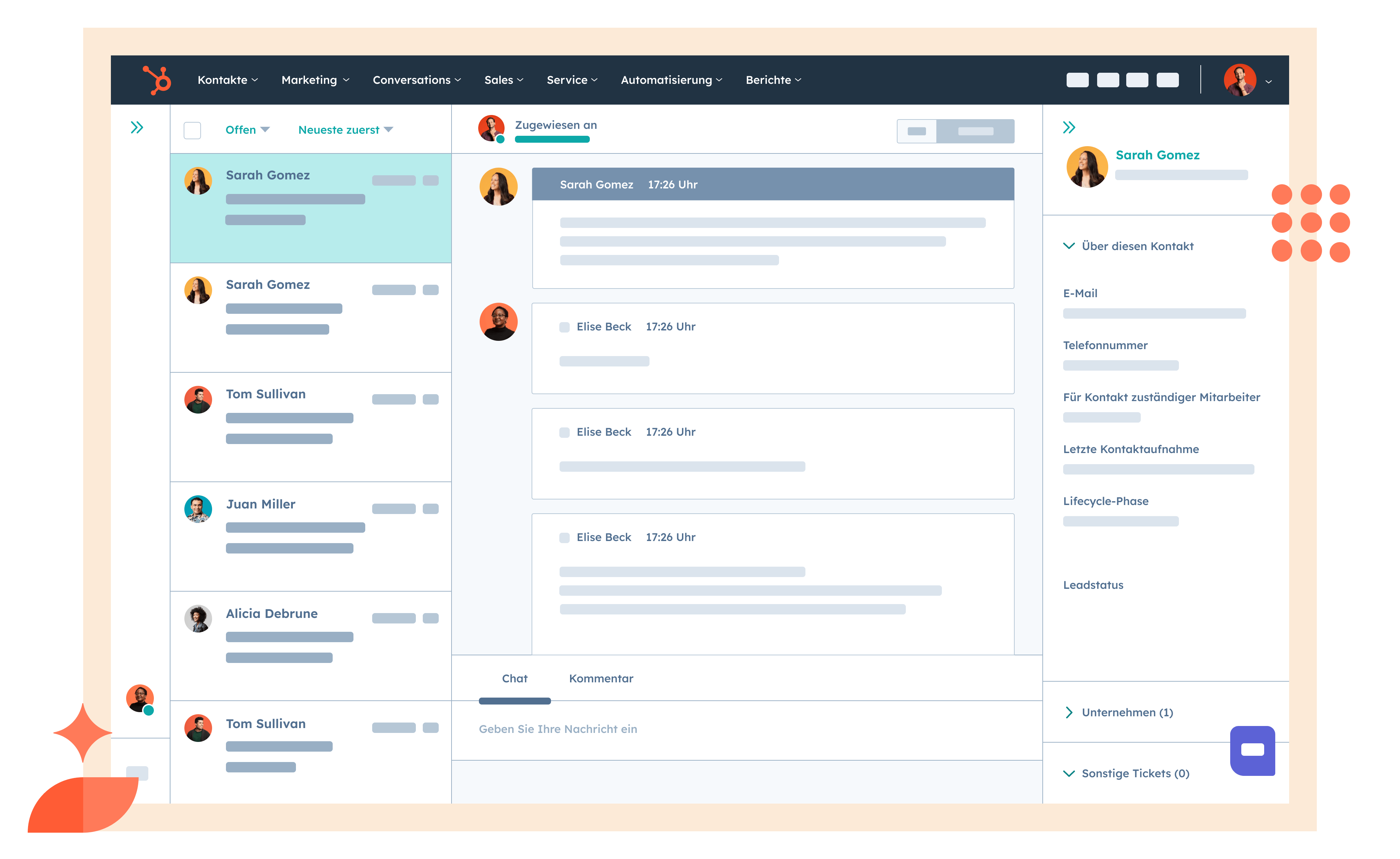
One reason businesses outgrow their first CRM is that they eventually need more than contact management. Marketing, sales, customer service, and reporting often end up spread across several disconnected tools. HubSpot takes a different approach by bringing these functions together on one platform.

It has earned a strong reputation among startups, agencies, SaaS companies, and growing businesses because the free CRM is genuinely useful rather than just a trial. Companies can start without a major investment and add paid features only when they need advanced automation or reporting.

Recent industry comparisons from Forbes Advisor rank HubSpot among the top CRM platforms for marketing, highlighting its AI-powered campaign creation and automation features.

A major advantage is how naturally the different hubs work together. A salesperson can instantly see which marketing emails a lead opened, what pages they visited, and which forms they completed before making the first call.

What HubSpot does well

  • Excellent free CRM for small teams
  • Simple interface with minimal learning curve
  • Powerful email marketing and automation
  • AI assistance for content creation and sales tasks
  • Strong reporting dashboards
  • Large marketplace of integrations

The platform also performs well when businesses want one system instead of managing multiple subscriptions for marketing automation, customer support, sales tracking, and content management.

A practical example is a software startup generating leads through blog articles. Visitors download an ebook, receive automated email sequences, schedule a product demo, and become customers—all without leaving the HubSpot ecosystem. Sales representatives receive notifications whenever a qualified lead shows buying intent, making follow-ups much more timely.

The main limitation is pricing. While the free version is generous, advanced features become significantly more expensive as contacts grow or multiple business hubs are added. Companies should estimate long-term costs before committing.

For businesses where marketing drives growth, however, HubSpot remains one of the strongest all-in-one choices available.

Zoho CRM Review: Outstanding Value Without Sacrificing Features

Many CRM comparisons focus only on premium enterprise platforms, but growing businesses often care just as much about affordability as features. This is where Zoho CRM consistently stands out.

Zoho has spent years expanding its business software ecosystem. Today, CRM connects naturally with accounting, help desk, email marketing, projects, analytics, inventory, and finance applications, making it attractive for businesses that prefer one software ecosystem instead of many different vendors.

Recent reviews estimate that Zoho CRM serves more than 250,000 businesses worldwide while continuing to strengthen its AI assistant, Zia, automation capabilities, and third-party integrations.

One of its biggest strengths is value for money.

Instead of paying enterprise-level prices, smaller companies receive features such as:

  • Multiple sales pipelines
  • Workflow automation
  • Lead scoring
  • Custom dashboards
  • Sales forecasting
  • AI-powered insights
  • Extensive integration options

Businesses already using other Zoho products gain even more value because data moves easily between applications. For example, when a sales opportunity closes inside Zoho CRM, accounting can immediately generate invoices through Zoho Books while customer support begins onboarding using Zoho Desk.

This creates fewer manual steps and reduces duplicate work.

Another practical advantage is customization. Companies can tailor modules, layouts, workflows, and automation rules without purchasing expensive enterprise plans.

The biggest drawback is that first-time users may need extra time to learn the interface. Businesses wanting deep customization may also spend time configuring workflows before everything feels polished.

Even so, few CRM platforms offer such a broad feature set at similar pricing. Independent analysts continue to describe Zoho CRM as one of the strongest value-focused solutions for small and medium-sized businesses.

Pipedrive CRM Review: Built for Sales Teams That Want Simplicity

Not every company needs an all-in-one business platform. Many simply want a CRM that helps salespeople close more deals without overwhelming them with unnecessary features.

That is exactly where Pipedrive excels.

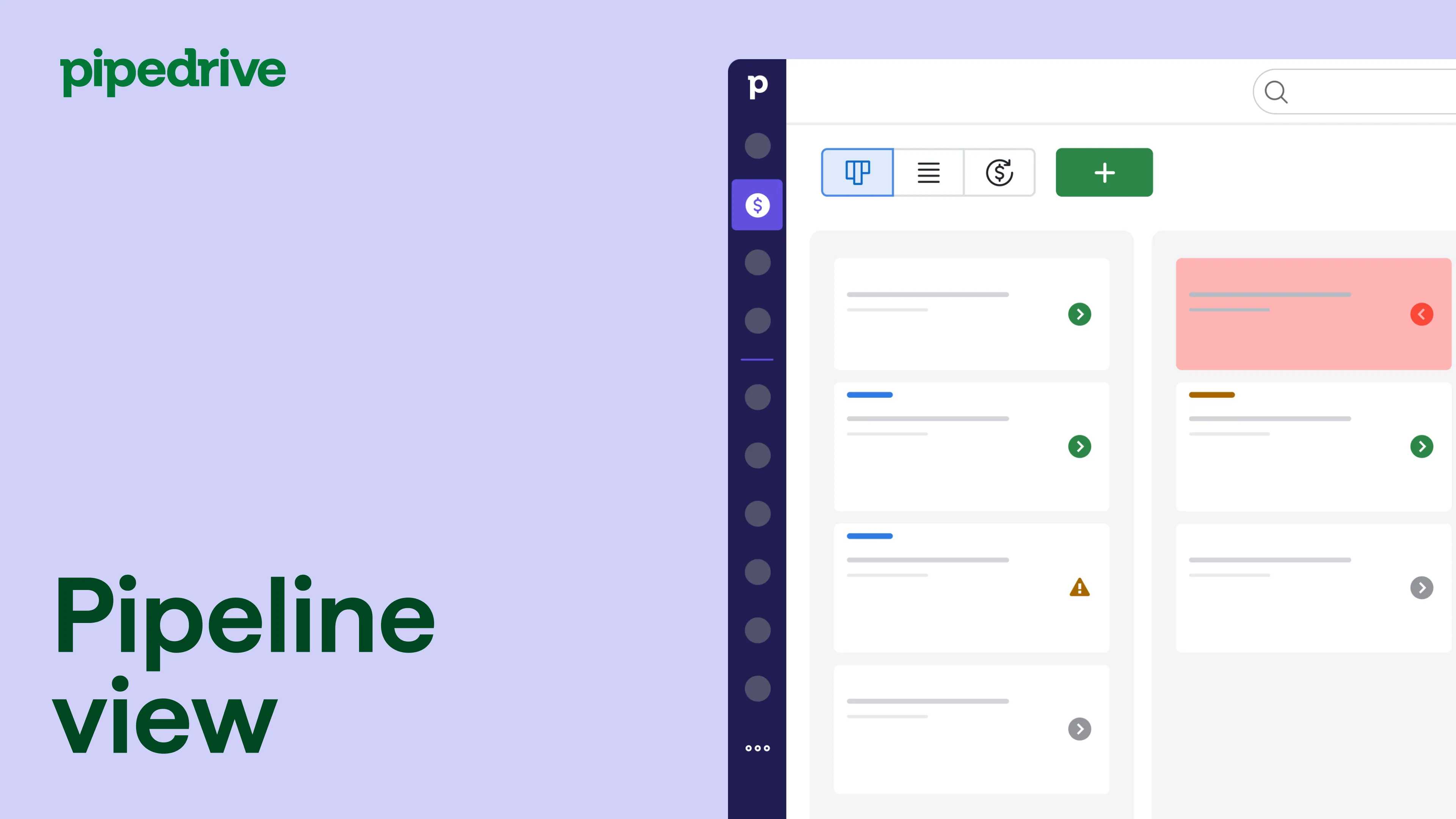
Instead of trying to replace every business application, Pipedrive focuses almost entirely on sales pipeline management. The interface is clean, visual, and easy to understand, allowing representatives to drag deals from one stage to another while managers monitor progress in real time.

Independent reviewers consistently praise Pipedrive for its usability, customizable pipelines, AI-powered sales suggestions, and strong integration library.

A typical sales day inside Pipedrive is refreshingly simple. Representatives begin by reviewing their pipeline, checking AI recommendations for priority deals, sending follow-up emails, scheduling calls, and updating opportunities—all from a single dashboard.

Unlike many enterprise CRMs, very little training is required before new employees become productive.

Some features businesses appreciate include:

  • Visual drag-and-drop pipelines
  • AI deal recommendations
  • Workflow automation
  • Email synchronization
  • Activity reminders
  • More than 400 third-party integrations
  • Mobile apps with full pipeline access

A real-world example is a commercial real estate agency handling dozens of active negotiations. Agents can instantly see which properties are awaiting offers, contracts, inspections, or closing documents without searching through spreadsheets or email threads.

The biggest compromise is marketing automation. Businesses needing advanced email campaigns, landing pages, or customer journey automation will usually find HubSpot or Zoho better suited.

However, companies where the sales pipeline is the center of daily operations often find that Pipedrive’s focused design leads to faster adoption and better productivity. Recent reviews continue to rank it among the easiest CRM platforms for small and midsize sales teams.

Freshsales Review: Best Budget CRM with Modern AI Features

Growing businesses often face a common challenge: they need more features than a basic CRM provides but cannot justify the cost of enterprise software. Freshsales, part of the Freshworks ecosystem, fills that gap by offering a balanced mix of affordability, automation, and AI-powered tools.

Freshsales is designed to help sales teams spend less time on repetitive tasks and more time building customer relationships. Its built-in AI assistant, Freddy AI, can score leads, recommend follow-up actions, summarize conversations, and highlight deals that may require attention. Unlike some competitors, many core features are available without requiring complex setup.

Industry reviewers regularly recognize Freshsales for its intuitive interface, competitive pricing, and strong integration with customer support and communication tools. Businesses already using other Freshworks products benefit from a unified platform for sales and customer service.

One practical example is a regional IT services company with a small sales team. Every inquiry from the website automatically enters the CRM, receives an initial response, and is assigned to the right salesperson. Freddy AI highlights high-priority leads based on engagement, helping the team focus on opportunities that are most likely to convert.

Freshsales also includes useful capabilities such as built-in phone features, email tracking, workflow automation, visual sales pipelines, and customizable reports. These features reduce the need for several third-party tools, making it especially attractive for small and medium-sized businesses.

Its main limitation is that very large enterprises with highly specialized workflows may eventually outgrow the platform. For most growing businesses, however, Freshsales provides an excellent balance between functionality and affordability while remaining easy to manage.

Which CRM Offers the Best Overall Value?

Choosing the right CRM is rarely about finding the platform with the most features. The best choice depends on your company’s size, budget, growth plans, and daily workflow.

The table below summarizes where each CRM stands out.

CRM Best For Key Strength Potential Drawback
Salesforce Large and fast-growing businesses Deep customization, enterprise scalability, advanced AI Higher pricing and steeper learning curve
HubSpot Marketing-driven businesses Excellent all-in-one platform with a strong free plan Costs rise as advanced features are added
Zoho CRM Small and medium businesses Outstanding value, broad feature set, large app ecosystem Initial setup can take time
Pipedrive Sales-focused teams Visual pipeline management and ease of use Limited marketing automation
Freshsales Budget-conscious growing businesses Affordable pricing with AI-powered sales features Less suitable for highly complex enterprises

There is no single winner for every business, but some clear patterns emerge.

If your company expects rapid expansion, multiple departments, and advanced customization, Salesforce remains one of the strongest long-term investments.

If marketing and sales work closely together, HubSpot offers one of the smoothest integrated experiences available today.

Businesses looking for the best balance between price and functionality often find Zoho CRM difficult to beat. Its combination of automation, customization, and ecosystem integration delivers exceptional value.

Sales organizations that want a clean, easy-to-learn interface usually appreciate Pipedrive’s focus on pipeline management, while Freshsales is an excellent choice for businesses seeking modern AI capabilities without enterprise-level costs.

A useful way to decide is to ask three practical questions:

  • How many people will use the CRM within the next three years?
  • Which business process wastes the most time today?
  • Will you need advanced marketing, customer support, or mainly sales management?

The answers often point naturally toward the right platform.

Conclusion

Choosing a CRM is not simply a software purchase—it is an investment in how your business manages relationships, improves productivity, and supports long-term growth. The right platform should simplify work rather than add complexity, helping teams stay organized, respond faster, and make better decisions.

Salesforce remains the strongest option for organizations that require enterprise-level scalability and extensive customization. HubSpot is an excellent fit for businesses that want marketing, sales, and customer service in one connected platform. Zoho CRM delivers exceptional value for companies seeking powerful features at a reasonable cost.

Pipedrive continues to stand out for sales teams that value simplicity and pipeline visibility, while Freshsales offers an impressive combination of affordability and AI-driven productivity.

Before making a final decision, take advantage of free trials or demo accounts. Involve the employees who will use the CRM every day, test your typical sales process, and evaluate how well the software integrates with your existing tools. A platform that fits your team’s workflow is far more valuable than one with features you may never use.

As CRM technology continues to evolve with AI, automation, and deeper integrations, businesses that adopt the right solution today will be better positioned to build stronger customer relationships and grow with confidence in the years ahead.