AI-Powered Cybersecurity: How Intelligent Defense Systems Are Evolving in 2026
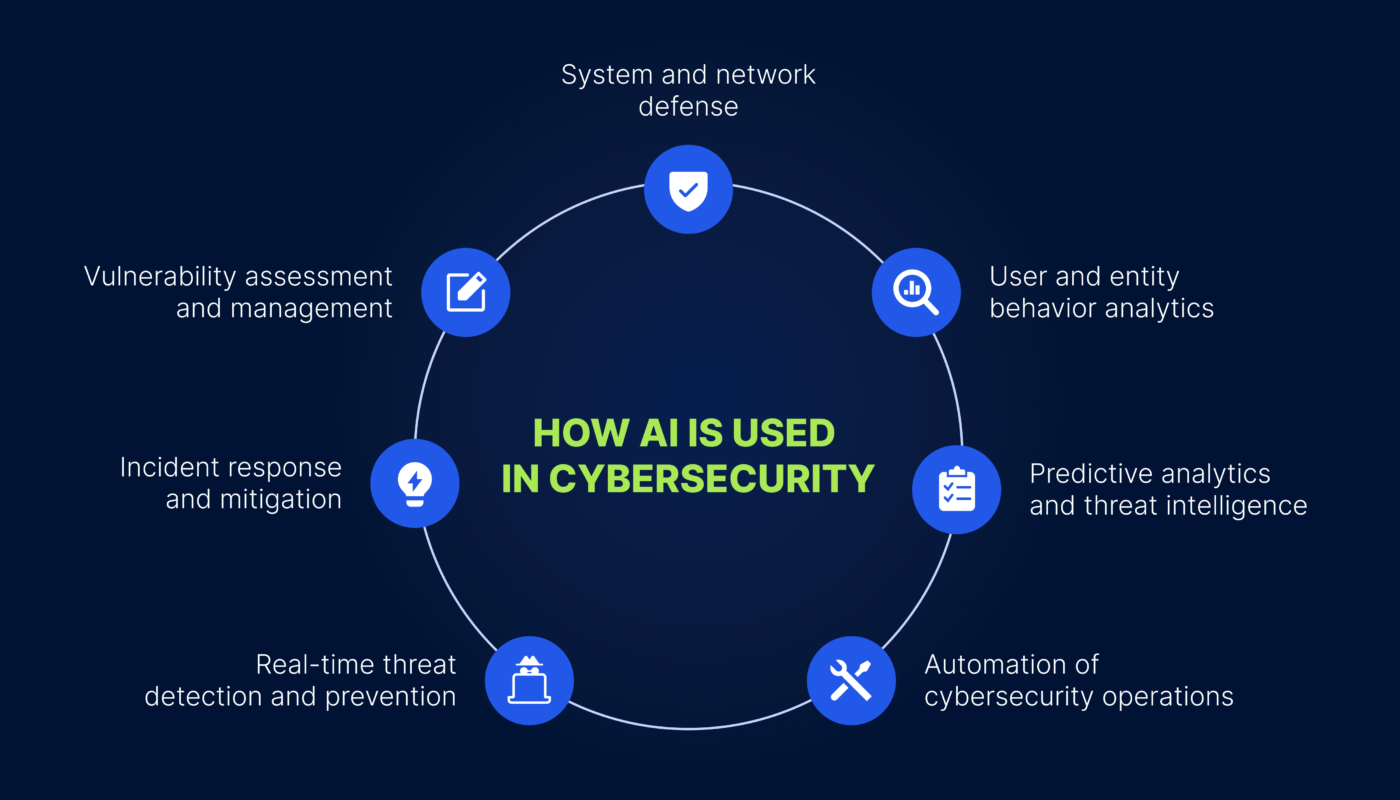
Finding a threat is only the first step. The real challenge starts after that. Security teams need to act quickly before attackers can move deeper into the network steal data or disrupt business operations.
In 2026 AI-powered incident response platforms have become a key part of modern cybersecurity. Businesses are no longer relying only on manual investigations because cyberattacks move too fast for traditional response methods.
In the past security analysts often had to review alerts collect evidence and decide what action should be taken. Depending on the complexity of the incident this process could take hours or even days. During that time attackers could continue moving through systems unnoticed.
AI helps remove much of this delay by automating many routine security tasks and helping teams react faster.
Smarter Incident Response with AI
Modern Security Orchestration Automation and Response (SOAR) platforms combine automation with intelligence to help security teams handle threats more efficiently.
Platforms from companies such as Microsoft Sentinel, IBM Security QRadar SOAR and Palo Alto Networks Cortex XSOAR can analyze alerts connect related events and determine which incidents need immediate attention.
Once a threat is confirmed these systems can automatically:
- Isolate infected devices
- Disable compromised accounts
- Block malicious IP addresses
- Restrict suspicious network activity
- Trigger additional security controls
This rapid response helps organizations reduce the impact of attacks before they spread further.
Managing Alert Overload
One of the biggest problems facing security teams today is alert fatigue.
Large organizations often receive thousands of alerts every day. Many of them turn out to be false alarms while others are low-risk events that do not require urgent action.
AI helps solve this problem by automatically filtering alerts and grouping related incidents together.
Instead of reviewing thousands of notifications analysts can focus on a much smaller number of high-priority threats.
This saves time reduces stress and improves the overall effectiveness of security operations.
Faster Response Means Less Damage
The sooner a threat is contained the less damage it can cause.
By combining intelligent analysis with automated actions organizations can:
- Reduce response times
- Limit business disruption
- Lower recovery costs
- Improve security team efficiency
- Strengthen overall cyber resilience
As cyberattacks continue becoming more advanced automated response capabilities are quickly becoming a necessity rather than a luxury.
AI and Identity-Centric Security
Identity has become one of the most important parts of cybersecurity. Employees now work from different locations use multiple devices and access cloud applications throughout the day.
Because of this simply protecting the network is no longer enough. Organizations must constantly verify that the person requesting access is actually who they claim to be.
AI is helping businesses make smarter access decisions by analyzing user behavior in real time.
Beyond Passwords and Traditional Authentication
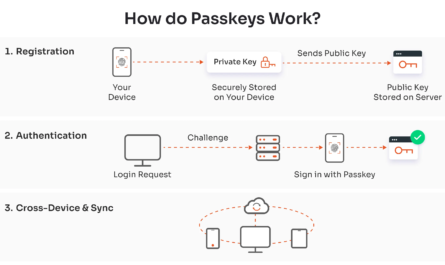
For many years security relied heavily on usernames passwords and basic authentication systems.
While these tools still play an important role attackers have become very skilled at stealing credentials through phishing scams malware and social engineering attacks.
Modern AI-powered identity security platforms look at much more than just a password.
They evaluate factors such as:
- Device characteristics
- Login location
- Access history
- User behavior patterns
- Time of access
- Resource usage activity
This gives organizations a much clearer picture of whether an access request is legitimate.
Detecting Suspicious User Activity
AI is particularly effective at spotting unusual behavior.
For example if an employee who normally logs in from Mumbai suddenly attempts to access sensitive company systems from another country while downloading large amounts of data the system may consider that activity risky.
In response AI can:
- Request additional verification
- Require multi-factor authentication
- Limit access permissions
- Temporarily block access
- Alert security teams for investigation
This allows organizations to stop potential threats before serious damage occurs.
Supporting Zero Trust Security
AI is also helping drive the adoption of the popular Zero Trust security model.
The concept behind Zero Trust is simple. Never automatically trust any user device or application even if it is already inside the network.
The official guidance from National Institute of Standards and Technology (NIST) has helped many organizations build Zero Trust strategies around continuous verification and risk assessment.
AI strengthens this model by continuously evaluating risk rather than making a one-time access decision.
Instead of asking “Did this user log in successfully?” AI asks “Does this activity still look normal right now?”
This ongoing assessment makes it much harder for attackers to use stolen credentials successfully.
Identity Protection Is More Important Than Ever
Cybercriminals continue targeting people because user identities are often easier to compromise than security systems.
Phishing attacks credential theft and social engineering campaigns remain some of the most common attack methods worldwide.
AI-driven identity protection provides an extra layer of defense by continuously monitoring behavior and identifying risks before attackers can gain full access.
For many organizations identity security has become one of the most valuable applications of artificial intelligence in cybersecurity.
Fighting AI-Generated Cyber Threats
While AI is helping security teams defend systems it is also giving attackers powerful new tools.
Cybercriminals are increasingly using generative AI to create more convincing attacks scale their operations and target victims more effectively than ever before.
This has created a new challenge for organizations trying to stay ahead of rapidly evolving threats.
Smarter and More Convincing Phishing Attacks
Phishing emails have improved dramatically over the last few years.
In the past many phishing messages contained obvious spelling mistakes poor grammar and suspicious wording.
Today AI can generate highly realistic emails that closely resemble legitimate messages from:
- Coworkers
- Business executives
- Banks
- Government agencies
- Trusted service providers
Because these messages sound more natural many users find them harder to identify.
This has made phishing one of the biggest cybersecurity concerns in 2026.
AI Is Helping Attackers Automate More Tasks
Cybercriminals are using AI for much more than phishing.
Modern attackers can use AI to:
- Research software vulnerabilities
- Generate malicious code
- Analyze public information
- Create personalized attack campaigns
- Automate reconnaissance activities
Some criminal groups now use AI to build detailed profiles of organizations before launching targeted attacks.
This level of automation allows attackers to operate faster and at a much larger scale.
How Security Teams Are Fighting Back
Security vendors are responding by building AI systems designed specifically to detect AI-generated threats.
Companies such as CrowdStrike, Microsoft Security and Google Cloud Security continue investing heavily in advanced threat detection technologies.
Modern email security platforms analyze:
- Writing style
- Message context
- Metadata
- Sender behavior
- Communication patterns
This helps identify suspicious messages before they reach employees.
The AI Security Arms Race
AI-powered threat intelligence platforms now monitor cyber activity across the world in real time.
These systems can identify emerging attack techniques and share intelligence across security networks much faster than traditional methods.
As a result both attackers and defenders are constantly improving their capabilities.
The battle between offensive AI and defensive AI is becoming one of the defining cybersecurity challenges of the modern era.
Organizations that continue investing in innovation training and intelligent security tools will be in a much stronger position to defend against future threats.
Securing Cloud, Edge, and Connected Environments
Modern businesses no longer operate from a single office network. Today companies run applications across cloud platforms connect hundreds or even thousands of devices and manage data across multiple locations at the same time.
While this flexibility creates new opportunities it also creates new security challenges. Every cloud service connected device and remote endpoint can potentially become a target for attackers.
This is where AI is proving especially valuable. It can analyze huge amounts of data across different environments and identify security issues much faster than manual monitoring ever could.
AI-Powered Cloud Security
Cloud adoption continues to grow as organizations move applications data and workloads away from traditional data centers.
Platforms such as Microsoft Azure, Google Cloud Platform and Amazon Web Services (AWS) help businesses scale quickly but they also introduce additional security responsibilities.
AI-powered cloud security tools can continuously monitor cloud environments and identify problems such as:
- Unauthorized access attempts
- Misconfigured cloud resources
- Suspicious user activity
- Unusual workload behavior
- Potential data exposure risks
Instead of waiting for someone to manually review logs AI can identify issues almost immediately and alert security teams before serious damage occurs.
Protecting Internet of Things (IoT) Devices
Connected devices continue to appear everywhere from factories and hospitals to retail stores and office buildings.
The challenge is that many IoT devices were not designed with strong security controls in mind. They often have limited processing power limited update capabilities and weaker security protections than traditional computers.
AI helps solve this problem by continuously monitoring device behavior.
For example AI systems can detect:
- Unusual communication patterns
- Unexpected device activity
- Suspicious network connections
- Potential device compromise
By identifying abnormal behavior early organizations can stop attacks before they spread across larger networks.
Security at the Edge
Edge computing is becoming increasingly common because businesses want faster processing closer to where data is created.
Instead of sending all information back to centralized systems many organizations now process data locally at the network edge.
This creates additional security requirements because threats must be identified and stopped quickly.
AI helps by making real-time decisions closer to the source. Security platforms can analyze activity immediately without waiting for instructions from centralized systems.
This allows businesses to respond to threats faster while maintaining performance and efficiency.
Unified Visibility Across Complex Environments
One of the biggest challenges facing security teams today is visibility.
Organizations often use multiple cloud providers thousands of endpoints business applications and connected devices.
AI helps bring everything together by creating a unified view of the entire environment.
Instead of monitoring separate systems individually security teams can gain a clearer understanding of what is happening across the organization.
This centralized visibility makes it easier to detect threats investigate incidents and maintain stronger security controls.
The Human-AI Partnership in Cybersecurity
Despite all the excitement around artificial intelligence one thing remains clear. AI is not replacing cybersecurity professionals.
Instead it is changing how security teams work and helping them focus on tasks that require human judgment experience and strategic thinking.
The strongest cybersecurity programs today combine the speed of AI with the expertise of skilled security professionals.
Automating Repetitive Security Work
Security analysts spend a significant amount of time handling repetitive tasks.
These often include:
- Reviewing alerts
- Correlating log data
- Investigating known indicators
- Gathering evidence
- Prioritizing incidents
AI can perform these activities much faster and more consistently than humans.
By automating routine work organizations allow security teams to focus on more important responsibilities such as threat hunting risk assessment and incident management.
This not only improves productivity but also reduces burnout among security professionals.
Human Judgment Still Matters
AI is extremely effective at identifying patterns and spotting anomalies but it does not fully understand business priorities organizational context or complex human situations.
A security platform might flag activity as suspicious but experienced analysts are still needed to determine:
- Whether a threat is genuine
- How serious the risk is
- What response makes the most sense
- How business operations may be affected
Cybersecurity decisions often involve trade-offs that require human judgment.
This is why AI works best as a support tool rather than a complete replacement for security professionals.
Addressing the Cybersecurity Skills Shortage
The cybersecurity industry continues to face a significant workforce shortage.
According to research from organizations such as ISC2, businesses around the world struggle to hire enough qualified security professionals to meet growing demand.
AI helps reduce this pressure by increasing analyst productivity.
Instead of requiring larger teams to handle increasing workloads organizations can use AI to automate many tasks while allowing existing teams to focus on higher-priority responsibilities.
This helps businesses improve security even when skilled talent is difficult to find.
A New Approach to Cybersecurity Training
As AI becomes more common security professionals are developing new skills.
Training now focuses not only on traditional cybersecurity knowledge but also on understanding how AI systems operate and how their recommendations should be interpreted.
Modern analysts increasingly learn how to:
- Work alongside AI tools
- Validate automated findings
- Investigate AI-generated alerts
- Improve AI-driven workflows
- Interpret machine-generated insights
The goal is not to compete with AI but to use it effectively.
Organizations that successfully combine human expertise with intelligent automation often achieve stronger security outcomes than those relying entirely on one approach.
The Future Is Collaboration
For years people debated whether machines would eventually replace human workers.
Cybersecurity is showing that the future is much more collaborative.
AI provides speed scale and automation.
Humans provide experience context creativity and judgment.
When these strengths are combined organizations become far more capable of defending against modern cyber threats than either could achieve alone.
Challenges, Risks, and Ethical Considerations
While AI delivers major security benefits it also introduces new risks that organizations cannot ignore.
Like any technology AI is not perfect. Poor implementation weak oversight or unreliable data can create problems that impact both security and trust.
As businesses continue adopting AI-powered security systems they must also understand the challenges that come with them.
Data Quality Matters
One of the biggest factors affecting AI performance is data quality.
AI systems learn from the information they receive. If that information is incomplete inaccurate or biased the results can be unreliable.
Poor-quality data can lead to:
- Missed threats
- Incorrect risk assessments
- False positive alerts
- Inefficient security operations
Organizations must ensure their AI systems are trained and operated using reliable data sources.
Strong data management practices remain essential even in highly automated environments.
Adversarial Attacks Against AI
Cybercriminals are not only targeting organizations. They are also targeting AI systems themselves.
One growing concern involves adversarial attacks where attackers intentionally feed misleading information into AI models.
The goal is to confuse security systems and reduce their ability to detect threats accurately.
To defend against these tactics organizations must continuously test monitor and improve their AI models.
AI security requires ongoing maintenance rather than a one-time deployment.
Privacy and Regulatory Compliance
AI-powered monitoring tools often analyze large amounts of user activity and behavioral data.
While this can improve threat detection it also raises privacy concerns.
Organizations must balance security requirements with privacy obligations and regulatory compliance.
Frameworks such as GDPR and guidance from authorities such as the National Institute of Standards and Technology (NIST) continue influencing how organizations manage data collection monitoring and security practices.
Maintaining transparency about how information is collected stored and used is becoming increasingly important.
Understanding AI Decisions
As AI becomes more involved in security operations decision-makers need to understand why systems make certain recommendations.
This concept is often referred to as explainability.
If an AI platform flags an employee account as suspicious security teams need enough information to understand the reasoning behind that decision.
Explainability becomes especially important in highly regulated industries such as healthcare finance and government operations.
Organizations need confidence that security decisions are both accurate and defensible.
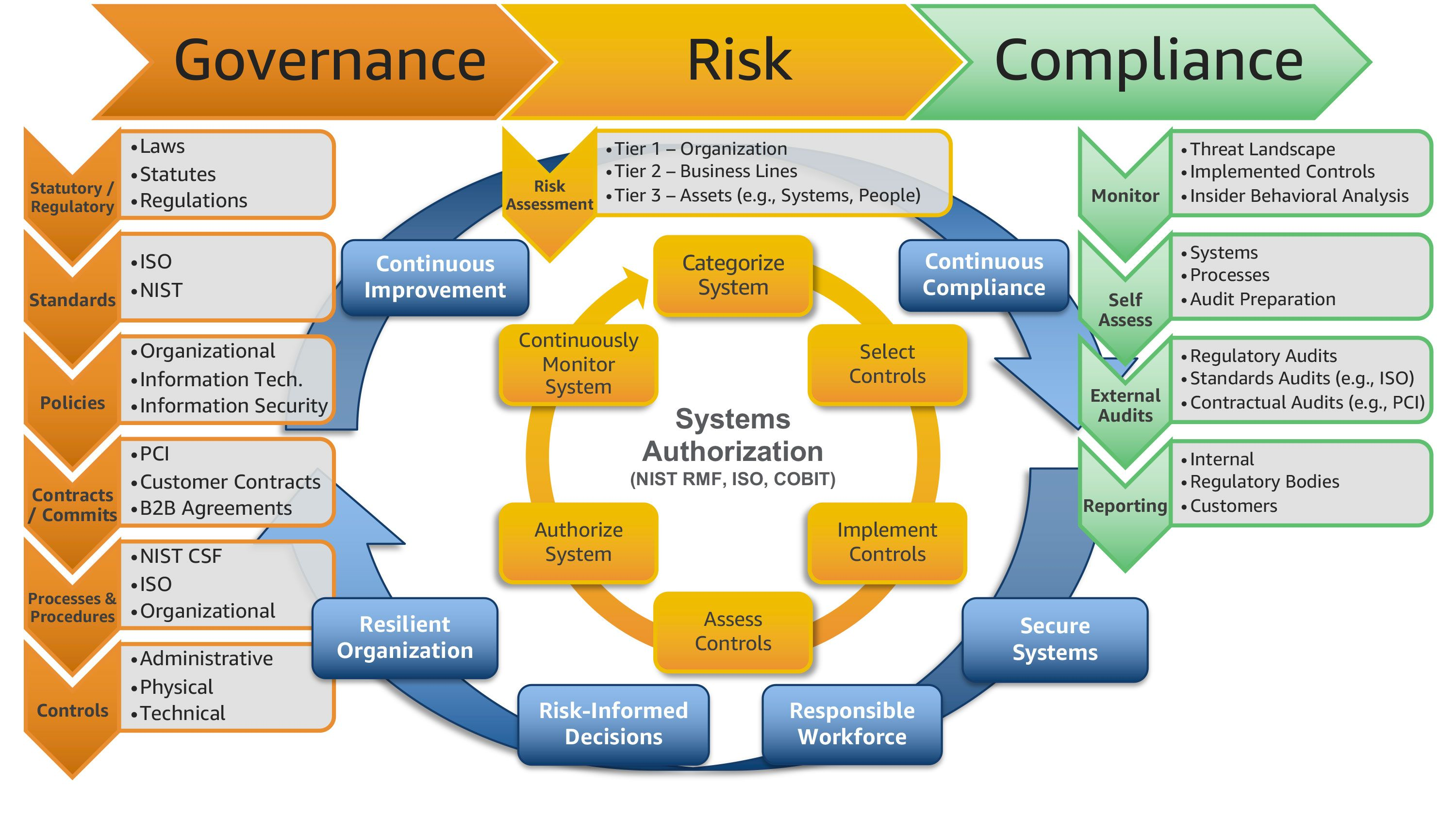
Responsible AI Governance
Strong governance helps organizations gain the benefits of AI while reducing associated risks.
Effective AI governance typically includes:
- Human oversight
- Continuous monitoring
- Security testing
- Compliance reviews
- Ethical guidelines
Businesses that balance innovation with accountability are usually better positioned to build trust while maintaining strong security outcomes.
The Future of Intelligent Cyber Defense
AI-powered cybersecurity has already changed how organizations defend their systems but in many ways we are still at the beginning of this transformation.
Over the next few years security platforms are expected to become smarter more autonomous and far more proactive than the tools businesses use today. Instead of simply reacting to attacks after they happen future security systems will focus on predicting risks and preventing incidents before they occur.
As cyber threats continue to evolve organizations will need security solutions that can move at machine speed while still supporting human decision-making.
Predictive Security Will Become More Common
Traditional security often focuses on detecting attacks that are already underway. Future AI systems will increasingly focus on identifying risks before attackers have a chance to act.
By analyzing threat intelligence vulnerability data system behavior and global attack trends AI will help organizations identify weak points before they become serious security problems.
This approach allows security teams to spend more time preventing incidents instead of constantly reacting to them.
Future predictive security platforms may help organizations:
- Identify vulnerable systems earlier
- Prioritize critical security gaps
- Forecast emerging threats
- Reduce attack exposure
- Strengthen risk management efforts
The goal is simple. Stop problems before they become breaches.
The Rise of Agentic AI in Cybersecurity
One of the most talked-about developments in cybersecurity is the growth of agentic AI.
Unlike traditional automation tools agentic AI systems can perform multiple connected tasks with minimal human involvement.
These systems may be able to:
- Investigate suspicious activity
- Gather supporting evidence
- Correlate security events
- Recommend remediation steps
- Coordinate response actions
Instead of requiring analysts to manually complete each step AI agents can handle much of the investigative process automatically.
Companies including Microsoft Security Copilot and other emerging security platforms are already exploring how AI assistants can improve security operations.
As these technologies mature security teams may spend less time on repetitive investigations and more time on strategy and decision-making.
Smarter Security Operations Centers
Security Operations Centers (SOCs) are expected to become far more efficient as AI capabilities improve.
Today many security teams spend large portions of their day reviewing alerts investigating incidents and responding to threats.
Future AI systems will help automate much of this workload by:
- Prioritizing threats automatically
- Correlating related incidents
- Reducing false positives
- Providing investigation summaries
- Recommending response actions
This allows analysts to focus on the threats that truly require human attention.
Organizations will likely see faster response times lower operational costs and stronger overall security performance.
Greater Collaboration Across the Industry
Cybersecurity is no longer something organizations can tackle alone.
Attackers frequently share tools techniques and stolen information across criminal networks. To keep pace defenders must collaborate more effectively as well.
Governments technology providers security vendors and private organizations are increasingly sharing threat intelligence and attack data.
Organizations such as Cybersecurity and Infrastructure Security Agency (CISA), NIST and global security vendors continue promoting collaborative approaches to threat intelligence and cyber defense.
AI helps accelerate this process by analyzing vast amounts of shared information and identifying patterns much faster than traditional methods.
As collaboration improves organizations will be better equipped to identify emerging threats before they become widespread.
Preparing for the Next Generation of Threats
Cybercriminals are constantly adapting their tactics. As AI becomes more powerful attackers will continue finding new ways to exploit technology and target organizations.
Businesses that invest in intelligent security solutions today will be better prepared for future challenges.
The most successful organizations will focus on:
- Continuous security improvement
- AI-powered threat detection
- Employee security awareness
- Strong governance practices
- Proactive risk management
Cybersecurity is becoming increasingly complex but AI is providing new tools that help organizations keep pace with evolving threats.
Conclusion
AI-powered cybersecurity has become one of the most important advancements in modern digital defense. As cybercriminals adopt more sophisticated techniques traditional security methods alone are no longer enough to protect businesses and critical systems.
Today’s intelligent security platforms help organizations detect threats faster respond to incidents more efficiently strengthen identity protection and secure increasingly complex cloud-based environments.
At the same time the rise of AI-generated attacks has created a new cybersecurity arms race. Attackers and defenders are both using advanced technologies to gain an advantage which means innovation can never stand still.
The organizations seeing the best results are not relying entirely on technology or entirely on people. Instead they are combining AI-driven capabilities with skilled cybersecurity professionals strong governance practices and ongoing adaptation.
Looking ahead AI will continue reshaping cybersecurity through predictive analytics autonomous response systems and more advanced threat detection capabilities. Businesses that embrace these innovations while maintaining responsible oversight will be better positioned to reduce risk improve resilience and protect their digital assets in an increasingly connected world.
As technology continues evolving one thing is becoming clear. Artificial intelligence is no longer just a useful addition to cybersecurity. It is becoming one of the foundations of modern cyber defense.