 by
by Every laptop, desktop, server, and mobile device connected to business systems can become an entry point for an attacker. That is why endpoint security has expanded far beyond traditional antivirus. Modern programs combine secure configuration, patching, identity controls, malware prevention, behavioral detection, device management, logging, and incident response.
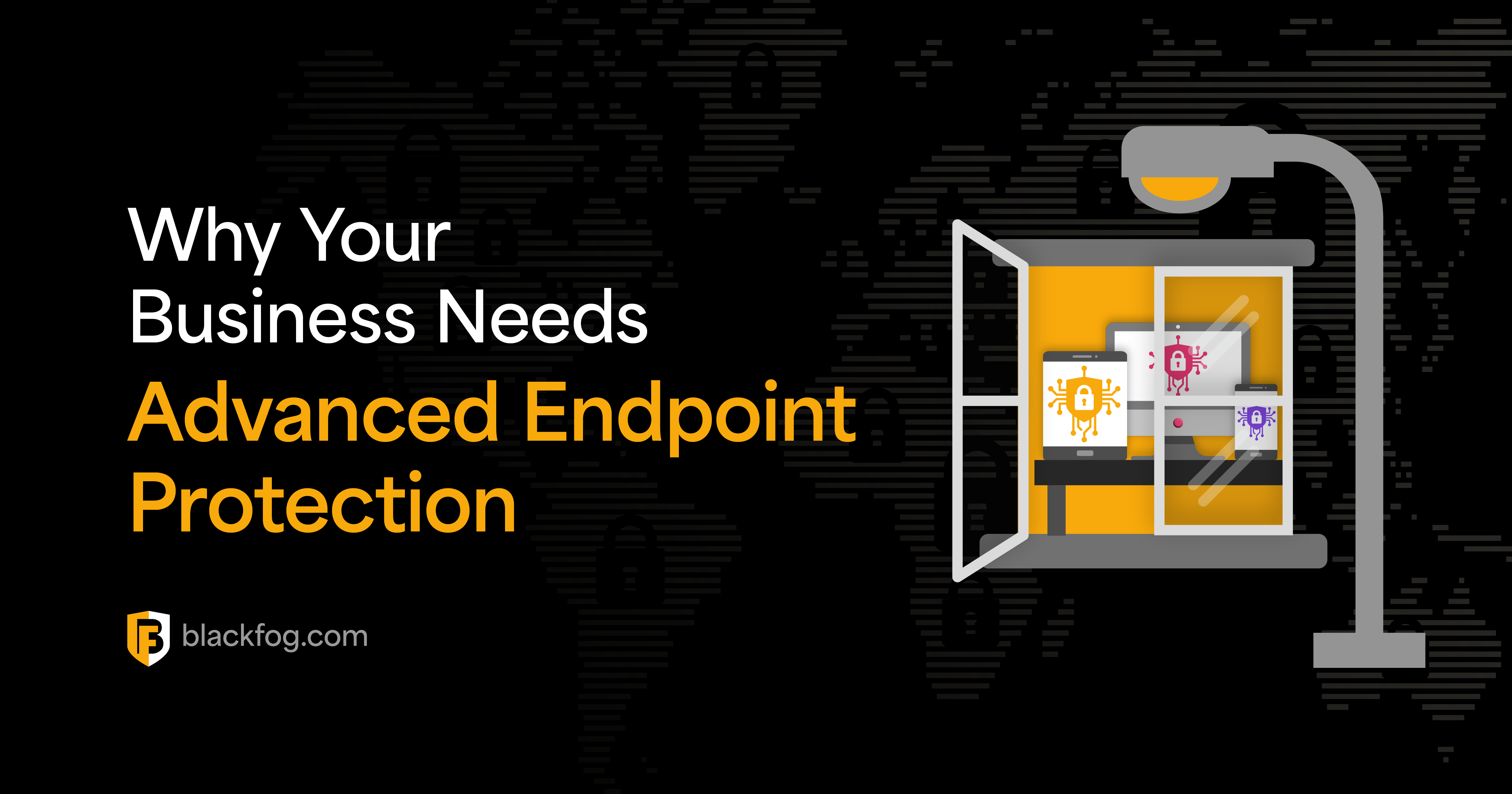
The goal is not to install the largest number of security agents. It is to make devices harder to compromise, detect suspicious behavior early, limit what an attacker can do after gaining access, and recover quickly. The NIST Cybersecurity Framework 2.0 provides a useful way to connect endpoint controls with broader governance, protection, detection, response, and recovery.
What Modern Endpoint Security Includes
Endpoint protection is a layered discipline. Different products use different names, but most mature approaches cover several common capabilities.
Core endpoint controls
- Secure configuration: disabling unnecessary services and applying sensible device policies.
- Patch management: keeping operating systems, browsers, drivers, and applications updated.
- Anti-malware: identifying known malicious files and behaviors.
- Endpoint detection and response (EDR): recording activity and detecting suspicious processes or behaviors.
- Device management: enforcing encryption, screen locks, application policies, and update settings.
- Least privilege: reducing unnecessary local administrator access.
- Data protection: controlling how sensitive information is stored and transferred.
These controls are strongest when they are centrally managed. A security rule that depends on every employee remembering to configure a laptop manually is difficult to maintain at scale.
Why Patching Still Matters
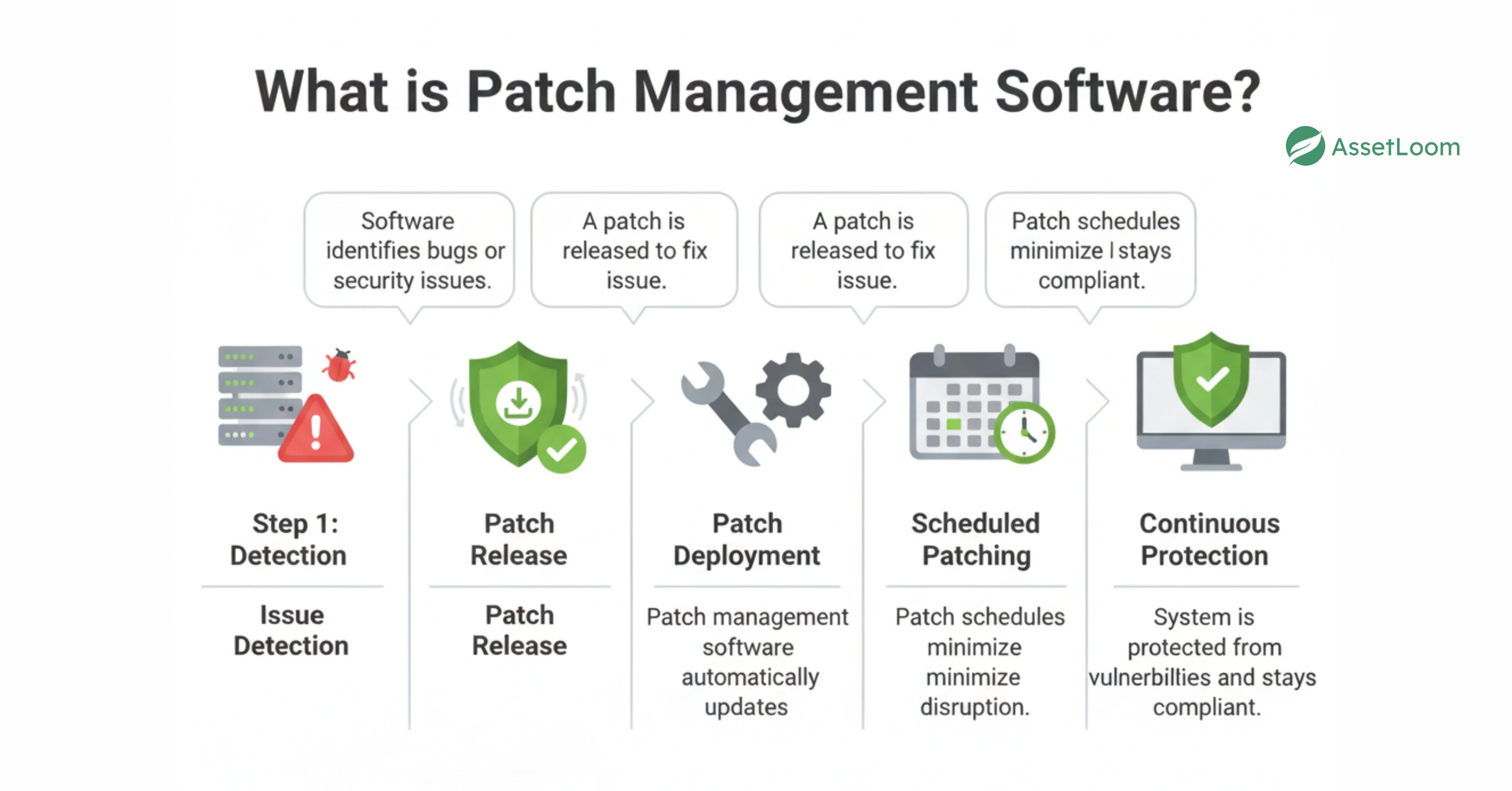
Attackers routinely take advantage of known vulnerabilities after fixes are available. Organizations should therefore know which devices they operate, which software versions are installed, and which systems are internet-facing or business-critical.
A practical patching process
- Maintain an inventory of supported devices and applications.
- Prioritize actively exploited and internet-facing vulnerabilities.
- Test updates where business-critical compatibility requires it.
- Deploy updates within defined time targets.
- Verify that deployment actually succeeded.
- Replace unsupported software that no longer receives security fixes.
Automatic updates can handle many common applications, but organizations still need visibility into failures and exceptions.
Endpoint Detection and Response Explained
Traditional antivirus focuses heavily on identifying malicious files. EDR adds broader visibility into what is happening on a device: process launches, command execution, network connections, file changes, and other activity. Security teams can use this telemetry to investigate suspicious behavior and understand how an incident spread.
| Capability | Traditional antivirus | Modern EDR |
|---|---|---|
| Known malware detection | Strong focus | Usually included |
| Behavioral monitoring | Varies | Core capability |
| Investigation timeline | Limited | Typically richer |
| Remote containment | Varies | Common enterprise feature |
| Threat hunting | Limited | Often supported |
EDR produces valuable data, but it also needs tuning and review. More alerts do not automatically mean better security. Detection quality, response speed, and operational ownership matter.
Reduce the Damage of a Compromised Account
If every user is a local administrator and every device can freely reach sensitive systems, one compromised endpoint can have an outsized impact. Least privilege helps contain incidents.
- Use standard user accounts for everyday work.
- Separate administrator credentials from normal email and browsing.
- Require MFA for sensitive systems.
- Restrict remote management tools to approved users and devices.
- Review access when employees change roles or leave.
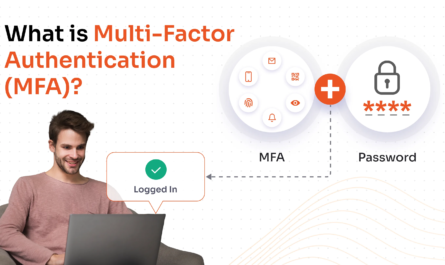
Our guide to multi-factor authentication explains why strong login controls remain important even with secure endpoints.
Endpoint Security Against Ransomware
Ransomware defense requires layers. Endpoint controls can block or detect suspicious execution, but businesses also need backups, network segmentation, identity security, email protection, and a response plan.
High-impact ransomware controls
- Patch exposed systems promptly.
- Protect remote-access services with MFA.
- Limit administrative privileges.
- Filter malicious email and train users to report phishing.
- Maintain protected backups and test restoration.
- Monitor for unusual script, credential, and file-encryption behavior.
- Isolate infected devices quickly when an incident is confirmed.
CISA maintains StopRansomware resources for organizations looking to improve preparation and response.
Protect Remote and Hybrid Workers

Remote endpoints spend more time outside the office network, so device-level controls become especially important. A managed laptop should remain protected whether it is connected at headquarters, at home, or on a hotel network.
- Use full-disk encryption.
- Enforce screen locks and supported operating systems.
- Manage security policies remotely.
- Use secure remote-access methods for private systems.
- Keep endpoint protection active outside the corporate network.
- Provide a simple method to report lost or stolen devices.
How to Evaluate an Endpoint Security Platform
Focus on operational fit
A product can have an impressive feature list and still be difficult to operate. Evaluate how well it fits your device mix, IT skills, compliance needs, existing identity system, and response process.
- Which operating systems are supported?
- Can policies be managed centrally?
- How quickly do detections appear?
- Can a compromised endpoint be isolated remotely?
- Are alerts understandable and linked to evidence?
- Can logs integrate with the organization’s monitoring platform?
- How much tuning is needed to reduce false positives?
- What happens when the endpoint is offline?
AI-assisted detection can improve triage in some products, but it should be evaluated against real outcomes. See our AI-powered cybersecurity guide for the benefits and governance considerations.
Endpoint Security Checklist
- Inventory laptops, desktops, servers, and managed mobile devices.
- Remove unsupported operating systems and applications.
- Enable device encryption where appropriate.
- Patch critical vulnerabilities promptly.
- Use centrally managed malware/EDR protection.
- Remove unnecessary local administrator access.
- Require MFA for sensitive accounts.
- Back up critical data and test restores.
- Monitor endpoint security alerts and define escalation ownership.
- Document containment and recovery procedures.
Small teams can combine these steps with our broader small-business cybersecurity checklist.
Frequently Asked Questions
Is antivirus still necessary if a company has EDR?
Most modern endpoint platforms combine malware prevention and EDR capabilities. The exact architecture varies, but organizations still need preventive controls as well as detection and investigation.
Can endpoint security stop every ransomware attack?
No. It is an important layer, but ransomware defense also depends on identity security, patching, email controls, backups, segmentation, and incident response.
Do employee-owned devices need protection?
If personal devices can access sensitive business data, the organization should define clear security requirements. Some businesses instead restrict sensitive access to managed devices so policies can be enforced consistently.
Conclusion
Modern endpoint security is about controlling risk across the full device lifecycle. Secure configuration and patching reduce the attack surface. MFA and least privilege limit account abuse. EDR improves visibility. Backups and incident response reduce the impact when prevention fails.
Start with an accurate device inventory, supported software, central management, strong account controls, and tested recovery. Then add advanced detection capabilities where they solve a real monitoring or response gap. A well-operated set of foundational controls is more valuable than a complicated security stack nobody owns.