Cloud Security Frameworks That Help Organizations Reduce Cyber Risks
Cloud computing is now at the center of how modern businesses operate. Companies use cloud services to store information run applications support remote teams and deliver products and services online. The benefits are clear. Businesses can move faster scale more easily and reduce the need for expensive on-site infrastructure.
At the same time moving to the cloud brings new security challenges. Problems like misconfigured storage weak access controls ransomware attacks insider threats and supply chain risks continue to affect organizations of every size.
Many security incidents don’t happen because a company lacks security tools. They happen because there isn’t a clear and organized way to manage risk. That’s where cloud security frameworks come in. A framework gives organizations a structured approach to identifying risks applying security controls measuring results and improving over time.
Industry-recognized frameworks such as NIST Cybersecurity Framework 2.0, ISO 27001, CIS Controls, and the Cloud Security Alliance Cloud Controls Matrix (CCM) help organizations build repeatable security processes instead of relying on reactive security measures.
This guide looks at some of the most effective cloud security frameworks and explains how organizations can use them to reduce cyber risks while supporting long-term business growth.
Why Cloud Security Frameworks Matter More Than Ever
Today’s organizations operate in much more complex environments than they did a few years ago. Many businesses use multiple cloud providers remote workers third-party applications and connected devices all at the same time.
Security teams are expected to protect sensitive information across all of these systems while still allowing employees and customers to work without interruptions. That’s not easy without a clear plan.
The Shift from Reactive Security to Structured Risk Management
In the past many companies focused on dealing with security problems after they happened. A breach would occur and then the organization would respond.
Modern cloud security frameworks encourage a different approach. Instead of waiting for something to go wrong organizations are encouraged to identify risks early and put controls in place before those risks turn into serious incidents.
A good security framework helps answer important questions such as:
- What assets need protection?
- Which threats pose the greatest risk?
- What security controls should be implemented?
- How should incidents be handled if they occur?
Without clear answers to these questions security investments can become scattered and less effective.
A structured framework helps security teams focus on what matters most and spend resources where they can make the biggest impact.
The Business Impact of a Security Framework
Cloud security frameworks aren’t just useful for security teams. They also help improve communication across the business.
Executives gain better visibility into organizational risks. Compliance teams have clear documentation to work with. Security professionals follow consistent processes instead of making decisions on the fly.
For example a financial services company moving customer applications into the cloud can use a framework to establish access controls monitor security events and create recovery procedures. Instead of relying on a collection of separate tools the organization develops a clear and measurable security strategy.
Frameworks can also support:
- Regulatory compliance efforts
- Vendor risk management
- Cyber insurance requirements
- Internal security governance
As cloud adoption continues to grow organizations that follow established frameworks are generally in a stronger position to handle new threats and operational challenges.
Understanding the NIST Cybersecurity Framework in Cloud Environments
The NIST Cybersecurity Framework (CSF) has become one of the most widely used approaches for managing cybersecurity risks.
One reason it’s so popular is flexibility. It can be used by small businesses large enterprises government agencies and nonprofit organizations. It doesn’t force organizations into a rigid structure which makes it easier to adapt to different environments and business needs.
For companies operating in the cloud the NIST framework provides a practical way to understand risks prioritize security efforts and improve resilience over time.
The Six Core Functions of NIST CSF 2.0
The latest version known as NIST CSF 2.0 organizes cybersecurity activities into six core functions:
- Govern
- Identify
- Protect
- Detect
- Respond
- Recover
The addition of the Govern function highlights how important leadership oversight and risk management have become in modern cybersecurity programs.
Together these six functions help organizations create a complete security lifecycle rather than focusing on just one area of protection.
What Each Function Means
Govern focuses on leadership accountability policies and overall cybersecurity strategy.
Identify helps organizations understand their systems assets data and risks.
Protect covers security controls such as encryption access management and employee awareness training.
Detect focuses on monitoring systems and identifying suspicious activity quickly.
Respond provides guidance for handling security incidents and minimizing damage.
Recover ensures organizations can restore services and return to normal operations after an incident.
When all six functions work together organizations gain a much clearer picture of their overall security posture.
Applying NIST to Cloud Security
Imagine a company using cloud-based customer databases collaboration tools and business applications.
Following the NIST framework the organization would first identify its most critical assets and understand the risks associated with them.
Next it would implement protection measures such as:
- Data encryption
- Identity and access management
- Multi-factor authentication
- Security awareness training
Monitoring tools would then be used to detect unusual activity. If a security incident occurred response procedures would guide containment efforts while recovery plans would help restore normal operations as quickly as possible.
This structured approach makes it easier to manage security consistently across cloud environments.
Why Organizations Choose NIST
Many organizations choose the NIST framework because it adapts well to different industries technologies and compliance requirements.
Security teams can map NIST recommendations to:
- Cloud platforms
- Regulatory requirements
- Internal security policies
- Existing security tools
Another major advantage is that NIST encourages continuous improvement. Security isn’t treated as a one-time project. Instead organizations regularly review risks update controls and strengthen their defenses as threats evolve.
In cloud environments where technology changes quickly this flexibility is especially valuable.
Organizations that use NIST effectively often gain a much better understanding of their security strengths weaknesses and priorities. That helps them make smarter security investments based on real risks rather than assumptions.
How ISO 27001 Creates Strong Cloud Security Governance
While the NIST framework focuses mainly on managing cybersecurity risks, ISO 27001 takes a broader approach. It helps organizations build a complete system for managing information security across the business.
Many companies use ISO 27001 because it creates clear rules, responsibilities, and processes that can support security for years rather than just solving short-term problems.
The framework is maintained by the International Organization for Standardization (ISO) and is recognized around the world as one of the leading standards for information security management.
Building an Information Security Management System
At the heart of ISO 27001 is something called an Information Security Management System, commonly known as an ISMS.
An ISMS is not just a collection of security tools. It is a structured system that helps organizations manage security in a consistent and organized way.
The ISMS typically includes:
- Security policies
- Risk assessments
- Employee responsibilities
- Access control procedures
- Incident response processes
- Continuous monitoring and reviews
Instead of treating security as an IT problem, ISO 27001 encourages organizations to treat it as a business responsibility that involves leadership, employees, and external partners.
This approach helps create a culture where security becomes part of everyday operations rather than something that only gets attention after an incident.
Why Certification Matters
One of the biggest advantages of ISO 27001 is certification.
Organizations that achieve ISO 27001 certification can demonstrate to customers, partners, investors, and regulators that they follow a formal and internationally recognized security management process.
For example, a software company serving customers in different countries may use ISO 27001 certification to build trust during vendor evaluations and contract negotiations.
Potential clients often see certification as evidence that a company takes security seriously and follows established best practices.
Certification can also help organizations:
- Improve customer confidence
- Meet vendor security requirements
- Support compliance efforts
- Strengthen internal security governance
- Gain a competitive advantage
As businesses move more systems and data into cloud environments, these benefits become even more valuable.
Supporting Cloud Security Through Governance
Cloud adoption introduces new risks that organizations must manage carefully.
ISO 27001 encourages businesses to evaluate risks related to:
- Cloud service providers
- Data storage practices
- Access management
- Third-party vendors
- Sensitive information handling
Unlike technical checklists that focus mainly on controls, ISO 27001 places a strong emphasis on accountability, governance, and continuous improvement.
That makes it especially useful for organizations looking for a long-term security strategy that aligns with business goals and international standards.
Using CIS Controls to Reduce Everyday Cloud Threats
One of the biggest challenges organizations face is deciding where to start. There are thousands of possible security controls, tools, and recommendations available today.
The Center for Internet Security (CIS) Controls help solve this problem by focusing on practical actions that can reduce risk quickly.
Instead of providing broad guidance, CIS Controls give organizations a prioritized list of security measures that address some of the most common attack methods seen across industries.
A Framework Built Around Action
The CIS Controls framework is designed to help organizations move from planning to execution.
Rather than overwhelming teams with hundreds of recommendations, it focuses on practical safeguards that have proven effective against real-world attacks.
Examples include:
- Asset inventory management
- Secure configuration standards
- Vulnerability management
- Access control enforcement
- Security awareness training
These controls are organized into implementation groups so organizations can adopt security measures based on their size, resources, and security maturity.
This makes the framework useful for both small businesses and large enterprises.
Practical Benefits in the Cloud
Cloud environments move quickly, and even small mistakes can create major risks.
A common example is a misconfigured cloud server or storage bucket that accidentally exposes sensitive information to the public internet.
CIS Controls provide direct guidance on how to prevent these types of mistakes through secure configurations, monitoring, and regular reviews.
For organizations with limited security teams, this practical approach can be extremely valuable.
Rather than building an entire security program from scratch, teams can focus on the controls that deliver the biggest security improvements first.
Working Alongside Other Frameworks
Another reason CIS Controls are popular is that they work well alongside other security frameworks.
Many organizations use:
- NIST for overall risk management
- ISO 27001 for governance
- CIS Controls for technical implementation
This combination allows security leaders to translate high-level security goals into real actions that can be measured and improved over time.
For many businesses, CIS Controls become the operational layer that turns strategy into daily security practices.
By focusing on proven safeguards, organizations can reduce their attack surface and strengthen cloud security in a practical and measurable way.
The Cloud Security Alliance Framework and Shared Responsibility
Cloud environments come with unique security challenges that traditional security frameworks do not always cover in detail.
To address these cloud-specific concerns, the Cloud Security Alliance (CSA) developed guidance specifically designed for cloud computing environments.
One of its most widely used resources is the Cloud Controls Matrix, often called CCM.
Understanding the Cloud Controls Matrix
The Cloud Controls Matrix (CCM) provides a detailed set of cloud security controls that organizations can use to assess cloud providers and strengthen their own security programs.
The framework covers important areas such as:
- Data protection
- Identity management
- Application security
- Infrastructure security
- Compliance management
One of the strengths of CCM is that it maps to other major frameworks, making integration easier for organizations that already use NIST, ISO 27001, or CIS Controls.
This allows businesses to create a more consistent and unified security strategy across different environments.
Managing Shared Responsibility
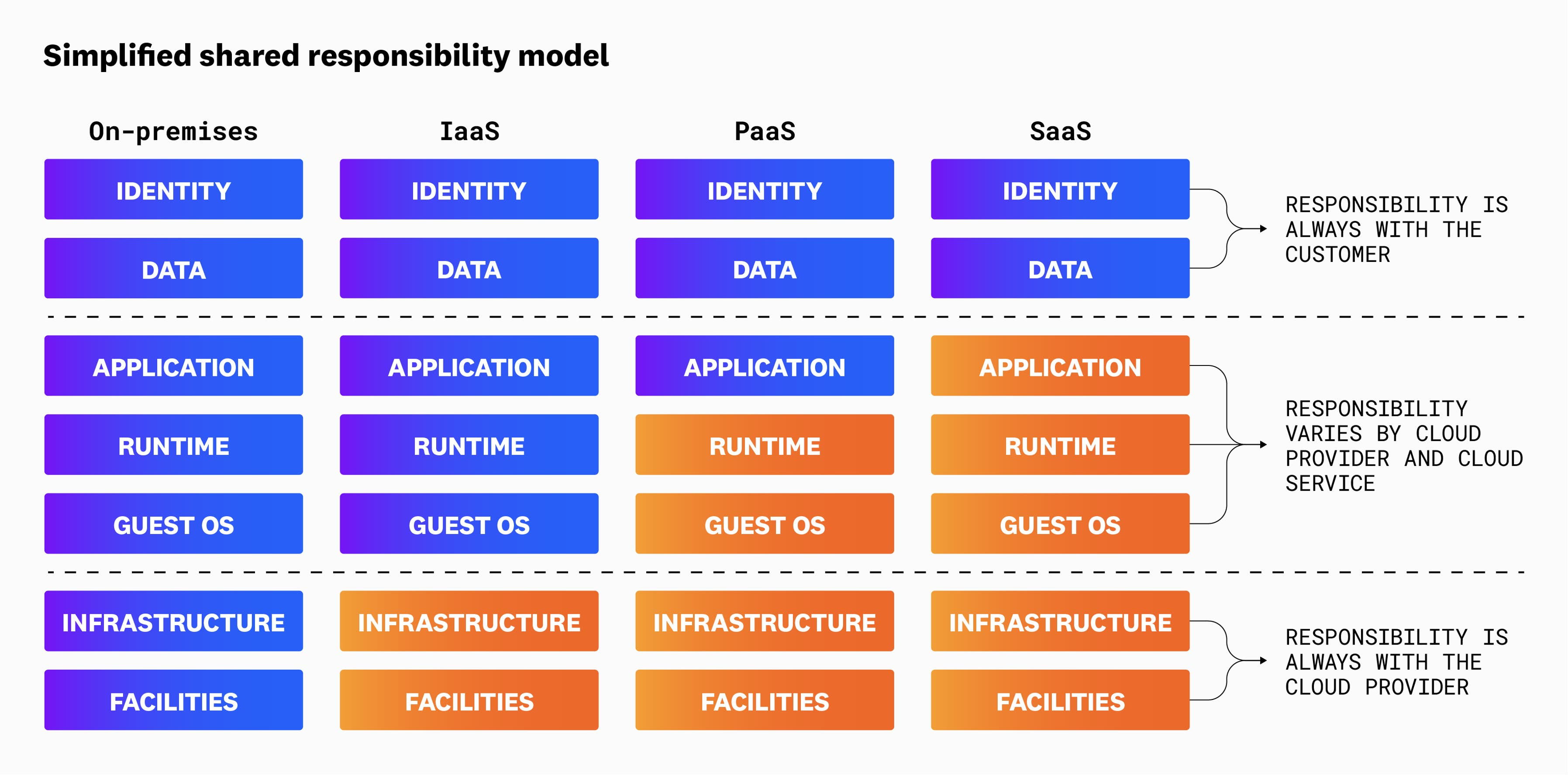
One of the most important concepts in cloud security is the shared responsibility model.
Many organizations mistakenly assume that cloud providers handle all security responsibilities. In reality, cloud security is shared between the provider and the customer.
Generally speaking:
- The cloud provider secures the underlying infrastructure.
- The customer remains responsible for data, identities, applications, configurations, and user access.
This distinction is extremely important.
For example, a cloud storage provider may secure its platform and data centers. However, if a customer accidentally makes a storage bucket public, the provider is not responsible for that exposure.
Many cloud-related data breaches happen because organizations misunderstand this division of responsibility.
Why CSA Matters in Modern Cloud Environments
The CSA framework helps organizations clearly understand their responsibilities and apply security controls that are specifically designed for cloud environments.
This becomes especially important for organizations using:
- Multi-cloud environments
- Cloud-native applications
- Containerized workloads
- Software-as-a-Service (SaaS) platforms
Because CSA focuses entirely on cloud security, it often addresses challenges that receive less attention in broader cybersecurity frameworks.
As businesses continue expanding their cloud footprint, cloud-specific guidance becomes increasingly important for reducing security gaps and improving operational resilience.
Continue with “Part 3” for:
- Zero Trust Security for Modern Cloud Infrastructure
- Combining Multiple Frameworks for Better Protection
- Practical Steps to Implement and Maintain a Cloud Security Framework
- Conclusion
- Short SEO Tags
- Long-Tail SEO Tags
Zero Trust Security for Modern Cloud Infrastructure
The rise of remote work cloud applications and distributed networks has changed the way organizations think about security. The old approach of trusting users once they were inside the company network no longer works very well in cloud-first environments.
That’s why many organizations are adopting a Zero Trust approach to security.
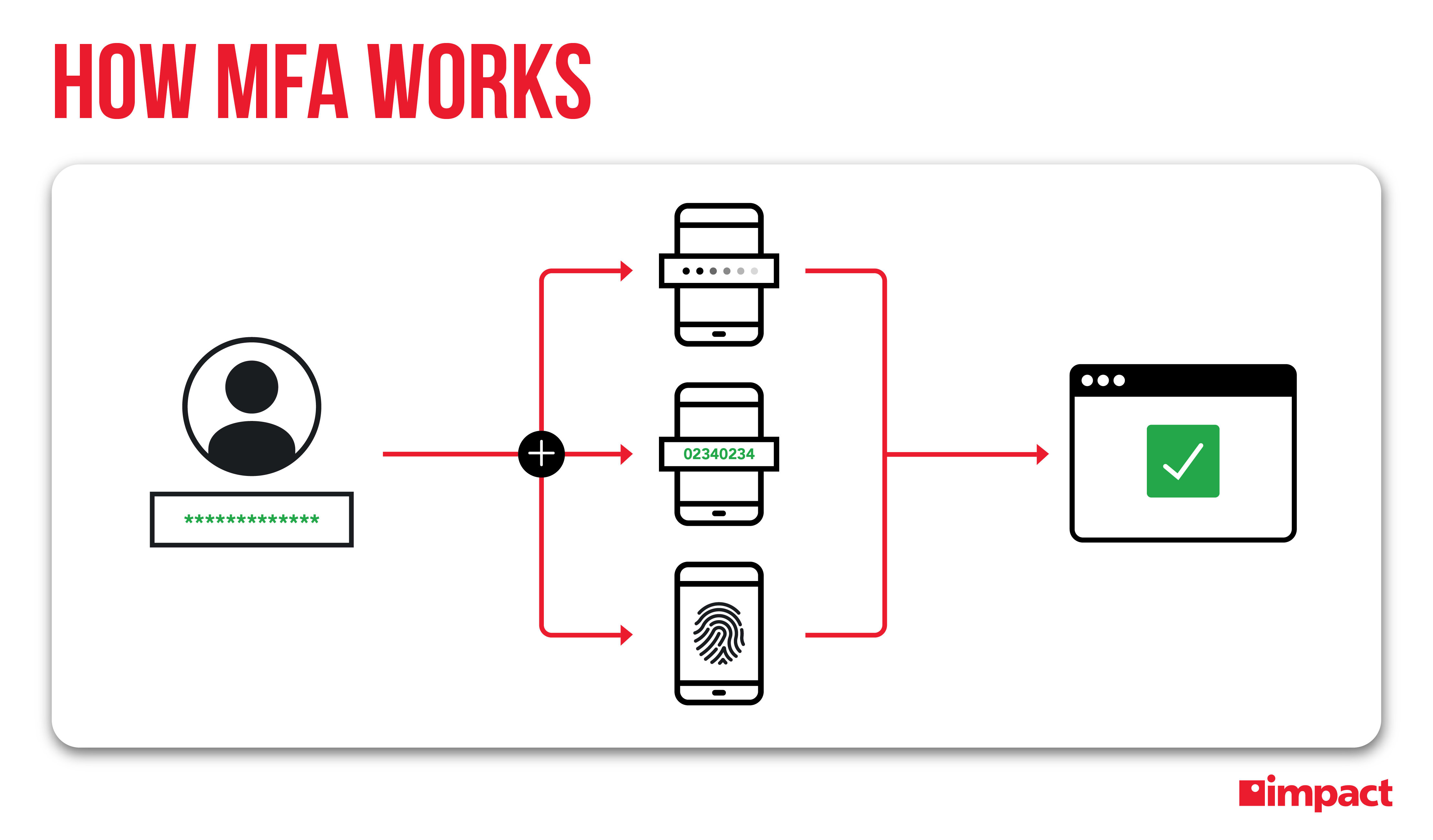
Instead of assuming that users devices or applications are trustworthy, Zero Trust requires verification every time access is requested.
Never Trust, Always Verify
The core idea behind Zero Trust is simple: trust should never be automatic.
Every user device application and connection must be verified before access is granted.
This approach helps reduce risks from compromised accounts stolen credentials and insider threats.
Common Zero Trust practices include:
- Multi-factor authentication (MFA)
- Least-privilege access
- Device verification
- Continuous monitoring
- Micro-segmentation
Together these controls make it harder for attackers to move through systems even if they gain access to one account or device.
Real-World Cloud Applications
Imagine an employee trying to access a cloud-based finance platform from a personal laptop.
In a traditional security model they might gain access simply because they entered the correct password.
In a Zero Trust environment additional checks happen first. The system may verify:
- User identity
- Device health and security status
- Geographic location
- Access permissions
- Risk level of the request
If something looks unusual access can be restricted immediately.
This extra layer of validation helps organizations reduce the chances of unauthorized access and credential-based attacks.
Major technology companies such as Microsoft, Google Cloud, and Amazon Web Services (AWS) have all incorporated Zero Trust principles into their security recommendations because traditional network boundaries are becoming less relevant.
Why Zero Trust Complements Security Frameworks
Zero Trust is not a replacement for frameworks like NIST ISO 27001 or CIS Controls.
Instead it works alongside them.
While frameworks help organizations manage risks and establish security processes Zero Trust provides a modern approach to identity verification and access control.
Organizations that combine Zero Trust principles with established security frameworks often improve protection against:
- Credential theft
- Insider threats
- Lateral movement attacks
- Unauthorized access
- Account compromise
As cloud environments continue to expand Zero Trust is becoming an important part of modern cybersecurity strategies.
Combining Multiple Frameworks for Better Protection
Many organizations quickly discover that no single framework covers every security requirement.
Each framework has its own strengths and focuses on different parts of cybersecurity.
Because of this many businesses combine multiple frameworks to create a more complete security program.
Building a Layered Security Strategy
Different frameworks solve different problems.
For example:
- NIST CSF focuses on cybersecurity risk management.
- ISO 27001 focuses on governance and information security management.
- CIS Controls focus on practical technical safeguards.
- CSA CCM focuses on cloud-specific security controls.
When these frameworks are used together they create multiple layers of protection that address governance operational processes and technical security requirements.
This layered approach often provides stronger protection than relying on a single framework alone.
A Common Integration Model
Many organizations follow a structure similar to this:
- Use NIST CSF for overall cybersecurity governance and risk management.
- Use ISO 27001 for information security management and compliance.
- Use CIS Controls for technical implementation and operational security.
- Use CSA CCM for cloud-specific security requirements.
For example a healthcare organization running cloud-based patient systems may use NIST to assess risk ISO 27001 to support governance CIS Controls to strengthen security operations and CSA guidance to evaluate cloud providers.
This combination helps reduce security gaps while supporting multiple business and regulatory requirements.
The Benefits of Framework Integration
Organizations that integrate frameworks often gain:
- Better risk visibility
- Stronger governance
- More effective technical controls
- Improved compliance support
- Better cloud security coverage
Security leaders increasingly see framework integration as a practical way to build long-term resilience against evolving cyber threats while maintaining business flexibility.
Practical Steps to Implement and Maintain a Cloud Security Framework
Choosing a framework is only the first step.
The real value comes from implementation ongoing measurement and continuous improvement.
Organizations that treat frameworks as living processes generally achieve far better results than those that view them as one-time compliance projects.
Starting with a Risk Assessment
Before implementing any framework organizations need a clear understanding of their cloud environment.
This includes identifying:
- Critical systems
- Sensitive data
- Existing security controls
- Third-party services
- Potential threats
A risk assessment helps organizations understand where they are today and what improvements are needed.
Many organizations also perform a gap analysis to compare their current practices against framework requirements.
This process helps prioritize security investments based on actual business risks rather than assumptions.
Creating a Sustainable Security Program
Successful implementation usually includes several ongoing activities:
- Executive sponsorship
- Security awareness training
- Continuous monitoring
- Regular audits
- Incident response testing
- Vendor risk assessments
These activities help ensure that security remains an ongoing business priority rather than a temporary project.
The Role of Automation
Modern cloud environments change constantly.
New users applications workloads and configurations can appear every day. Managing all of this manually is difficult and often unrealistic.
Automation helps organizations:
- Monitor security events
- Detect misconfigurations
- Track compliance requirements
- Generate alerts
- Respond to threats faster
By automating routine tasks security teams can focus more time on strategic risk management and incident response.
Continuous Improvement Is the Key
Security frameworks work best when organizations regularly review and improve their processes.
This may include:
- Updating policies
- Reviewing access permissions
- Testing incident response plans
- Learning from past incidents
- Adapting to new threats
Over time the framework becomes part of daily operations rather than a separate security initiative.
This mindset helps organizations remain resilient even as technology and cyber threats continue to evolve.
Conclusion
Cloud security frameworks bring structure and consistency to an environment that changes constantly.
Instead of relying on isolated tools or reacting only after problems occur organizations can use proven frameworks to identify risks implement controls measure results and improve security over time.
Frameworks such as NIST Cybersecurity Framework 2.0, ISO 27001, CIS Controls, and the Cloud Security Alliance Cloud Controls Matrix (CCM) each bring unique strengths to a security program.
NIST helps organizations manage risk. ISO 27001 provides governance and accountability. CIS Controls offer practical security actions. CSA guidance focuses on cloud-specific challenges.
Together these frameworks create a strong foundation for reducing cyber risks and improving operational resilience.
The organizations that see the best results are usually the ones that treat frameworks as ongoing systems rather than simple compliance checklists. By combining governance technical controls continuous monitoring and employee awareness businesses can build cloud environments that stay secure adaptable and prepared for future threats.