 by
by Moving workloads to the cloud changes how infrastructure is delivered, but it does not remove an organization’s responsibility for security. Cloud providers secure major parts of the underlying platform, while customers remain responsible for many decisions involving identities, permissions, data, applications, configurations, and monitoring. A cloud security framework gives teams a repeatable way to make those decisions instead of relying on one-off fixes.

The most useful frameworks are not checklists that every company follows identically. They are structures for identifying important assets, understanding threats, assigning ownership, selecting controls, measuring results, and improving over time. The NIST Cybersecurity Framework 2.0 is widely applicable across sectors and organizes cybersecurity outcomes around Govern, Identify, Protect, Detect, Respond, and Recover.
What a Cloud Security Framework Should Accomplish
A practical cloud security program connects technical controls to business risk. It should help answer straightforward questions: What data do we store? Who can access it? Which services are internet-facing? How will we detect misuse? What is the recovery plan if a workload is compromised or accidentally deleted?
Core outcomes to cover
- Clear ownership of cloud accounts, subscriptions, projects, and resources.
- Strong identity and access management with least privilege.
- Secure configuration baselines for storage, networks, databases, and compute.
- Data classification, encryption, retention, and backup controls.
- Centralized logging and meaningful security alerts.
- Patch and vulnerability-management processes.
- Incident-response and recovery procedures.
- Regular review of third-party integrations and secrets.
These outcomes matter regardless of whether an organization uses one cloud provider or several. The implementation details change, but the underlying questions remain similar.
Understand the Shared Responsibility Model
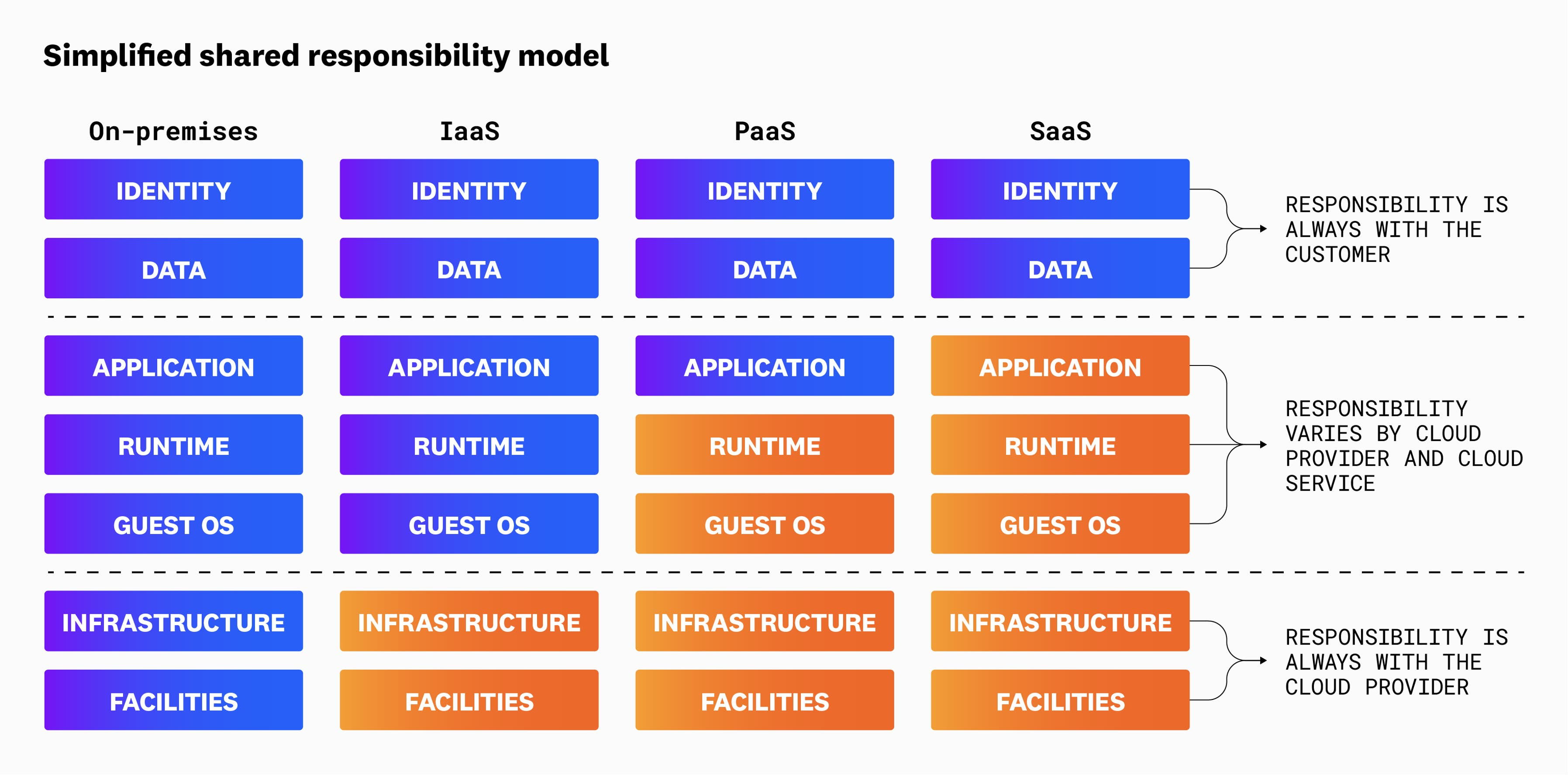
One of the most common cloud-security mistakes is assuming the provider handles everything. Responsibilities vary by service type. With infrastructure-as-a-service, the customer generally manages more of the operating system, applications, identities, and network configuration. With managed services or software-as-a-service, the provider manages more of the stack, but customers still control users, permissions, data use, and many configuration choices.
| Area | Provider typically handles | Customer typically handles |
|---|---|---|
| Physical data center | Facilities, hardware, physical security | Vendor selection and contractual review |
| Identity | Identity service availability | Users, roles, MFA, permissions, lifecycle |
| Data | Platform storage mechanisms | Classification, access, retention, encryption choices |
| Applications | Depends on service model | Code, dependencies, secure configuration |
| Monitoring | Logging capabilities | Enabling, retaining, reviewing, and acting on logs |
Document the responsibility boundary for each important service. This reduces gaps where both the provider and customer assume the other party is handling a control.
Identity Is the Center of Modern Cloud Security
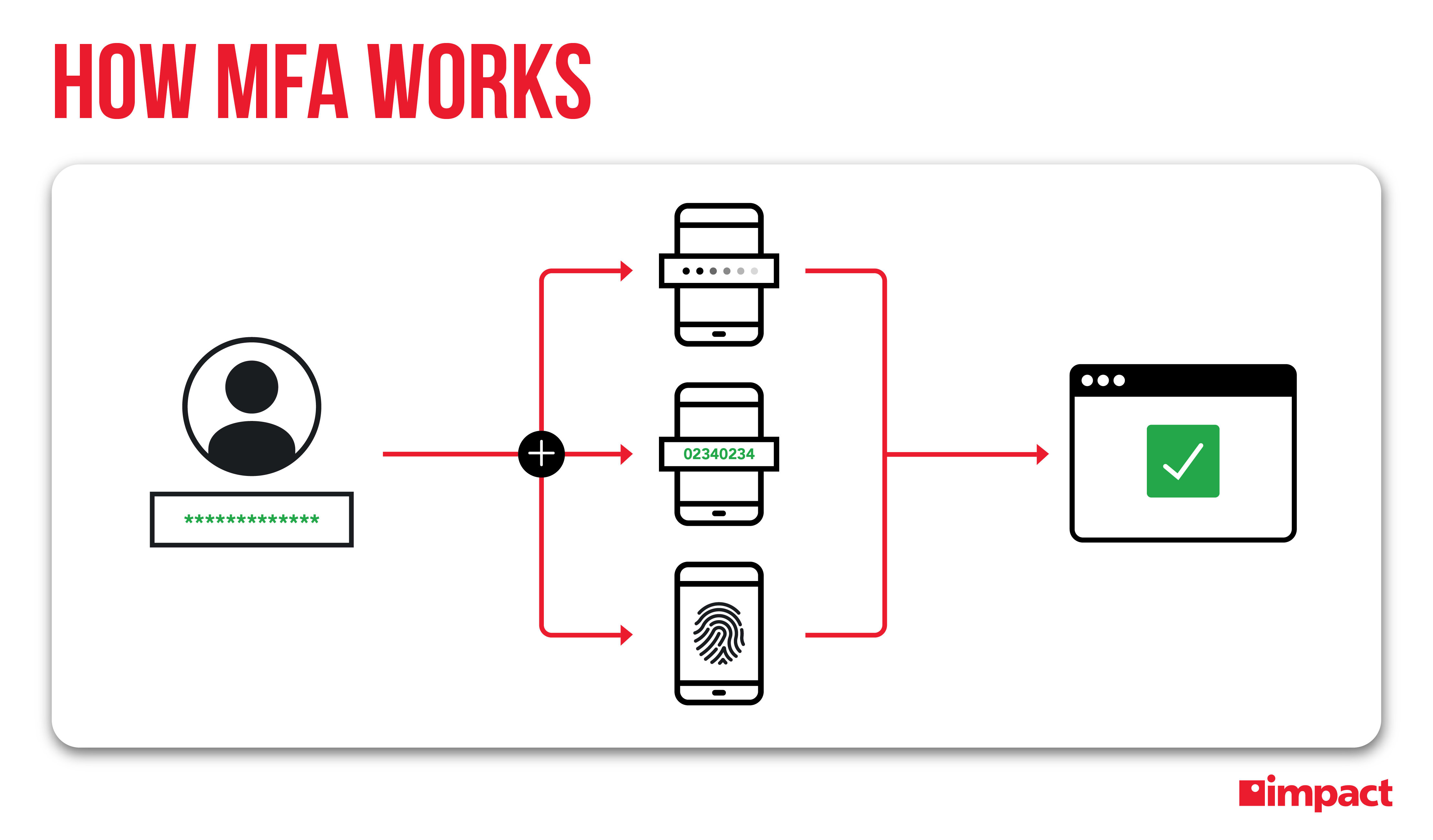
Many cloud incidents do not begin with a sophisticated software exploit. They begin with stolen credentials, excessive permissions, exposed keys, or misconfigured access. Identity controls therefore deserve priority.
Practical identity controls
- Require MFA for privileged and remote access.
- Use role-based access rather than shared administrator accounts.
- Remove dormant users and unused service identities.
- Prefer short-lived credentials over long-lived access keys where supported.
- Separate production administration from everyday user accounts.
- Review privileged roles on a scheduled basis.
- Log authentication and permission changes.
For additional account-security guidance, see our explanation of multi-factor authentication.
Secure Configuration and Continuous Monitoring
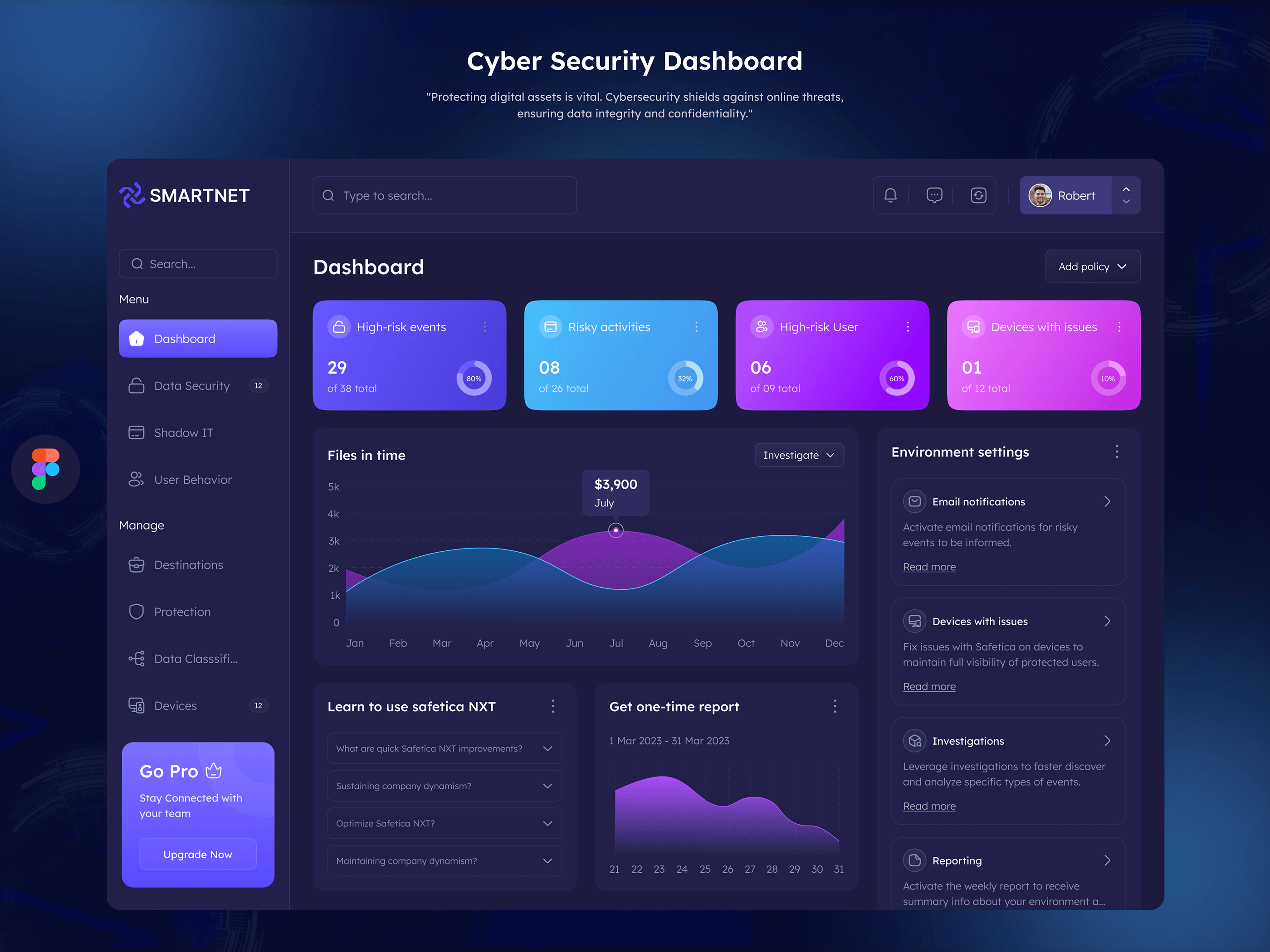
Cloud environments can change quickly through dashboards, APIs, infrastructure-as-code, and automated deployments. A secure setting today can be changed tomorrow. That makes continuous visibility more useful than a one-time audit.
Organizations should define approved baselines for public storage, network exposure, encryption, logging, database access, secrets, and administrative privileges. Automated checks can flag deviations, while high-impact changes should generate alerts.
Logging priorities
At minimum, capture important authentication events, administrator actions, network/security-control changes, access to sensitive data where feasible, and security-service findings. Logs should be retained long enough to investigate incidents and protected so attackers cannot easily erase them.
Protect Data Throughout Its Lifecycle
Cloud security is ultimately about protecting information and services. Start by knowing what data exists and whether it is public, internal, confidential, regulated, or business-critical. Security controls should be proportional to sensitivity.
- Encrypt sensitive data in transit and at rest using supported platform controls.
- Restrict access based on business need.
- Avoid placing secrets directly in source code or public repositories.
- Define retention and secure-deletion rules.
- Back up critical data and test restoration.
- Separate backups from normal production access when possible.
CISA’s business cybersecurity resources emphasize practical fundamentals including access control, backups, updates, and incident preparation that also apply to cloud environments.
Build Cloud Incident Response Before You Need It

Incident response in the cloud can move quickly because resources are dynamic. Teams should know who can disable credentials, isolate workloads, preserve logs, contact the provider, restore services, and communicate with affected stakeholders.
- Define incident severity and escalation contacts.
- Preserve logs and evidence before making unnecessary changes.
- Contain compromised identities or resources with the smallest safe action.
- Identify the original cause, not only the visible symptom.
- Restore from known-good configurations or backups.
- Review what failed and update controls.
Our guide to AI-powered cybersecurity explains where automation can support detection and triage without replacing human accountability.
Cloud Security Implementation Checklist
- Inventory cloud accounts, subscriptions, projects, and critical resources.
- Assign owners for important services and data.
- Require MFA and minimize standing administrator privileges.
- Review public exposure of storage, databases, and management interfaces.
- Enable appropriate logging and centralize important events.
- Protect secrets and rotate credentials when risk requires it.
- Patch customer-managed operating systems and applications.
- Scan infrastructure-as-code and deployment configurations.
- Back up critical workloads and test restores.
- Document cloud incident-response procedures.
- Review vendor and third-party integrations.
- Reassess controls after major architecture changes.
Frequently Asked Questions
Is one security framework enough for every cloud environment?
No. A high-level framework such as NIST CSF can organize outcomes, while organizations may use provider-specific guidance, industry requirements, or technical benchmarks for implementation. The important point is to avoid conflicting controls and unclear ownership.
What is the biggest cloud security priority?
There is no single control for every environment, but identity and access management is often a high-impact starting point because compromised or overprivileged identities can expose many services at once.
Does encryption solve cloud data security?
Encryption is important, but it does not replace access control, secure key management, backups, monitoring, or data minimization. An authorized but compromised account may still access decrypted data.
Conclusion
Cloud security frameworks help teams turn a complex environment into a manageable set of responsibilities and measurable outcomes. The strongest programs begin with governance and asset visibility, then reinforce identity, configuration, data protection, monitoring, response, and recovery.
Use a framework as a living operating model rather than a compliance document that is reviewed once a year. When cloud architecture, vendors, users, or business priorities change, security assumptions should be reviewed as well. Consistent fundamentals and clear ownership reduce risk more reliably than adding isolated security products without an overall plan.