 by
by AI research assistants can search and synthesize information quickly, but speed is not the same as reliability. A polished report may contain a weak source, an outdated product page, a citation that supports only part of a sentence, or two statistics that use different definitions. Professionals get better results when they treat AI as a research process that must remain auditable.
This guide focuses on answer quality rather than research speed. The goal is to make an AI-generated report easier to verify, update, and defend. Current research tools such as ChatGPT Deep Research, Gemini Deep Research, and Perplexity Research expose sources and multi-step workflows, but the researcher still decides which evidence deserves the most weight.
Start With a Source Hierarchy
Not all sources should be treated equally. The strongest source depends on the question, but a practical hierarchy helps prevent a search-optimized article from outweighing the organization that actually defines the fact.
For product capabilities
- Official product documentation.
- Official release notes or support pages.
- Vendor technical blogs when documenting the vendor’s own feature.
- Independent reviews for user experience and third-party testing.
For laws, rules, and government data
- Government or regulator websites.
- Statutory or official legal text.
- Official guidance and enforcement documents.
- Qualified secondary legal analysis for interpretation.
For scientific and technical claims
- Primary research papers.
- Standards bodies and official technical documentation.
- Systematic reviews and respected research institutions.
- High-quality secondary explanations for context.
Tell the research assistant which source types to prioritize before it begins.
Make the Date Part of the Question
AI research can fail simply because an older page ranks well. This is especially important for software, AI models, pricing, policies, regulations, leadership, and product availability.
Better research instruction
Instead of “Compare current AI research tools,” specify: “Compare AI research tools that are actively documented as of August 2026. Prioritize official documentation updated in 2026, and identify any product that has been discontinued or renamed.”
This forces the research process to treat time as a constraint rather than an afterthought.
Check Whether the Citation Supports the Exact Claim
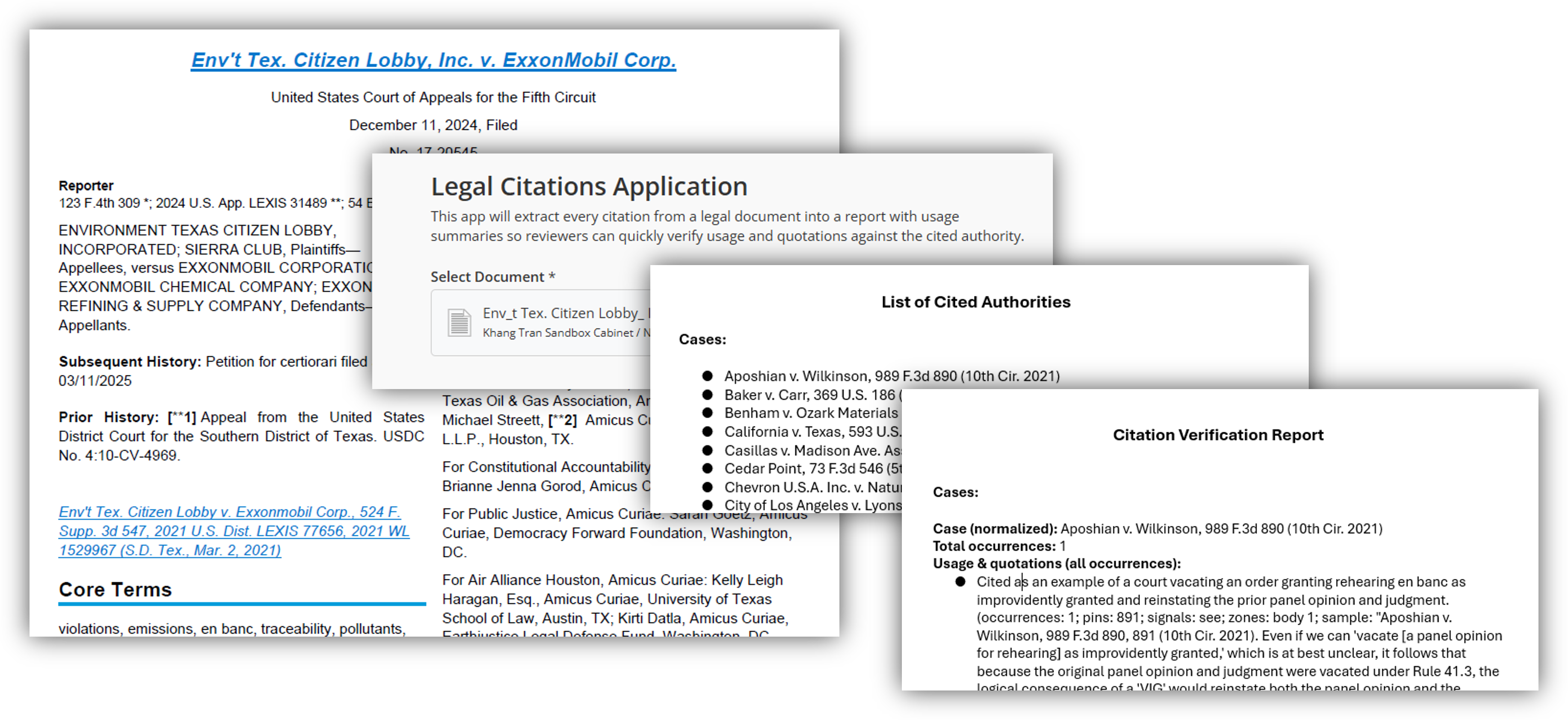
A citation can be topically relevant without proving the sentence beside it. Source verification should happen at the claim level.
| Claim type | What to verify |
|---|---|
| Number or percentage | Exact value, population, year, geography, and definition |
| Product feature | Current availability, plan, region, and limitations |
| Comparison | Same measurement method across compared items |
| Policy statement | Official wording and current effective version |
| Research conclusion | Study design, sample, limitations, and what authors actually concluded |
When a claim affects a financial, legal, medical, security, or strategic decision, open the source rather than relying only on the AI summary.
Use Research Tools That Keep Sources Visible
OpenAI’s current Deep Research documentation describes structured reports with citations or source links and lets users choose or restrict sources. Google’s Gemini Deep Research can use web, files, and selected Google sources. Perplexity’s Research mode similarly emphasizes multi-source research and cited reporting.
The useful feature is not simply “more sources.” It is the ability to inspect which source supports which part of the answer.
Ask the AI to Separate Evidence From Interpretation
A good professional research report should distinguish what the sources directly establish from what the analyst infers.
Useful output structure
- Verified findings: directly supported by sources.
- Interpretation: reasonable conclusions drawn from the evidence.
- Conflicting evidence: sources that disagree or use different definitions.
- Unknowns: questions the available evidence does not resolve.
- Recommendation: an action based on the verified findings and stated assumptions.
This structure reduces the chance that a confident inference is mistaken for an established fact.
Handle Conflicting Sources Instead of Averaging Them
When two credible sources disagree, do not ask the AI to silently choose one. Ask why they differ.
Common reasons for disagreement
- Different publication dates.
- Different countries or populations.
- Different definitions of the same term.
- Survey data versus administrative data.
- Forecast versus observed result.
- Vendor-reported performance versus independent testing.
- Different versions of a product or standard.
A useful report explains the difference and tells the reader which source is more applicable to the decision.
Do Not Confuse Source Count With Source Diversity
Ten webpages can repeat one original press release. That is effectively one source, not ten independent confirmations.
Look for diversity across
- Primary and independent sources.
- Different organizations.
- Different methodologies.
- Different geographies when the question is global.
- Supportive and critical evidence when a topic is contested.
Ask the assistant to identify when several articles appear to trace back to the same original source.
Evaluate Methodology, Not Just the Headline Number
A statistic becomes more useful when you know how it was produced. A survey of 300 customers from one vendor cannot automatically describe an entire market. A benchmark score may depend on prompts, hardware, data selection, or model version.
For important studies, capture
- Who conducted or funded it.
- Sample size.
- Population and geography.
- Collection dates.
- Definitions.
- Methodology.
- Known limitations.
This is particularly important when research is used in an executive presentation or public article.
Build a Reproducible Research Record
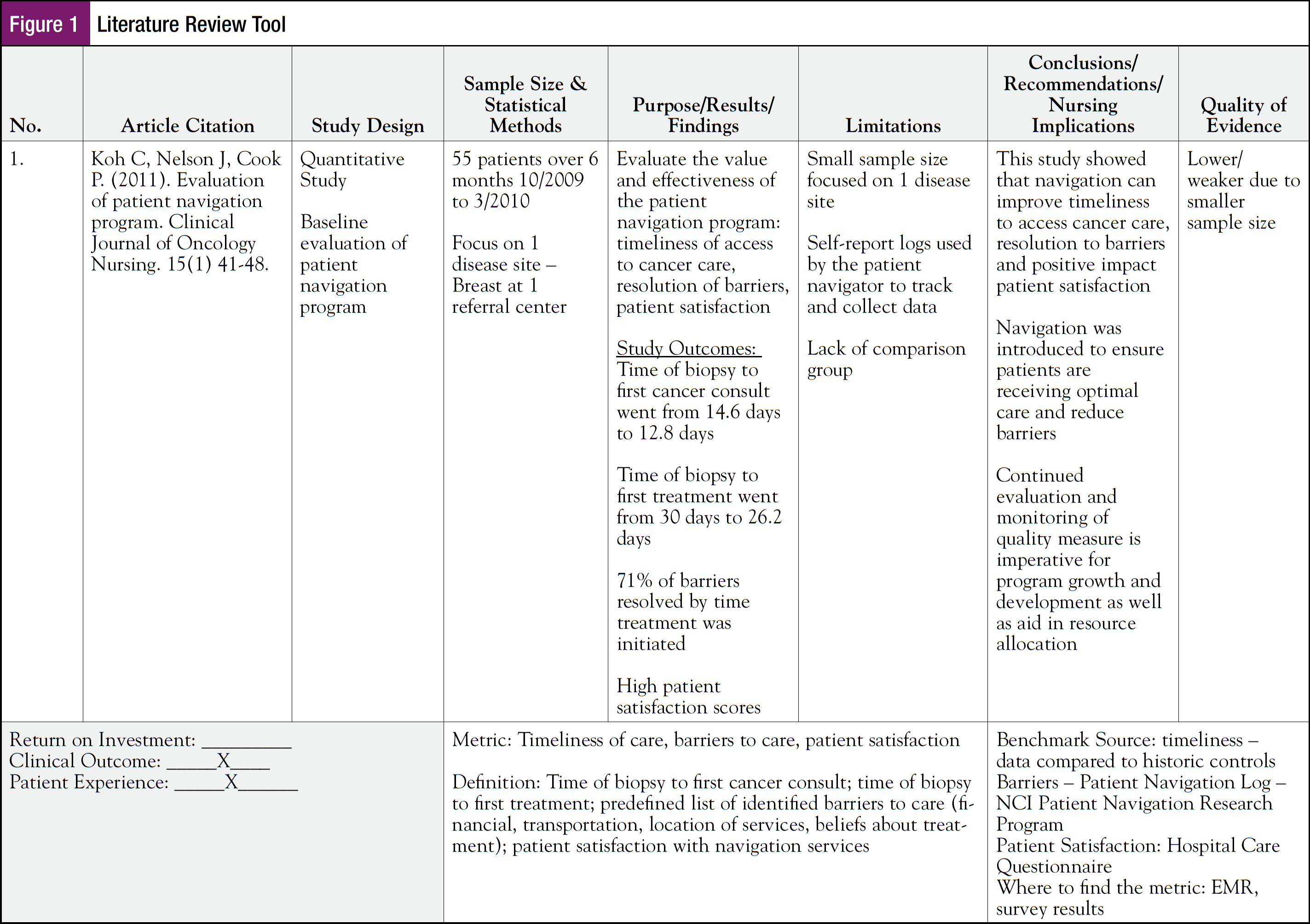
Good research should be updateable later. Save enough information that another person—or you six months later—can understand what was checked.
Keep a simple evidence table
| Field | Example |
|---|---|
| Claim | Product supports feature X |
| Source | Official documentation |
| Source date | Updated July 2026 |
| Accessed | August 2026 |
| Confidence | High |
| Notes | Only available on enterprise plan |
This makes future updates much faster because the researcher can recheck the load-bearing claims instead of starting from zero.
A Professional AI Research Prompt Template
A strong brief can look like this:
- Research question and intended decision.
- Required date range.
- Geography.
- Source priority.
- Excluded source types if necessary.
- Required comparison criteria.
- Output format.
- Instruction to flag contradictions.
- Instruction to separate facts, inference, and unknowns.
- Instruction to provide citations for important factual claims.
For the faster end-to-end process, see our workflow for reducing manual research time with AI.
AI Research Quality Checklist
- Is the question specific?
- Is the date range explicit?
- Are primary sources prioritized?
- Are citations attached to the claims they support?
- Have important source pages been opened?
- Are conflicting sources explained?
- Are definitions consistent across comparisons?
- Are methodology and limitations recorded?
- Are facts separated from inference?
- Can another person reproduce the evidence trail?
Frequently Asked Questions
Which AI research assistant gives the most accurate answers?
No tool is uniformly most accurate across every topic. Quality depends on the source set, research plan, model behavior, query wording, and verification process. For professional work, inspect the sources rather than trusting a brand name alone.
Are citations enough to make an AI answer trustworthy?
No. Citations improve auditability, but the source can still be weak, outdated, or mismatched to the claim. The reader should verify important evidence.
How many sources should a research report use?
There is no ideal number. Use enough independent, relevant evidence to support the conclusion. A few strong primary sources can be more useful than dozens of repetitive secondary pages.
Conclusion
AI research assistants deliver better professional answers when the research process is designed for verification. Prioritize the right source types, make dates explicit, check citations at the claim level, investigate contradictions, and record methodology for important evidence.
The goal is not to make AI sound certain. It is to build a research trail that shows what is known, where it came from, what remains uncertain, and why the final conclusion is reasonable. That is what turns an AI-generated report into usable professional research.