 by
by Enterprise AI spending is rising quickly, but the strongest business case is not “AI is the future.” Companies are investing because AI is becoming part of software development, customer operations, knowledge work, analytics, security, and internal automation. At the same time, large budgets do not guarantee useful results. The gap between experimentation and dependable deployment remains important in 2026.
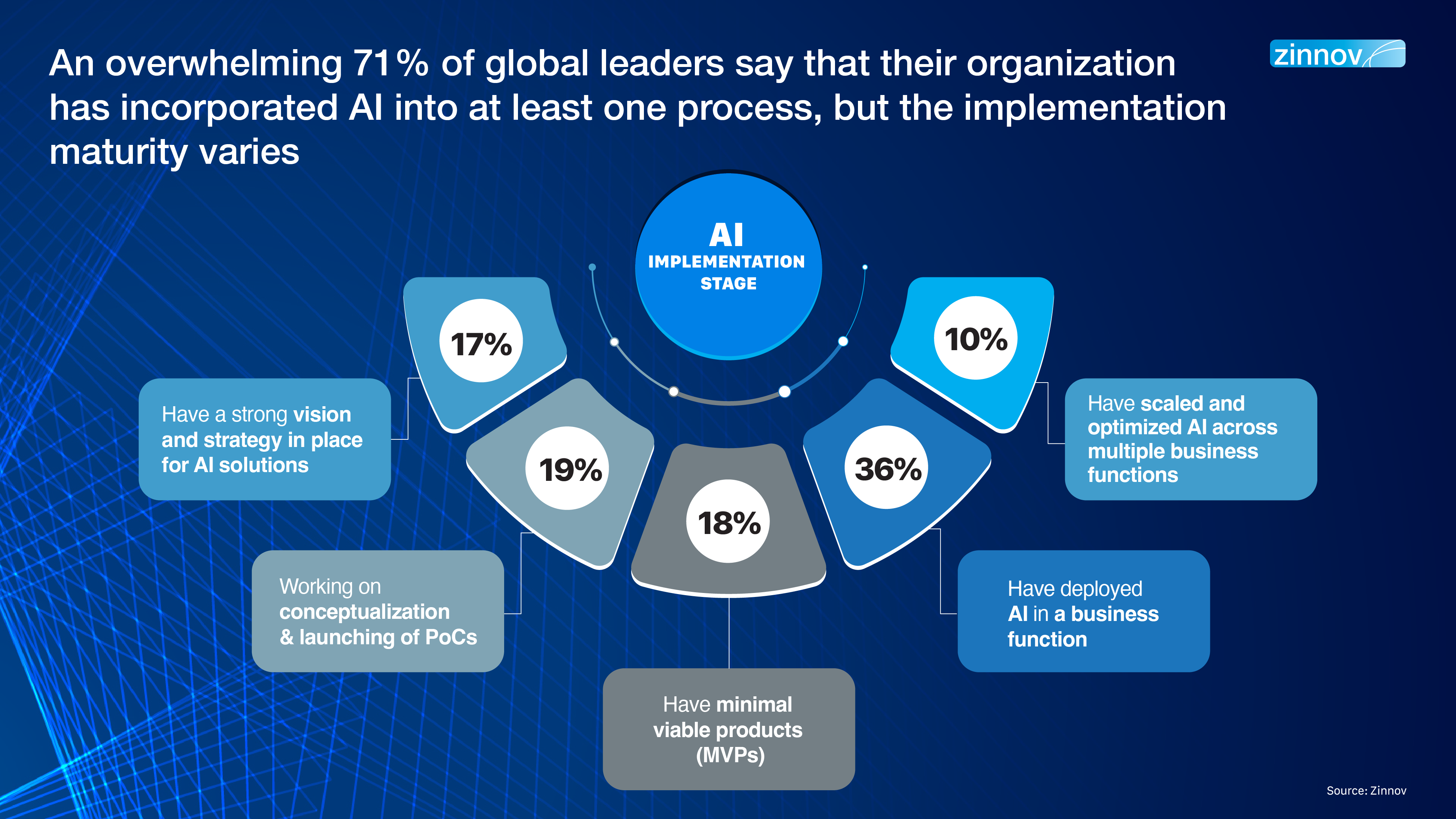
Stanford’s 2026 AI Index economy chapter reports that global corporate AI investment more than doubled in 2025. The same report says 88% of surveyed organizations were using AI in some form, while generative AI appeared in at least one business function at 70% of organizations. Agent deployment, however, remained in the single digits across nearly all business functions. That combination explains the current market: broad adoption, large capital commitments, and many companies still learning how to turn pilots into reliable systems.
What Enterprises Are Actually Paying For
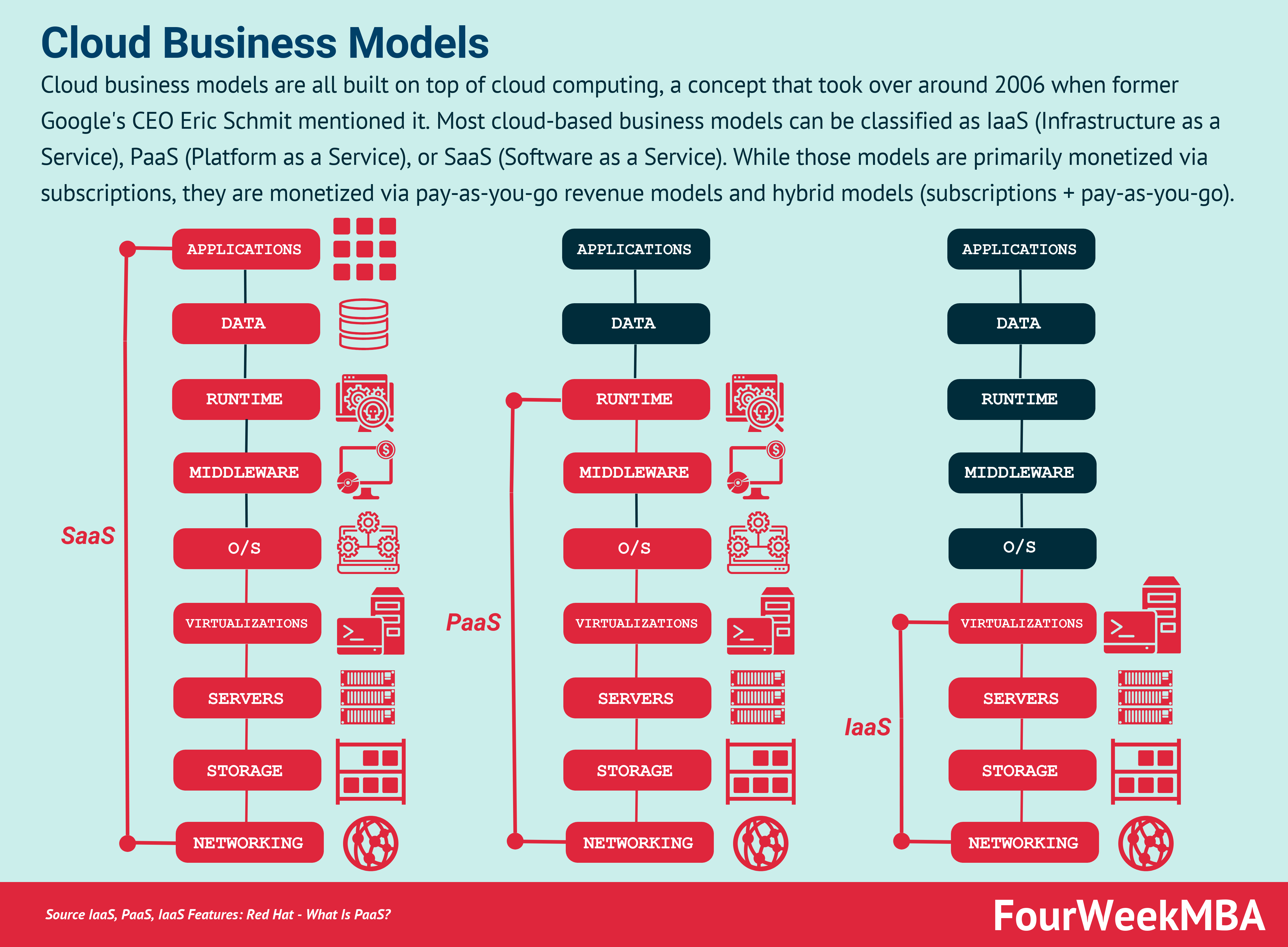
Enterprise AI investment is much broader than model subscriptions. A production system needs data, infrastructure, integration, security, evaluation, employee training, and ongoing operations.
Model and platform access
Organizations pay for foundation-model APIs, enterprise copilots, agent platforms, specialized models, and private or managed deployment options. Cost depends on usage, latency, context size, model capability, and whether workloads need dedicated capacity.
Data infrastructure
AI is only useful when it can access accurate, permissioned information. Companies are investing in data warehouses, document systems, search, metadata, access controls, retrieval layers, and data-quality work.
Compute and cloud infrastructure
Training and serving advanced models requires significant compute. Even companies that do not train frontier models may pay for inference, vector databases, storage, observability, networking, and high-availability infrastructure.
Integration and workflow redesign
Connecting an AI assistant to CRM, support, finance, developer tools, or internal knowledge often requires custom engineering and process changes. The most expensive part of an AI project can be integrating it safely into the business rather than generating the model response.
Governance and security
Enterprises need identity controls, logging, data policies, evaluation, risk review, and incident processes. Stanford’s 2026 responsible AI chapter notes that organizations are formalizing AI governance even as knowledge, budget, and regulatory uncertainty remain common barriers.
Why Investment Accelerated So Quickly
AI moved into existing business software
Employees no longer need a dedicated AI research project to encounter generative AI. Productivity suites, coding tools, CRM systems, support platforms, cloud services, and security products increasingly include AI capabilities. This lowers the adoption barrier.
Model capability improved
Better reasoning, coding, multimodal input, tool use, and longer-context workflows have expanded the number of tasks that can be attempted. The business question has shifted from “Can a model produce text?” to “Can it complete a useful step in a controlled workflow?”
Competitive pressure increased
When competitors reduce support time, automate document processing, or accelerate software development, leadership teams feel pressure to evaluate similar tools. That pressure can be productive, but copying a competitor’s AI program without the same data or operating model rarely works.
Cloud platforms made deployment easier
Managed AI services reduce the need for every company to build model-serving infrastructure from scratch. Enterprises can experiment faster, though this can also create new cost, data-governance, and vendor-dependency questions.
Adoption Does Not Mean Mature ROI
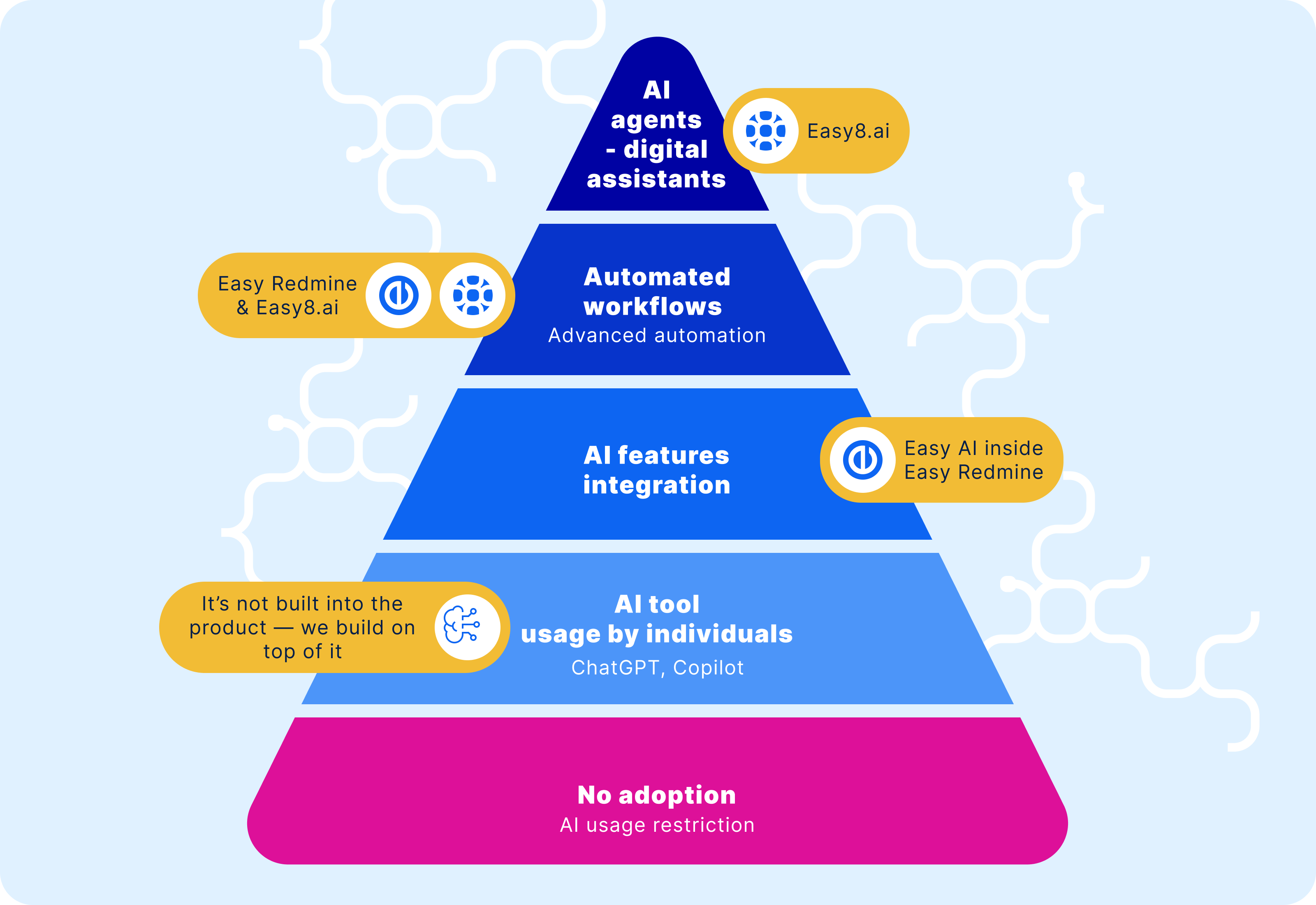
High adoption figures can hide a wide range of maturity. An organization that lets employees use a writing assistant and a company running AI inside a core customer workflow both count as adopters, but their operational impact is very different.
| Stage | Typical activity | What to measure |
|---|---|---|
| Experiment | Individual use and pilots | Task quality, time saved, failure patterns |
| Team deployment | Shared workflow in one function | Cycle time, adoption, review burden, errors |
| Integrated production | AI connected to business systems | Business outcome, reliability, cost, incidents |
| Scaled portfolio | Multiple governed AI systems | Portfolio ROI, governance, shared infrastructure |
This is why an enterprise should not use “number of AI users” as its main success metric. The useful question is whether a workflow becomes faster, cheaper, more accurate, safer, or more valuable to customers after the cost of review and infrastructure is included.
Lessons From Successful Enterprise Deployments
Stanford’s 2026 Enterprise AI Playbook was built from 51 successful deployments and focuses on practical adoption rather than forecasts. A consistent lesson from real implementations is that business process design matters as much as model selection.
Start with a valuable workflow
Choose a problem with measurable cost, delay, or quality issues. A narrow process with clear ownership is easier to evaluate than a broad “AI transformation” initiative.
Use the right level of automation
Some tasks need only summarization or drafting. Others benefit from structured automation or agents. More autonomy should be added only when it solves a problem and the system has reliable controls.
Keep humans in high-impact decisions
Financial changes, security permissions, legal decisions, employment actions, and other sensitive outcomes need stronger validation and accountability than low-risk drafting tasks.
Invest in change management
Employees need training on when to use AI, how to verify outputs, how to protect sensitive data, and how workflows will change. A technically capable system can still fail if no one trusts or understands it.
Where Enterprise AI Can Produce Value
- Software development: code assistance, test generation, documentation, and issue triage.
- Customer operations: case summaries, knowledge retrieval, response drafting, and routing.
- Knowledge work: research, document comparison, meeting follow-up, and internal search.
- Sales and marketing: account preparation, content drafts, segmentation support, and analysis.
- Finance and operations: document extraction, anomaly review, reconciliation assistance, and reporting.
- Security: alert enrichment, incident summaries, identity analysis, and investigation support.
For agent-based workflows, see our AI agent platform comparison. For team-level adoption, our AI productivity platform guide covers workflow measurement and governance.
Common Reasons Enterprise AI Projects Underperform
Poor source data
If the underlying documents, customer records, or product data are outdated, AI can make bad information easier to distribute.
No measurable baseline
Without knowing how long the old process took or how often it failed, teams cannot prove whether AI improved it.
Too much autonomy too early
Giving a new agent broad write access before its behavior is tested can turn normal model errors into operational incidents.
Ignoring review costs
AI may produce a draft quickly but require extensive correction. Measure the full time to approved output.
Buying overlapping platforms
Enterprises can accumulate several assistants that perform similar tasks. Consolidation may improve security, cost visibility, and employee adoption.
Enterprise AI Investment Checklist
- Define a business outcome before choosing a model.
- Measure the current workflow baseline.
- Identify approved data sources and permissions.
- Choose the minimum automation level required.
- Evaluate accuracy using realistic internal tasks.
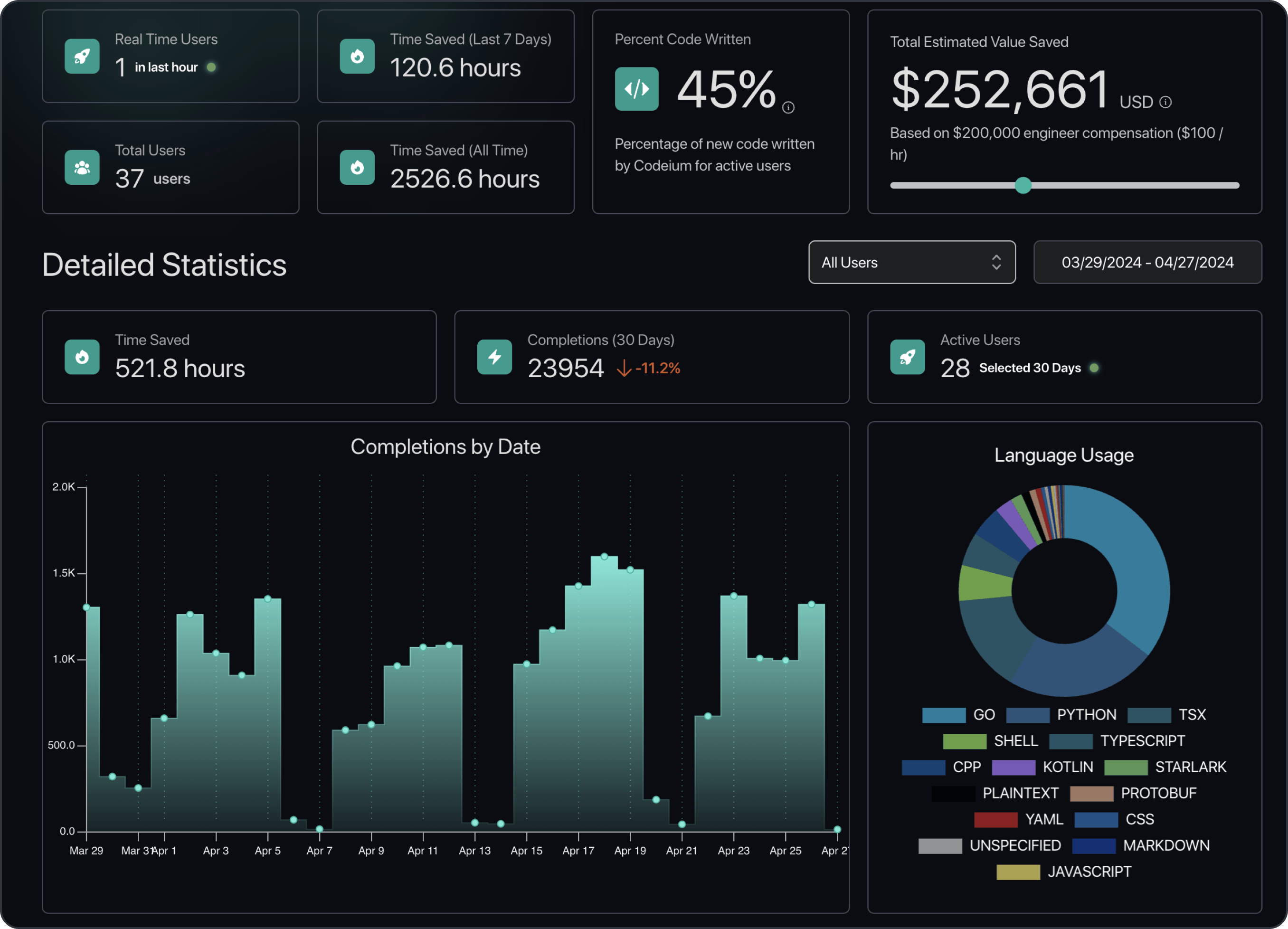
- Track model, infrastructure, integration, and review costs.
- Log important AI and tool actions.
- Require approval for high-impact changes.
- Train employees on verification and data handling.
- Review the project against business metrics after deployment.
Frequently Asked Questions
Are enterprises really investing billions in AI?
Yes. Stanford’s 2026 AI Index reports very large and rapidly growing private and corporate AI investment. However, those totals include model companies, infrastructure, acquisitions, cloud spending, and broader AI activity—not only enterprise software subscriptions.
Does high AI adoption mean most companies have mature AI agents?
No. Stanford reports broad organizational AI and generative-AI adoption, while agent deployment remains much earlier across most business functions. Many companies are still moving from pilots to integrated workflows.
What should companies measure first?
Start with the existing workflow: time, error rate, cost, quality, or customer outcome. Then measure the same metric after AI is introduced, including human review and infrastructure costs.
Conclusion
Enterprise AI investment is accelerating because the technology is moving into real business workflows, but spending and value are not the same thing. The companies most likely to benefit are those that connect AI to a measurable process, prepare their data and permissions, test against realistic cases, and increase automation gradually.
In 2026, the competitive advantage is not simply having access to powerful models. It is building a reliable operating system around them: good data, useful workflows, secure integration, evaluation, governance, and employees who know when human judgment still matters.