Cloud hosting has transformed how websites are built, managed, and scaled. Years ago, most businesses relied on shared hosting or dedicated servers because they were affordable and simple to set up. Today, user expectations have changed. Visitors expect websites to load in seconds, remain available 24/7, and handle sudden traffic spikes without slowing down. Traditional hosting often struggles to meet these demands without expensive hardware upgrades or server migrations.
Cloud hosting solves this challenge by distributing website resources across multiple connected servers instead of relying on a single physical machine. If one server experiences an issue, another server can immediately take over, keeping the website online. This architecture improves performance, reliability, and flexibility while reducing the risk of downtime.
According to Gartner, public cloud spending continues to grow as organizations move more workloads to cloud environments to improve scalability, resilience, and operational efficiency. Likewise, Flexera reports in its annual State of the Cloud survey that cloud adoption remains a top priority for businesses of every size.
Whether you run a personal blog, an eCommerce store, a SaaS application, or a corporate website, cloud hosting has become the preferred foundation for delivering fast, reliable, and secure online experiences.
The Shift from Traditional Hosting to Cloud Hosting
The internet has changed dramatically over the last decade. Websites are no longer simple collections of static pages. They power online stores, business applications, customer portals, streaming platforms, and AI-driven services. These modern workloads require infrastructure that can adapt quickly to changing demand.
Traditional hosting was designed around a single server. Every website depended on that server’s CPU, memory, and storage. When traffic increased beyond its capacity, performance declined. If the hardware failed, the website often became unavailable until the issue was resolved.
Cloud hosting approaches this differently. Instead of relying on one machine, it spreads workloads across multiple interconnected servers. Computing resources are shared across the network, allowing websites to continue operating even if one server experiences a problem.
Consider an online clothing retailer during a major festive sale. Under traditional hosting, a sudden flood of visitors could overload the server, causing slow product pages and failed checkouts. With cloud hosting, additional computing resources are automatically allocated, helping customers continue browsing and completing purchases without interruption.
This flexibility has made cloud hosting the preferred choice for businesses that cannot afford downtime or poor user experiences. Startups, educational platforms, news websites, healthcare providers, financial services, and eCommerce businesses all benefit from infrastructure that grows with their needs rather than limiting them.
The transition to cloud hosting is not simply about adopting new technology. It is about ensuring that websites remain reliable, responsive, and ready for future growth.
Better Performance and Faster Website Speed
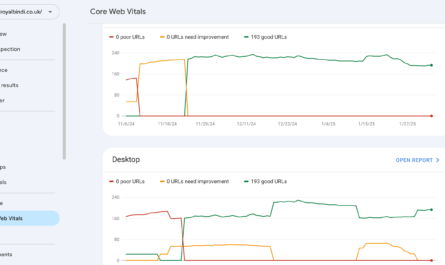
Website speed has a direct impact on user satisfaction, search engine rankings, and business revenue. Research from Google Search Central highlights that page experience and Core Web Vitals are important signals for delivering a better user experience, while faster websites generally encourage visitors to stay longer and interact more with content.
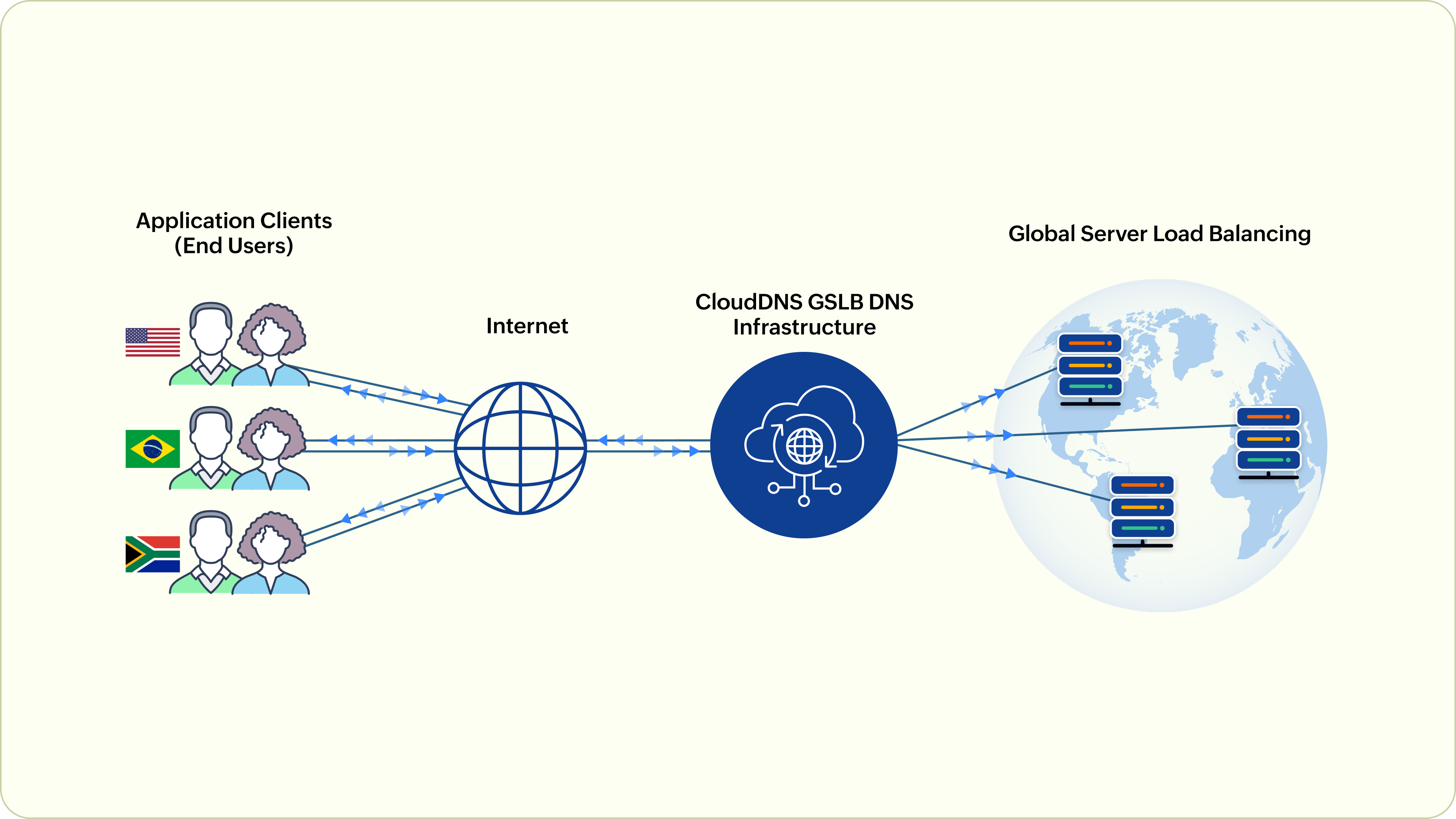
Cloud hosting improves website performance in several practical ways. Because resources are distributed across multiple servers, traffic is balanced more efficiently. Many cloud providers also combine SSD storage, advanced caching, Content Delivery Networks (CDNs), and globally distributed data centers to reduce loading times.
Imagine a software company serving customers in India, Europe, and North America. If the website operates from a single server in one country, visitors located thousands of miles away may experience higher latency. Cloud hosting allows content to be delivered from infrastructure closer to each visitor, reducing delays and creating a smoother browsing experience.
Performance gains become even more noticeable during periods of heavy traffic. For example, a travel booking website launching a limited-time holiday promotion may suddenly receive thousands of simultaneous searches. Rather than slowing down or crashing, cloud infrastructure distributes requests across multiple servers to maintain stable performance.
Businesses that migrate to cloud hosting often experience measurable improvements such as:
- Faster page loading times
- Lower server response times
- Improved website responsiveness during peak traffic
- Better customer experience
- Reduced bounce rates
These improvements are valuable because every second matters. A fast website not only keeps visitors engaged but also increases the likelihood that they will complete purchases, submit inquiries, or return in the future.
Scalability That Matches Business Growth
One of the biggest advantages of cloud hosting is its ability to scale resources almost instantly. Business growth rarely happens in a straight line. A company may receive steady traffic for months and suddenly experience a massive surge because of a successful marketing campaign, product launch, or viral social media post.
Traditional hosting often requires manual server upgrades, hardware replacements, or even migrating the website to a larger server. These processes can be time-consuming and may involve planned downtime.
Cloud hosting removes much of this complexity by allowing businesses to increase or decrease computing resources whenever demand changes. Instead of paying for expensive infrastructure that remains unused for most of the year, organizations can allocate additional resources only when needed.
A practical example is a startup launching a new mobile application. During development, only a few hundred users visit the website daily. After the app is featured by a popular technology publication, daily visitors suddenly increase into the hundreds of thousands. Without scalable infrastructure, the website could become unavailable at the exact moment the business gains valuable exposure.
Cloud hosting automatically provisions additional CPU, memory, and storage to accommodate this increased demand, allowing the website to remain responsive while traffic remains high.
Scalability also benefits seasonal businesses. An online learning platform may experience significant traffic before examinations but relatively low activity during school holidays. Rather than maintaining expensive infrastructure year-round, cloud hosting allows resources to expand during busy periods and shrink afterward, helping control operational costs.
This flexibility enables organizations to focus on innovation, customer experience, and business growth instead of worrying about hardware limitations or unexpected traffic spikes.
Higher Reliability and Maximum Uptime
A website is valuable only when people can access it. Whether you run an online store, a business website, or a membership platform, every minute of downtime can result in lost revenue, frustrated customers, and damage to your reputation.
Traditional hosting stores your website on a single server. If that server suffers a hardware failure, power outage, or network issue, your website may become unavailable until the problem is fixed. Depending on the severity of the issue, recovery could take minutes or even hours.
Cloud hosting is designed to reduce this risk. Instead of relying on one machine, it distributes your website across multiple servers located within a cloud infrastructure. If one server fails, another automatically continues serving your website with little or no interruption.
This redundancy is one of the biggest reasons businesses have moved toward cloud infrastructure.
Many leading cloud providers also build their services across multiple availability zones and geographic regions. This means that even if an entire data center experiences an outage, workloads can often continue running from another location.
For example, imagine an online ticket booking platform during a major sporting event. Thousands of customers try to purchase tickets at the same time. If one server develops a hardware fault, cloud hosting redirects traffic to healthy servers without users noticing the change.
According to Uptime Institute, outages can be extremely costly for businesses, especially those that depend heavily on online services. Investing in highly available infrastructure is often far less expensive than dealing with the financial impact of extended downtime.
Many reputable cloud hosting providers also publish Service Level Agreements (SLAs) that guarantee uptime of 99.9% or higher under normal operating conditions. While no provider can promise 100% availability forever, cloud architecture significantly reduces the likelihood of prolonged outages.
From a business perspective, higher uptime means:
- Customers can access your website whenever they need it.
- Sales continue during peak shopping periods.
- Search engines are less likely to encounter unavailable pages.
- Your support team spends less time responding to downtime-related issues.
In practical terms, reliability isn’t just a technical feature—it directly affects customer trust and long-term business success.
Stronger Security and Data Protection
Cybersecurity has become one of the biggest concerns for website owners. Threats such as ransomware, malware, distributed denial-of-service (DDoS) attacks, and data breaches continue to evolve every year. Protecting websites now requires more than installing a basic firewall.
Cloud hosting providers invest heavily in security because they protect millions of customer workloads simultaneously. While website owners remain responsible for securing their applications, the cloud infrastructure itself often includes several built-in security layers.
These commonly include encrypted data transmission, network firewalls, identity and access management, continuous monitoring, automated backups, and DDoS mitigation services.
For example, a small business running an online store may not have an in-house cybersecurity team. By choosing a trusted cloud hosting provider, the business gains access to enterprise-grade security technologies that would otherwise be difficult or expensive to implement independently.
Security also extends to data protection.
Imagine a website owner accidentally deletes important customer information or experiences a software failure after installing an update. With automated cloud backups, restoring the website usually takes far less time than rebuilding everything manually.
Organizations such as National Institute of Standards and Technology (NIST) recommend using layered security controls because no single defense can stop every cyber threat. Leading cloud platforms are designed around this principle, combining multiple security measures rather than relying on one protective technology.
Website owners can further strengthen security by following best practices:
- Enable multi-factor authentication for administrator accounts.
- Keep software, plugins, and themes updated.
- Use strong, unique passwords.
- Schedule automatic backups.
- Limit administrator access to trusted users.
- Monitor login activity regularly.
Cloud hosting provides a strong security foundation, but maintaining a secure website is still a shared responsibility between the hosting provider and the website owner.
Cost Efficiency Without Compromising Performance
Many people assume cloud hosting is always more expensive than traditional hosting. In reality, the total cost depends on how your website uses resources.
Traditional hosting often requires businesses to purchase server capacity based on future growth. As a result, companies frequently pay for computing power that remains unused most of the year.
Cloud hosting follows a different approach. Many providers offer flexible pricing models where customers pay only for the computing resources they actually consume. This makes it easier to control infrastructure costs while still having access to additional capacity whenever demand increases.
Consider an online retailer preparing for a holiday shopping season. During normal months, moderate computing resources are enough to serve customers. During major sales events, additional processing power can be added temporarily. Once traffic returns to normal, those extra resources can be removed, reducing ongoing expenses.
This elasticity allows businesses to align infrastructure spending with actual business activity rather than worst-case planning.
Cloud hosting can also reduce indirect costs.
Businesses spend less time maintaining physical hardware, replacing failed components, or managing complex server upgrades. Internal IT teams can focus on improving applications instead of maintaining infrastructure.
According to Flexera, organizations continue to prioritize cloud cost optimization as cloud usage grows, using monitoring tools and resource management strategies to reduce unnecessary spending.
It’s important to remember that cloud hosting is not automatically the cheapest option for every website. A small personal blog with minimal traffic may operate perfectly well on basic shared hosting. However, for businesses expecting growth, seasonal traffic spikes, or mission-critical availability, the flexibility and efficiency of cloud hosting often provide better long-term value than repeatedly upgrading traditional servers.
For many organizations, the real return on investment comes not only from lower infrastructure costs but also from improved uptime, stronger security, faster performance, and the ability to grow without major technical obstacles.
Why Developers and Businesses Prefer Cloud Hosting
Cloud hosting is no longer just an IT decision. It has become a business strategy that helps teams develop, deploy, and improve websites more efficiently. Developers appreciate the flexibility of cloud platforms, while business owners value the stability and room for growth they provide.
Modern cloud platforms support automation, making it easier to launch new applications or update existing ones. Instead of manually configuring servers, developers can deploy code, test new features, and scale applications using built-in tools. This shortens development cycles and reduces the risk of human error.
Take the example of a growing SaaS company. The development team may release software updates several times each week. On a traditional server, updates could require planned maintenance and manual configuration. On a cloud platform, automated deployment pipelines allow updates to roll out with minimal interruption, helping customers continue using the service while improvements are released.
Cloud hosting also works well with popular technologies such as containers, Kubernetes, serverless computing, and DevOps workflows. These tools help teams build applications that are easier to maintain and expand as customer needs change.
Businesses benefit just as much. Marketing teams can launch campaigns without worrying about traffic limits, customer support teams experience fewer complaints about slow websites, and management gains confidence knowing the infrastructure can grow alongside the company.
A practical example is an online education platform introducing live classes. During enrollment periods, thousands of students may access the website simultaneously. Cloud hosting automatically allocates additional resources to support registrations, payments, and video sessions, ensuring a smooth experience for learners.
According to CNCF (Cloud Native Computing Foundation), cloud-native technologies continue to see widespread adoption because they help organizations build applications that are more resilient, scalable, and easier to manage.
The popularity of cloud hosting reflects a broader shift in how businesses think about technology. Instead of investing heavily in hardware, organizations increasingly invest in flexible infrastructure that supports innovation and long-term growth.
Choosing the Right Cloud Hosting Provider
Not every cloud hosting provider offers the same features, pricing, or level of support. Choosing the right provider depends on your website’s goals, expected traffic, technical expertise, and budget.
A personal blog has very different requirements from a large online marketplace. Before comparing providers, it’s important to understand what your website needs today and how those needs may change over the next few years.
When evaluating a provider, look beyond the monthly price. Reliability, security, support, scalability, and performance often have a much greater impact on your website’s success.
Some of the world’s most widely used cloud platforms include Amazon Web Services (AWS), Microsoft Azure, Google Cloud, and managed cloud hosting companies such as DigitalOcean and Cloudways. Each serves different types of users, from beginners to enterprise organizations.
Before making a decision, ask practical questions:
- Will the provider allow easy scaling as traffic grows?
- What uptime guarantee is included in the Service Level Agreement?
- Are automatic backups included?
- Does customer support operate 24/7?
- Which security features are included by default?
- Is pricing easy to understand, or are there hidden usage charges?
- Can you easily migrate your website later if needed?
A small business owner launching an online store, for example, may value managed services and responsive customer support more than advanced infrastructure controls. On the other hand, a software company with experienced developers may prefer greater customization and direct access to cloud resources.
Reading recent customer reviews, testing support responsiveness, and using free trial periods can provide valuable insights before committing to a long-term hosting plan.
Choosing the right provider is less about selecting the biggest name and more about finding the platform that matches your technical requirements, budget, and future growth plans.
Conclusion
Cloud hosting has become the standard for modern websites because it addresses the challenges that businesses face every day. Faster performance, high availability, flexible scaling, stronger security, and cost-efficient resource management make it a practical solution for websites of all sizes.
While traditional hosting still serves many small projects well, today’s online businesses often require infrastructure that can adapt quickly to changing traffic, customer expectations, and evolving security threats. Cloud hosting provides that flexibility without requiring constant hardware upgrades or complex server management.
The most important takeaway is that choosing cloud hosting is not simply about following a technology trend. It is about creating a reliable foundation that supports long-term growth, delivers a better experience for visitors, and allows businesses to focus on serving customers instead of managing infrastructure.
As digital services continue to expand, cloud hosting is likely to remain the preferred choice for organizations that value performance, resilience, and the ability to scale with confidence.