 by
by Green web hosting is often described with simple labels such as “100% renewable,” “carbon neutral,” or “eco-friendly.” Those claims can be useful starting points, but they do not tell the whole story. A website ultimately runs on physical data centers that consume electricity, require cooling and networking, use manufactured hardware, and operate within regional power grids.

Interest in this topic is growing because data-center electricity demand is rising. The International Energy Agency’s Electricity 2026 report identifies data centers as one of the sources contributing to growing electricity consumption. A responsible hosting comparison should therefore look for evidence, efficiency, transparency, and good technical operation—not only a green badge.
What “Green Web Hosting” Can Mean
Providers use several approaches to support sustainability claims. They are not all equivalent, and terminology varies by country and electricity market.
Renewable electricity supply
A data center may operate in a region with a relatively clean electricity mix or contract directly for renewable power. The quality and timing of evidence matter because electricity grids change throughout the day and year.
Renewable energy certificates or contractual instruments
Some providers purchase certificates or other market instruments representing renewable generation. These can support renewable procurement claims, but buyers should understand what the instrument demonstrates and whether the provider publishes evidence.
Carbon offsets
Offsets finance projects intended to compensate for emissions elsewhere. They are different from reducing the electricity or embodied emissions associated with the hosting operation itself. A provider that relies heavily on offsets should explain the methodology and quality criteria.
Operational efficiency
Efficient servers, cooling, virtualization, storage, and capacity management can reduce the electricity required for a given amount of computing work. Sustainability is therefore not only about the source of electricity.
Why Verification Matters

Hosting customers usually cannot inspect a provider’s power contracts or data-center operations directly. Independent evidence can make claims easier to assess. The Green Web Foundation publishes the evidence it accepts from providers seeking verification in its dataset.
Verification criteria can evolve as energy markets and reporting practices improve. That is a useful reminder to check the current status rather than relying on an old blog badge or screenshot.
Questions to ask a green hosting provider
- Which data centers or infrastructure providers host customer workloads?
- What evidence supports renewable or low-carbon electricity claims?
- How often is that evidence updated?
- Does the claim apply to all locations or only selected facilities?
- Are offsets used, and if so, for which emissions?
- Does the provider publish energy or emissions information?
- Is there independent verification?
Performance and Sustainability Are Not Opposites

A sustainable hosting provider can perform just as well as a conventional one because website speed depends on architecture and operations rather than whether the company purchases renewable electricity. CPU capacity, storage, database performance, caching, network connectivity, CDN use, and software optimization remain the practical performance factors.
| Hosting quality | Performance value | Sustainability value |
|---|---|---|
| Efficient caching | Faster responses and less origin load | Reduces repeated compute work |
| Right-sized servers | Predictable capacity | Avoids unnecessary idle resources |
| Optimized images | Faster page loads | Reduces data transfer |
| Modern hardware | More performance per server | Can improve energy efficiency, balanced against hardware lifecycle |
| CDN delivery | Lower latency for distant users | May reduce repeated long-distance origin traffic, depending on architecture |
The best sustainability improvements often align with good engineering: perform less unnecessary work, transfer less unnecessary data, and keep infrastructure appropriately utilized.
Data-Center Location Still Matters
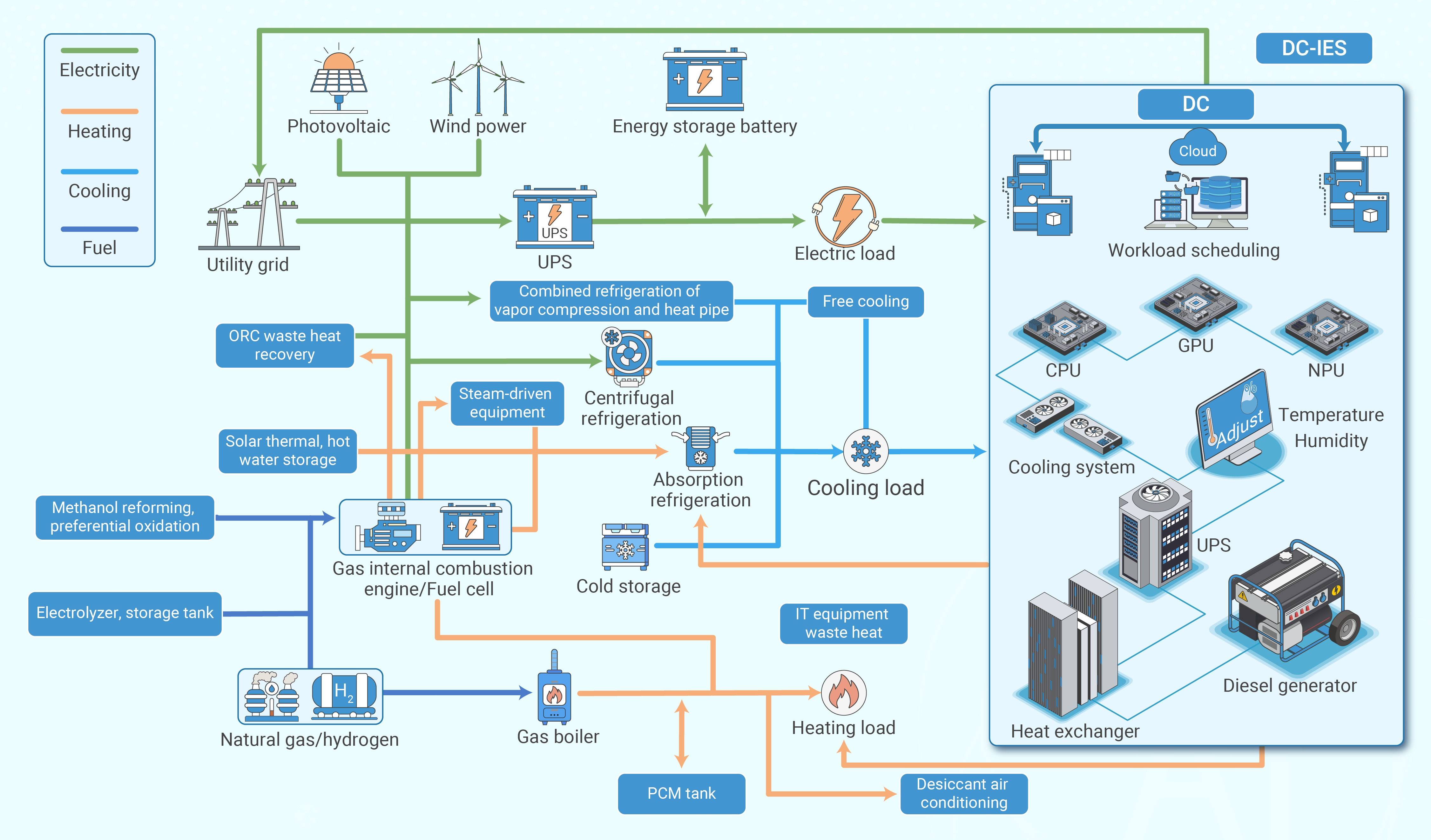
Electricity generation varies by region. A data center in a grid with abundant low-carbon generation may have a different operational emissions profile than one running in a fossil-heavy grid. Location also affects performance because network distance matters.
The IEA maintains updated data-centre energy findings that provide context for electricity demand. Buyers do not need to become energy-market experts, but providers making strong sustainability claims should be able to explain where and how their infrastructure is powered.
Do Not Ignore Reliability and Security
A hosting provider is not a good choice merely because it has strong sustainability credentials. Websites still need backups, secure accounts, supported software, monitoring, and reliable recovery.
Minimum operational checklist
- Supported server software and regular security maintenance.
- MFA for customer hosting accounts where available.
- Automatic backups with clear retention.
- Documented restore processes.
- Transparent resource limits.
- Uptime and incident communication.
- Suitable regions and CDN options for your audience.
- Export/migration options so the site is not trapped.
For performance considerations, see our guide on hosting and Core Web Vitals.
How Website Owners Can Reduce Digital Waste

The hosting company is only one part of a website’s footprint. Publishers and developers can reduce unnecessary processing and transfer through normal performance work.
- Resize and compress images before serving them.
- Remove unused scripts, plugins, and tracking tags.
- Cache public content effectively.
- Delete abandoned staging sites and test environments.
- Clean obsolete backups according to a retention policy.
- Avoid autoplaying heavy media without a user need.
- Keep pages focused instead of loading components that do not help readers.
These changes can improve user experience at the same time. Sustainable web design is strongest when it aligns with usability rather than forcing a trade-off.
Green Hosting Claims to Treat Carefully
“Zero impact”
Running digital infrastructure still requires equipment and electricity. A credible provider should describe reductions, procurement, or compensation rather than imply that physical infrastructure has no environmental impact.
Old verification badges
Check whether a certification or listing is current. The Green Web Foundation, for example, periodically reverifies provider evidence and updates its dataset.
Unexplained carbon-neutral claims
Look for a methodology, scope, reporting period, and information about whether the claim relies on reductions, renewable procurement, offsets, or a combination.
Green Web Hosting Buyer Checklist
- Verify the provider’s sustainability claim from a current source.
- Identify the relevant data-center locations.
- Review renewable electricity or emissions evidence.
- Understand any use of offsets.
- Compare normal hosting fundamentals: speed, uptime design, security, backups, support, and price.
- Choose resources that match actual site demand.
- Use caching, optimized media, and a CDN where appropriate.
- Review sustainability evidence again at renewal time.
For sites that need flexible infrastructure, our guide to cloud hosting explains how architecture and scaling should be evaluated separately from marketing labels.
Frequently Asked Questions
Is green hosting slower?
No inherent technical reason makes renewable-powered hosting slower. Performance depends on servers, networking, software, caching, capacity, and location. Evaluate actual performance just as you would with any host.
Does buying renewable energy make a data center emissions-free?
Not necessarily. Electricity procurement is one part of the picture. Hardware manufacturing, construction, backup power, cooling, grid timing, and other lifecycle factors can also contribute to emissions.
How can I verify a provider’s claim?
Look for current provider disclosures, independent verification, and evidence explaining the energy source or procurement method. The Green Web Foundation’s dataset is one independent resource, but buyers should still understand what a specific verification means.
Conclusion
Green web hosting can combine strong performance with lower-impact electricity and more efficient infrastructure. The key is to look beyond slogans. Ask for current evidence, understand what the provider is claiming, and compare sustainability alongside security, backups, support, performance, and cost.
Website owners also have influence. Efficient pages, optimized media, useful caching, and right-sized infrastructure reduce unnecessary digital work. A sustainable hosting strategy is most credible when transparent energy choices and good engineering reinforce each other.