How AI Productivity Platforms Are Redefining Team Performance in 2026

Artificial intelligence is no longer just a tool for writing emails or generating ideas. In 2026, it has become an important part of how modern teams work every day. Businesses now use AI productivity platforms to manage projects, summarize meetings, automate repetitive tasks, analyze business data, and improve collaboration across departments.

Instead of replacing people, these platforms help employees spend less time on routine work and more time solving problems, making decisions, and creating value.

Recent research supports this shift. According to Microsoft’s 2026 Work Trend Index, organizations are entering a new phase where employees increasingly work alongside AI agents rather than using AI only as a chatbot or writing assistant. The report highlights that businesses adopting AI-first workflows are redesigning how work gets done instead of simply adding another software tool.

Whether you lead a small startup or manage a global enterprise, understanding how AI productivity platforms are changing team performance can help you prepare for the future of work. This guide explores the latest trends, practical use cases, real-world examples, and best practices that organizations are using successfully in 2026.

Why AI Productivity Platforms Have Become Essential

Just a few years ago, productivity software focused mainly on organizing work. Teams used separate tools for project management, communication, document creation, and reporting. Employees often spent a large part of their day switching between applications, searching for files, writing meeting notes, or updating project status manually.

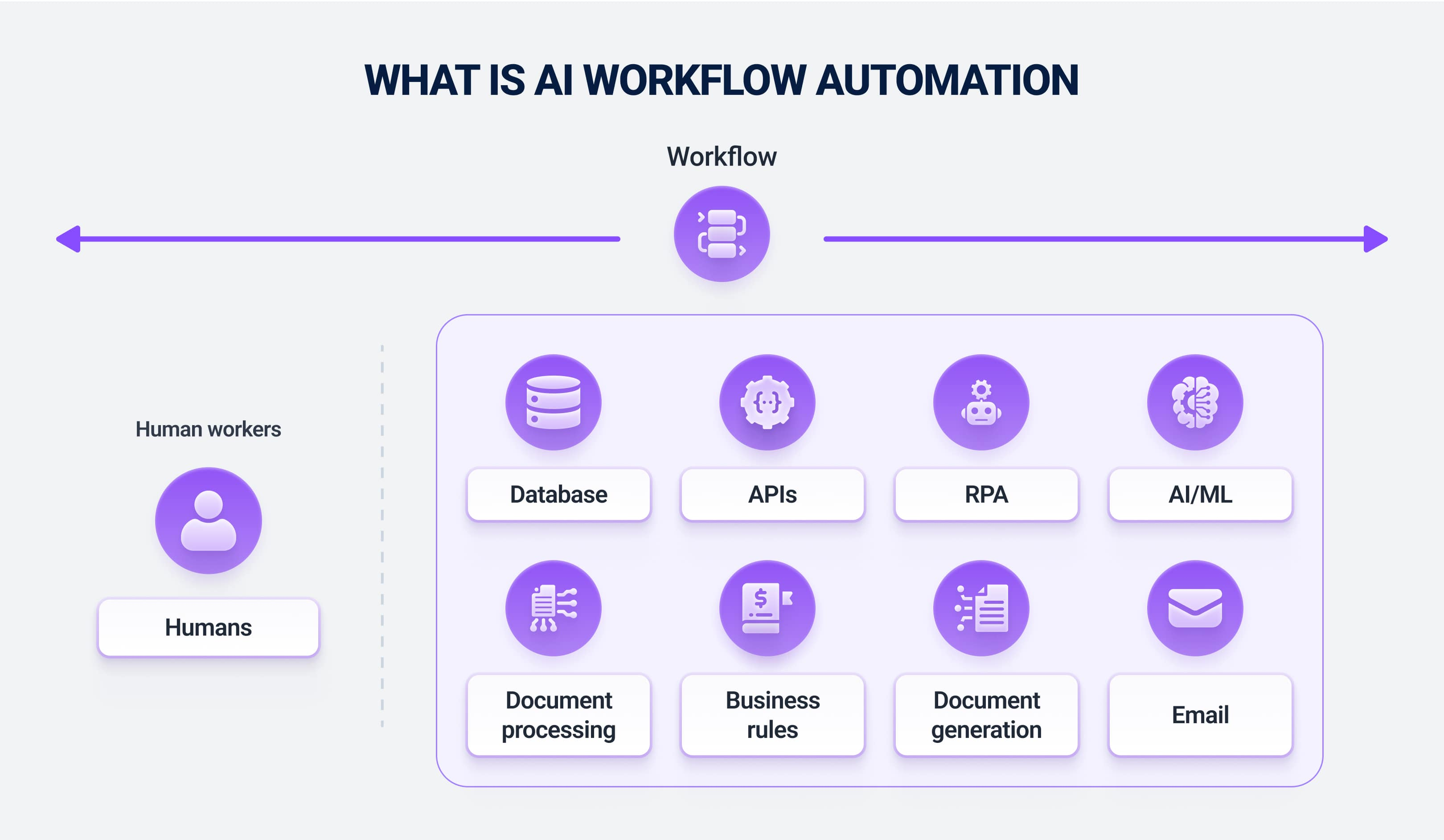
AI productivity platforms have changed that model completely. Instead of acting as passive software, they actively participate in daily work. A single AI platform can summarize meetings, draft reports, answer questions about company documents, automate workflows, create presentations, analyze spreadsheets, and even coordinate tasks between different applications.

Leading platforms such as Microsoft 365 Copilot, Google Workspace with Gemini, Notion AI, Slack AI, and Asana AI are now designed to work across multiple business processes instead of handling only one task. Their goal is simple: reduce repetitive work so employees can focus on activities that require human judgment.

One of the biggest reasons organizations are investing in AI productivity platforms is the growing amount of information employees must process every day. Teams receive hundreds of emails, chat messages, documents, meeting invitations, and project updates each week. AI helps organize this information and presents only what matters, reducing information overload.

Microsoft’s latest Work Trend Index explains that businesses are moving toward “Frontier Firms,” where AI performs routine execution while employees concentrate on strategic thinking, creativity, and decision-making. This represents one of the most significant workplace shifts since cloud computing transformed office collaboration.

Consider a product marketing team preparing for a software launch. Traditionally, team members would collect campaign metrics, compile customer feedback, create reports, prepare presentations, and schedule meetings manually. Today, an AI productivity platform can gather data from multiple sources, generate the first draft of reports, summarize customer comments, recommend improvements based on analytics, and even prepare presentation slides. Team members spend their time reviewing insights and making better business decisions rather than creating documents from scratch.

How AI Is Changing Daily Team Collaboration

Modern workplaces rarely operate from a single office. Teams collaborate across different cities, countries, and time zones, making communication one of the biggest productivity challenges.

AI productivity platforms are solving this problem by making information easier to find and easier to understand. Instead of asking colleagues for updates or reading long message threads, employees can ask AI for a summary of project progress, recent discussions, or pending action items.

Imagine a software company with developers in India, designers in Europe, and product managers in the United States. During the day, dozens of meetings, code updates, customer discussions, and project changes take place.

The next morning, instead of reading hundreds of Slack messages or emails, a project manager simply asks the AI assistant:

“What happened yesterday on Project Orion?”

Within seconds, the AI provides a concise summary that includes completed tasks, unresolved issues, meeting outcomes, deadlines, and recommended next steps.

This simple workflow saves valuable time every day while ensuring everyone works from the same information.

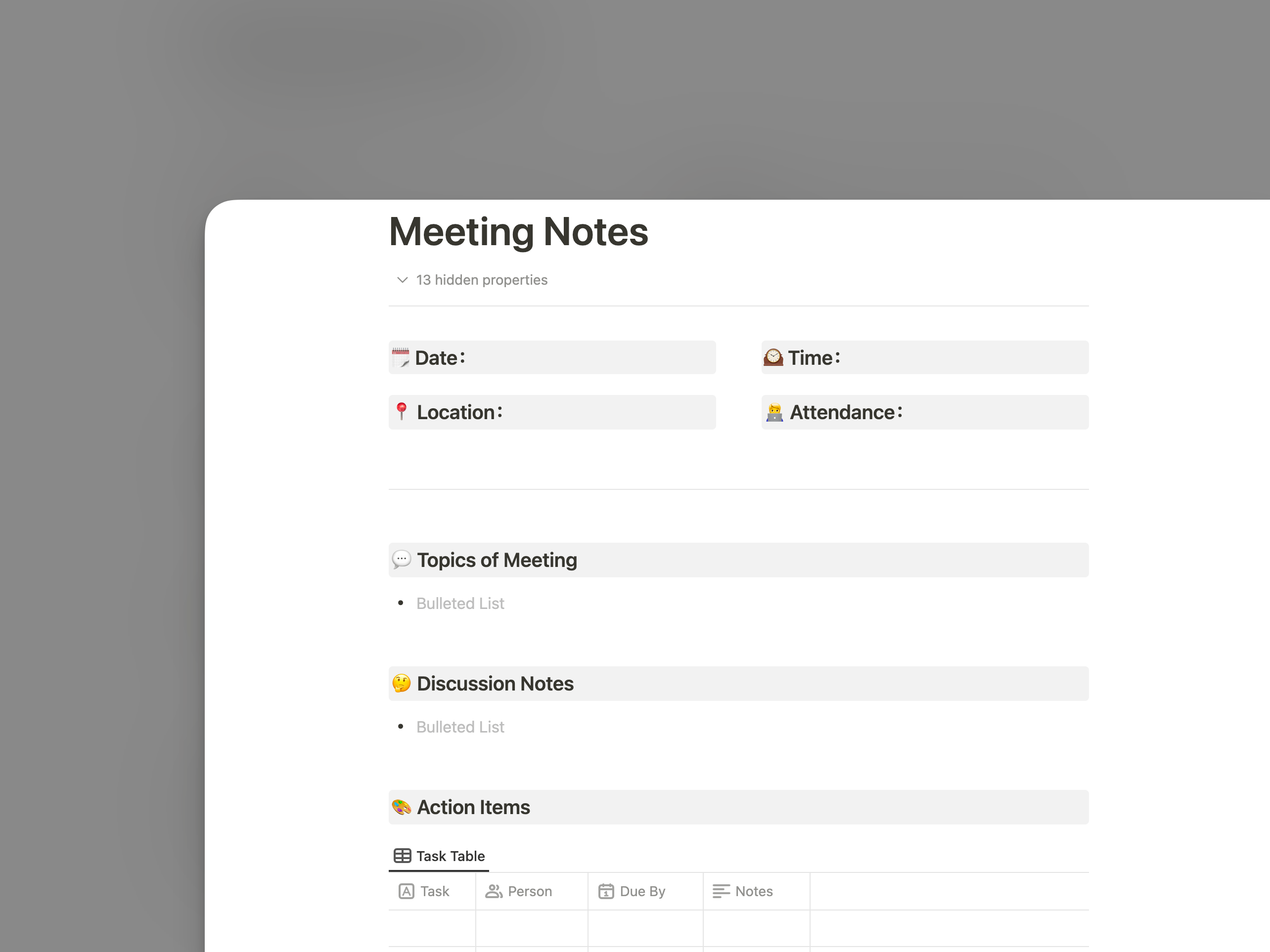
AI is also improving meetings themselves. Instead of assigning someone to take notes, modern meeting assistants automatically:

  • Generate accurate meeting summaries
  • Capture action items
  • Identify decisions that were made
  • Assign tasks to team members
  • Share follow-up notes with participants

According to Microsoft’s research, organizations that successfully integrate AI into collaboration spend less time searching for information and more time making informed decisions. This shift improves both productivity and employee satisfaction because workers can focus on meaningful work rather than administrative tasks.

Real-world experience shows another important benefit. Teams that rely on AI-generated summaries are less likely to miss important discussions when employees are traveling, working remotely, or joining meetings across different time zones. The result is better alignment without increasing the number of meetings.

The Rise of AI Agents Instead of Simple Assistants

The first generation of workplace AI mainly answered questions or generated text after receiving a prompt. While useful, these assistants still depended on people to tell them exactly what to do.

In 2026, AI productivity platforms are moving beyond assistants toward autonomous AI agents.

An AI agent is designed to complete an entire workflow instead of performing a single task. It understands objectives, carries out multiple connected actions, checks progress, and reports results while keeping people in control of important decisions.

For example, imagine a sales operations team receiving a new enterprise lead through its website.

Instead of asking employees to complete every step manually, an AI agent can automatically research the company, qualify the lead using predefined rules, create a customer profile, update the CRM system, prepare background information for the sales representative, schedule an introductory meeting, and notify the team when everything is ready.

What once required several employees and multiple software tools can now happen in minutes with minimal manual effort.

Research from McKinsey & Company shows that AI adoption continues to grow rapidly across industries, with most organizations now using AI in at least one business function. Many companies have also begun experimenting with AI agents that automate complete business processes rather than isolated tasks.

Microsoft’s latest research describes this transformation as a move from AI-assisted work toward organizations where employees supervise networks of AI agents that handle routine execution. Rather than replacing workers, these agents allow people to spend more time building relationships, solving complex problems, and making strategic decisions.

This evolution represents a major change in how businesses think about productivity. Instead of asking, “How can AI help me complete this task?” organizations increasingly ask, “Which parts of this workflow should AI handle automatically so our team can focus on work that creates the most value?”

Measuring Productivity Beyond Hours Worked

For many years, companies measured productivity by looking at hours worked, tasks completed, or the number of meetings attended. Those metrics no longer tell the whole story. In 2026, successful organizations are focusing on outcomes instead of activity.

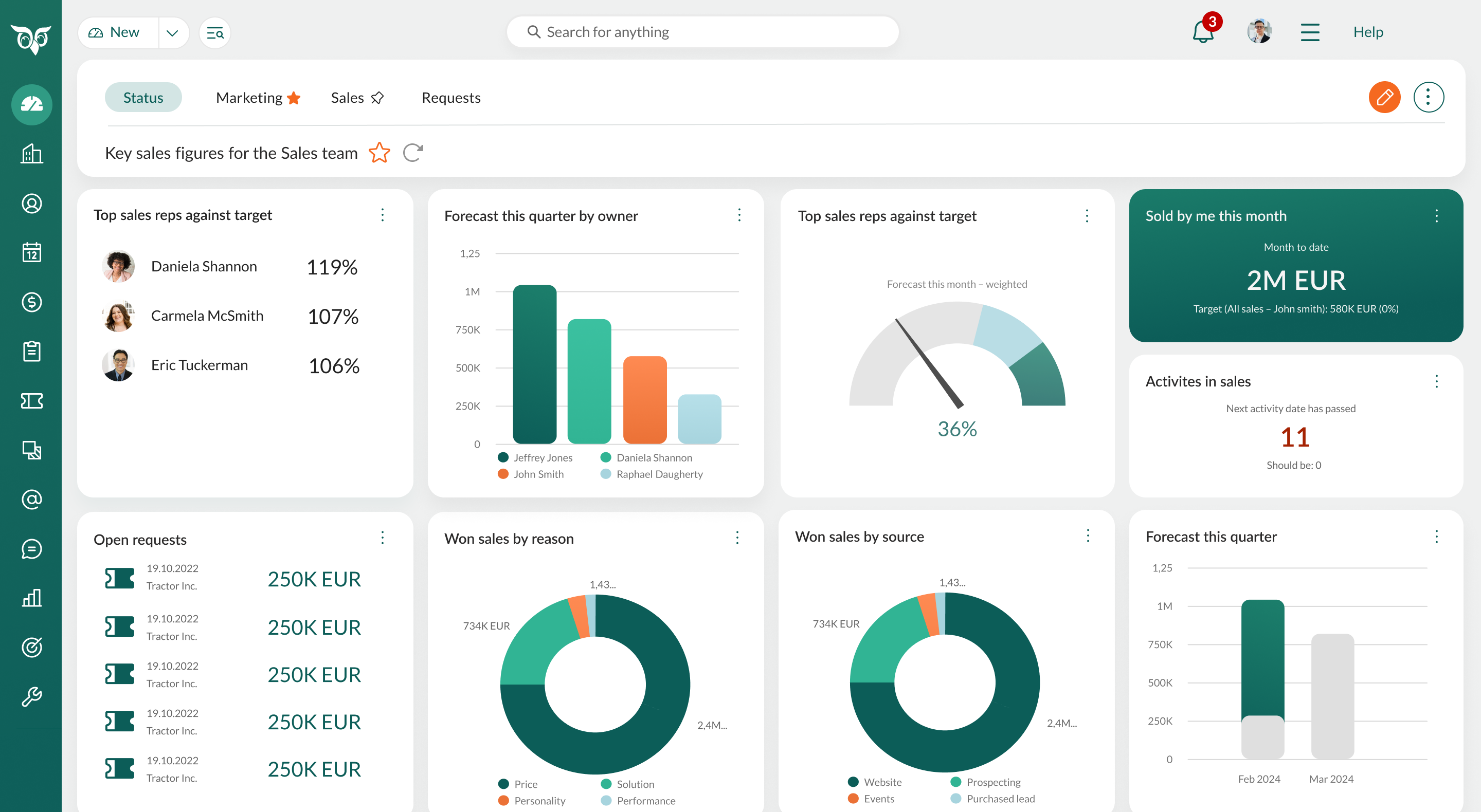
AI productivity platforms make this possible because they can track how work moves through an organization. Managers can see where projects slow down, which tasks consume the most time, and where automation delivers the biggest improvements. Rather than rewarding employees for being busy, businesses are beginning to reward teams for delivering meaningful results.

Take a customer support team as an example. In the past, success might have been measured by the number of support tickets handled each day. Today, AI can analyze customer conversations, identify recurring issues, suggest better responses, and even resolve simple requests automatically. The support team spends more time helping customers with complex problems, while AI handles repetitive inquiries.

This shift changes what leaders measure. Instead of counting tickets, they focus on customer satisfaction, first-contact resolution, response quality, and overall experience.

A practical example comes from project management. If an AI platform reduces the average time needed to prepare weekly reports from three hours to twenty minutes, the real benefit is not simply saving time. Those extra hours allow managers to coach their teams, solve problems earlier, and improve project outcomes.

Productivity in 2026 is increasingly measured by questions like:

  • Are projects finishing on time?
  • Are employees spending more time on meaningful work?
  • Has customer satisfaction improved?
  • Are decisions being made faster with better information?

This approach gives businesses a much clearer picture of performance than simply measuring how many hours employees spend at their desks.

Real Business Examples from Leading Companies

The growing use of AI productivity platforms is no longer limited to technology companies. Organizations across finance, healthcare, retail, education, and manufacturing are integrating AI into daily operations.

One widely discussed example is Microsoft 365 Copilot. Many organizations use it to summarize meetings, draft documents, analyze spreadsheets, and generate presentations directly within familiar Microsoft applications. Instead of switching between different tools, employees complete much of their work in one connected environment.

Google Workspace with Gemini helps teams generate documents, summarize long email threads, organize meeting notes, and retrieve information from multiple Workspace applications. This is especially useful for organizations with distributed teams that collaborate across different locations.

Slack AI focuses on workplace communication. It can summarize long conversations, answer questions about previous discussions, and help employees quickly find important information buried inside busy channels.

Notion AI has become popular among product teams and startups because it combines documentation, project management, and AI-powered knowledge retrieval. Employees spend less time searching through internal documents and more time acting on the information they find.

Outside the technology sector, manufacturers are using AI to monitor production schedules and predict maintenance needs. Healthcare providers use AI to summarize clinical documentation, helping doctors spend more time with patients instead of completing paperwork. Financial organizations rely on AI to automate compliance reviews, generate reports, and identify unusual transaction patterns that require human investigation.

These examples show that AI productivity platforms are not replacing expertise. Instead, they remove repetitive work so professionals can focus on tasks that require creativity, judgment, and experience.

Challenges Every Organization Must Address

Although AI productivity platforms offer significant benefits, successful adoption requires careful planning. Technology alone cannot improve performance if organizations ignore security, governance, and employee training.

One common challenge is data privacy. AI systems often work with company documents, customer information, financial records, and internal communications. Businesses must ensure sensitive information remains protected and that employees understand how AI should be used responsibly.

Another challenge is accuracy. AI can generate useful summaries and recommendations, but it can also make mistakes or present outdated information. Human review remains essential, especially when decisions involve legal, financial, or customer-facing activities.

Employee adoption is equally important. Some workers hesitate to use AI because they worry it may replace their jobs or because they are unfamiliar with the technology. Organizations that succeed usually invest in practical training rather than expecting employees to learn everything on their own.

Leaders should also avoid automating every process simply because AI makes it possible. Some tasks still benefit from direct human involvement, particularly those requiring empathy, negotiation, ethical judgment, or complex decision-making.

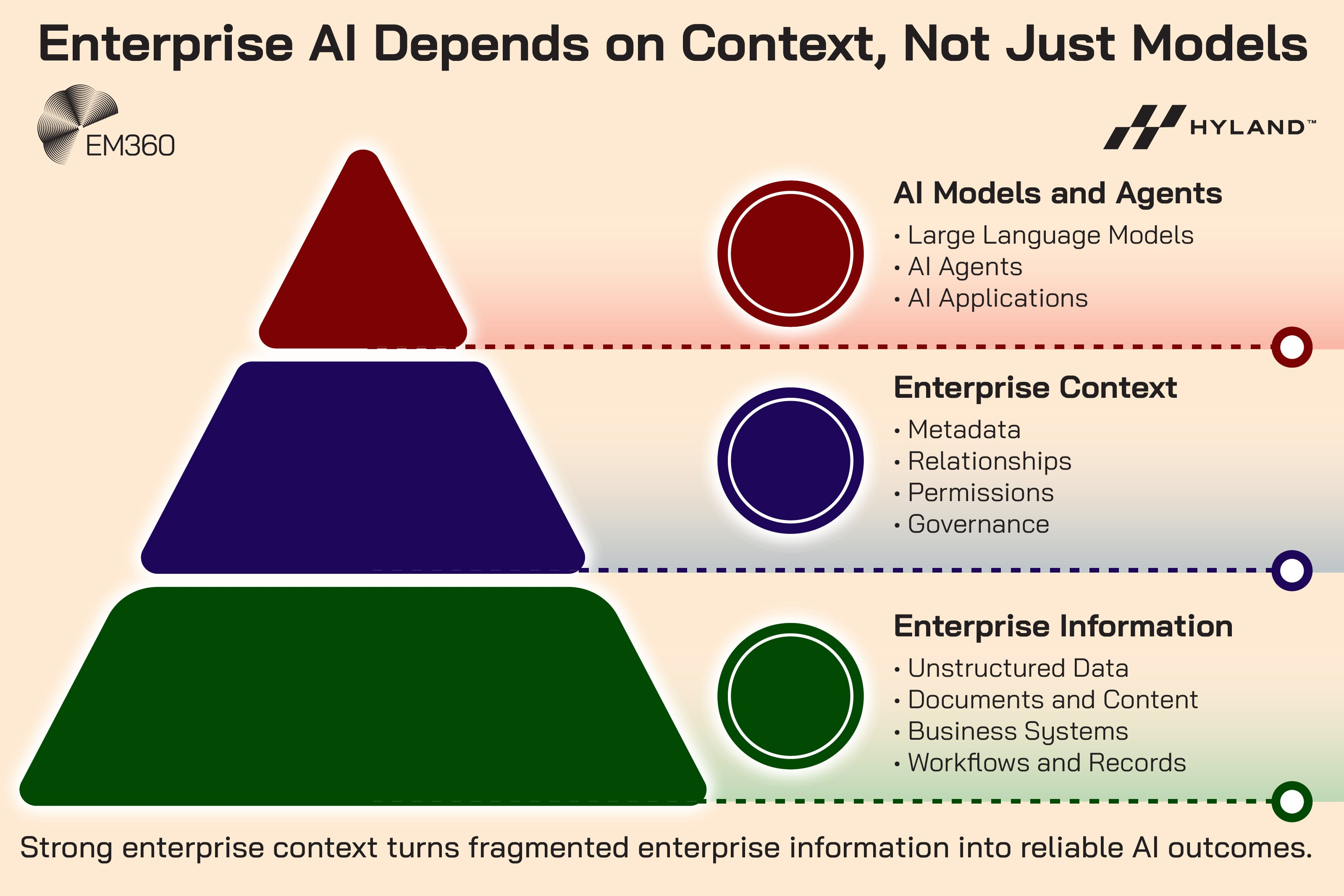
Experts from organizations such as Gartner and the World Economic Forum consistently emphasize that the most successful AI strategies combine advanced technology with clear governance, transparent policies, and continuous employee development. Companies that balance automation with responsible oversight are more likely to achieve long-term productivity gains while maintaining trust among employees and customers.

Best Practices for Successful AI Adoption

Buying an AI productivity platform is the easy part. Getting people to use it well is much harder. The organizations seeing the best results in 2026 treat AI as a long-term business initiative rather than another software rollout.

A common mistake is introducing AI across every department on day one. This often overwhelms employees and makes it difficult to measure results. A better approach is to begin with one or two high-impact workflows, measure improvements, gather employee feedback, and expand gradually.

For example, a finance team might first use AI to automate monthly reporting. Once employees become comfortable with the system, the company can extend AI to budgeting, forecasting, and invoice processing.

Training also deserves continuous attention. Employees should understand not only how to use AI tools but also when to verify AI-generated content, how to protect sensitive information, and how to write effective prompts. The most successful teams treat AI as a collaborative assistant that supports human expertise rather than replacing it.

Another best practice is defining clear governance. Companies should establish policies covering data security, approved AI tools, content review, and accountability. This reduces risk while giving employees confidence to use AI responsibly.

Organizations can improve adoption by following a practical roadmap:

  • Start with repetitive, time-consuming tasks that produce measurable benefits.
  • Set clear success metrics before introducing AI.
  • Train employees using real business scenarios instead of generic tutorials.
  • Require human review for important legal, financial, or customer-facing decisions.
  • Monitor results regularly and refine workflows as teams gain experience.
  • Encourage employees to share successful AI use cases across departments.

Businesses that follow these principles often discover that the greatest benefit is not simply faster work. Instead, teams become more focused, collaborate more effectively, and have more time for innovation.

What the Future of AI-Powered Teams Looks Like

The workplace will continue evolving over the next several years, and AI productivity platforms will become even more integrated into everyday operations.

Instead of opening separate applications for email, meetings, documents, analytics, and project management, employees will increasingly work through unified AI interfaces capable of coordinating information across many business systems.

AI agents will also become more specialized. Rather than relying on one general-purpose assistant, organizations may deploy dedicated agents for sales, finance, marketing, software development, customer support, human resources, and operations. Each agent will understand its specific business processes while collaborating with other agents when necessary.

Managers will spend less time tracking routine work because AI will continuously monitor project progress, identify risks before deadlines are missed, and recommend corrective actions. Employees will receive personalized support throughout the workday, helping them prioritize important tasks and reduce unnecessary interruptions.

This does not mean human skills become less valuable. In fact, they become even more important.

As AI handles routine execution, qualities such as creativity, critical thinking, leadership, emotional intelligence, negotiation, ethical judgment, and strategic planning will distinguish high-performing professionals. Technology will automate many tasks, but people will continue making the decisions that shape business success.

Organizations that combine AI capabilities with skilled employees, strong leadership, and responsible governance will be better positioned to adapt to future changes and remain competitive.

Conclusion

Artificial intelligence has moved beyond being a helpful productivity feature. In 2026, it is becoming part of how modern organizations operate every day.

The biggest change is not that AI completes tasks faster than people. The real transformation is that it changes how work is organized. Repetitive activities such as documenting meetings, preparing reports, searching for information, and managing routine workflows are increasingly handled by AI, allowing employees to focus on work that requires experience, creativity, and sound judgment.

Businesses across industries are already using AI productivity platforms to improve collaboration, streamline operations, and make faster decisions. At the same time, successful adoption depends on more than choosing the right software. It requires thoughtful implementation, employee training, strong governance, and clear business objectives.

The organizations that thrive in the coming years will not necessarily be those with the most advanced AI tools. They will be the ones that understand how to combine human expertise with intelligent automation in a way that improves both business performance and employee experience.

As AI technology continues to mature, one principle is becoming increasingly clear: the future of work belongs to teams where people and AI work together, each contributing what they do best.