 by
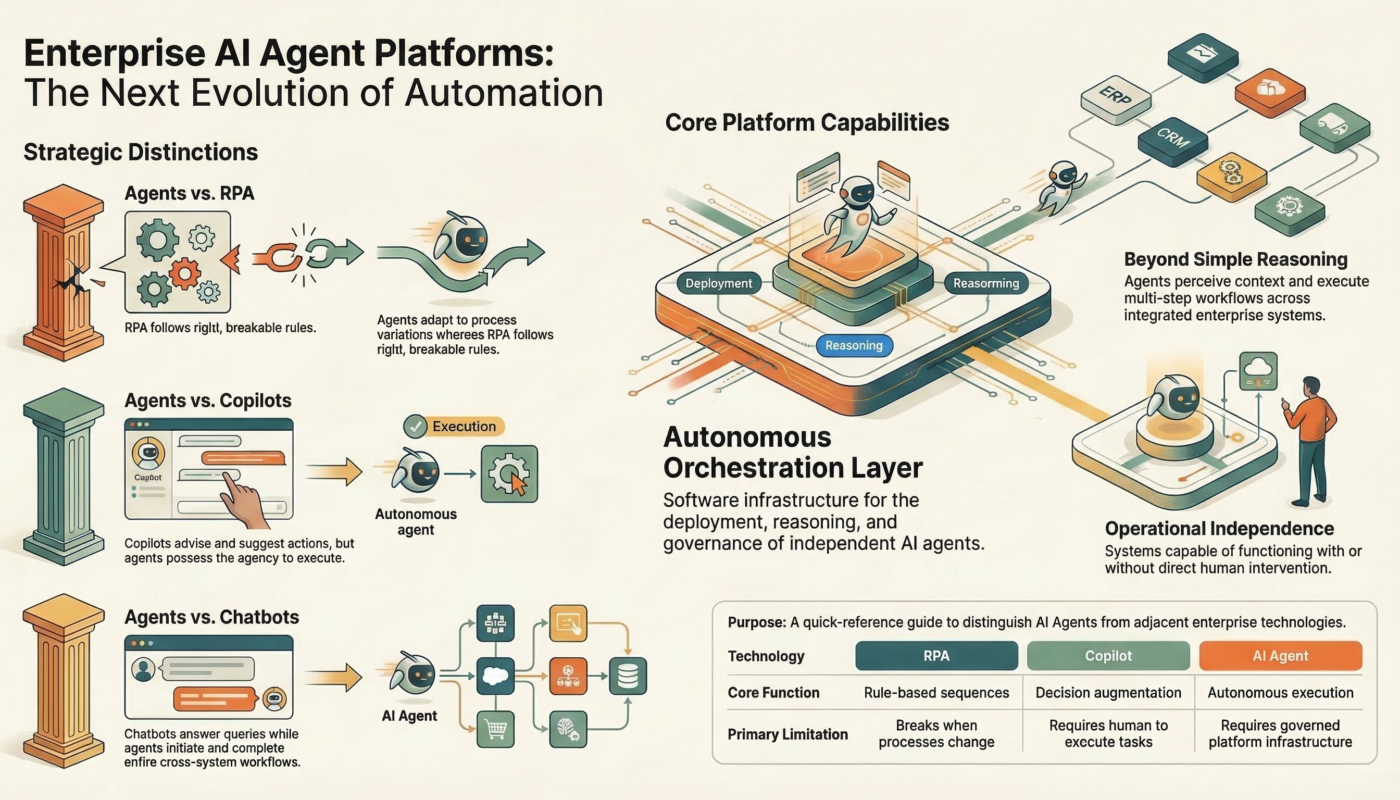
by AI agent platforms have moved beyond simple chat interfaces. Modern agents can call tools, search company data, run code, interact with APIs, maintain state, hand work to other agents, and complete multi-step tasks under defined permissions. The challenge in 2026 is no longer finding a platform that can build an agent. It is choosing an architecture that is reliable, governable, observable, and appropriate for the systems the agent will touch.
This guide compares several leading approaches using current official documentation rather than treating every platform as interchangeable. The goal is not to declare one universal winner. OpenAI, Google Cloud, Microsoft, AWS, and the LangChain/LangGraph ecosystem each make different trade-offs around managed infrastructure, model choice, enterprise integration, workflow control, and developer experience.
What Makes an AI Agent Platform Useful?
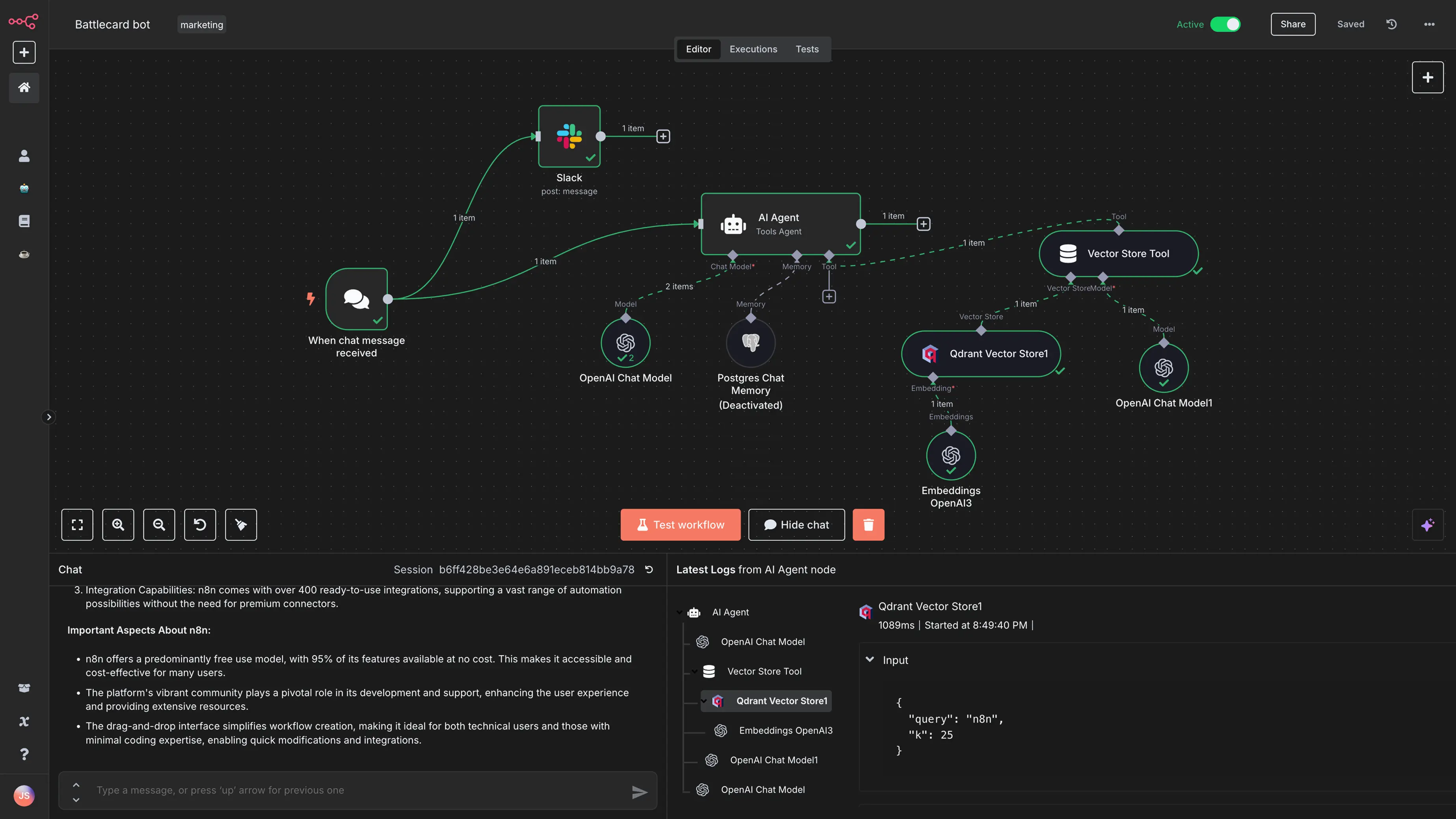
An agent is more than a model prompt. Production systems need a loop that can decide what to do, call tools, interpret results, maintain context, stop safely, and expose enough evidence for operators to understand what happened.
Key platform capabilities
- Tool integration: APIs, functions, browsers, code execution, databases, connectors, and MCP servers.
- Orchestration: sequential workflows, branching, handoffs, retries, and multi-agent patterns.
- State and memory: short-term context and, where appropriate, durable user or task state.
- Identity and permissions: clear control over what an agent is allowed to access or change.
- Evaluation: test sets, quality metrics, tool-use checks, and regression testing.
- Observability: traces, logs, latency, cost, failures, and tool-call history.
- Human oversight: approval points for sensitive or irreversible actions.
These are often more important than a single benchmark score for the underlying language model.
OpenAI: Agents SDK and API Platform
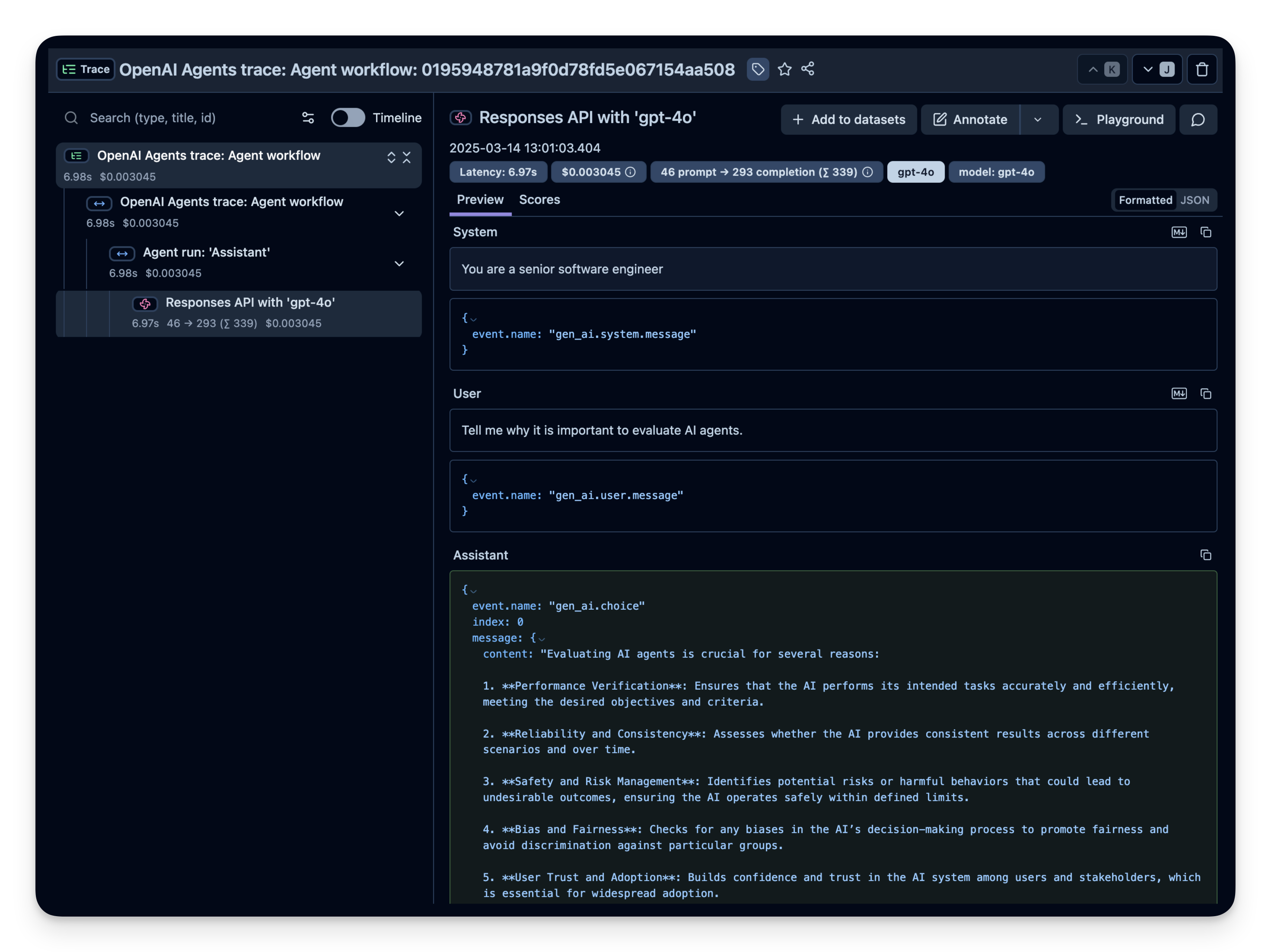
OpenAI’s official developer documentation supports building agents with the Agents SDK for Python and TypeScript. Developers can define agents, instructions, tools, and handoffs, then run orchestration logic in their own backend.
Good fit for
- Teams that want direct access to OpenAI models and tool capabilities.
- Applications that need code-first orchestration.
- Products where agent behavior is embedded inside a custom application.
- Developers who want to control prompts, tools, state, and application logic in code.
The main design responsibility remains with the application team: define safe tool boundaries, decide what state to store, build evaluations, and prevent sensitive actions from being triggered without the right authorization.
Google Vertex AI Agent Builder
Google describes Vertex AI Agent Builder as a suite for building, scaling, and governing AI agents in production. Its ecosystem includes development, runtime, model, data, and Google Cloud integration options.
Good fit for
- Organizations already operating on Google Cloud.
- Teams that want managed production infrastructure around agents.
- Applications connected to Google Cloud data and services.
- Enterprises that need centralized governance and deployment controls.
As with any cloud platform, teams should evaluate data residency, identity design, networking, model costs, observability, and how tightly the application becomes coupled to provider-specific services.
Microsoft Copilot Studio
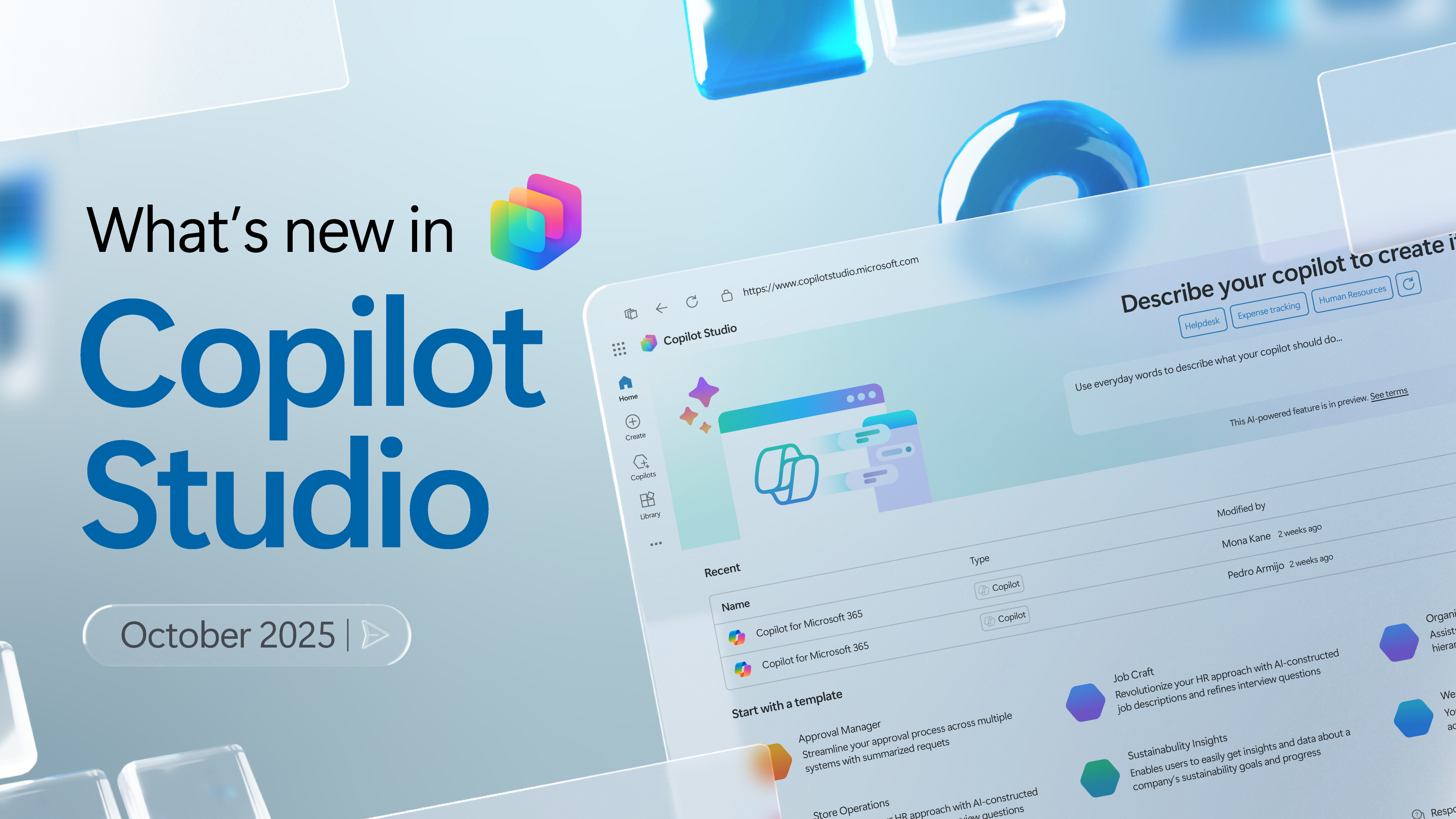
Microsoft Copilot Studio is designed for building agents and workflows with deep integration across the Microsoft ecosystem. Microsoft’s 2026 documentation includes a newer agent experience with build, preview, evaluation, publishing, and monitoring stages.
Good fit for
- Organizations centered on Microsoft 365 and Power Platform.
- Business teams that want lower-code agent development.
- Internal agents that need organizational knowledge and connector access.
- Enterprises that already manage Microsoft identities and governance.
Its main advantage is ecosystem alignment. A company already using Microsoft data, connectors, identity, and automation can reduce integration effort. Developers should still review which actions an agent can perform and apply least privilege.
Amazon Bedrock AgentCore
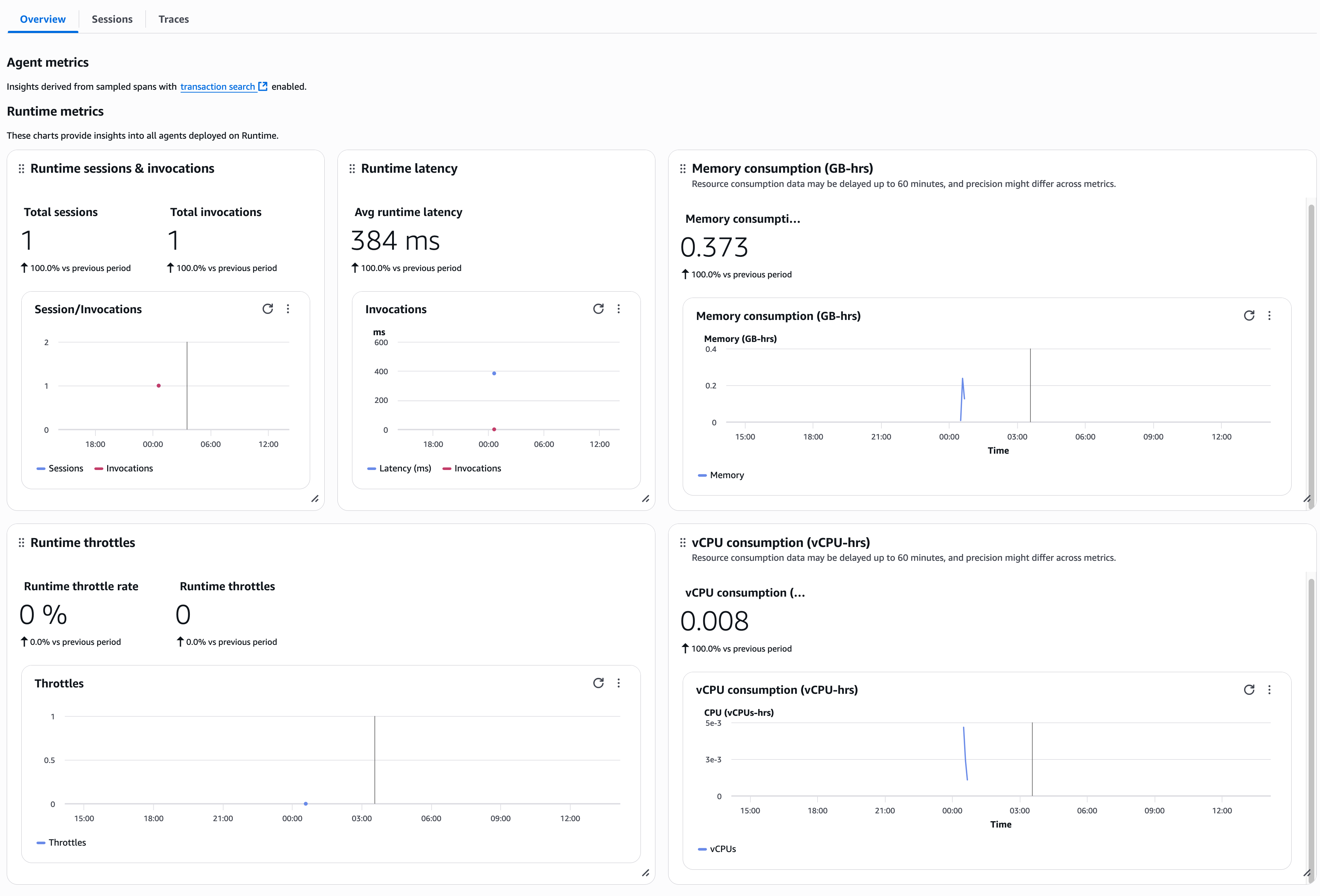
In 2026, AWS positions Amazon Bedrock AgentCore as a platform for building, deploying, and operating agents with model and framework flexibility. Its services cover runtime, memory, identity, gateways, tools, observability, and evaluation.
This distinction is important because the older Amazon Bedrock Agents product is now Bedrock Agents Classic and is no longer open to new customers as of July 30, 2026. New evaluations should focus on AgentCore rather than relying on older comparison articles.
Good fit for
- AWS-centric engineering teams.
- Organizations that want agents close to existing AWS data and IAM controls.
- Teams using multiple agent frameworks or model providers.
- Production workloads that need managed runtime, observability, and identity components.
LangChain and LangGraph
LangChain provides a higher-level agent framework, while LangGraph is a lower-level orchestration runtime focused on stateful, long-running workflows. Its documentation emphasizes durable execution, streaming, persistence, and human-in-the-loop control.
Good fit for
- Developers who want model-provider flexibility.
- Teams building custom graph-based workflows.
- Applications that require detailed control over state and branching.
- Organizations that prefer an open-source orchestration layer rather than a fully managed vendor stack.
The trade-off is operational responsibility. An open framework gives flexibility, but teams must choose deployment, identity, logging, evaluation, secrets management, and scaling components.
2026 AI Agent Platform Comparison
| Platform | Primary strength | Best for | Key consideration |
|---|---|---|---|
| OpenAI Agents SDK | Direct code-first agent development | Custom products and applications | Application team owns surrounding production architecture |
| Vertex AI Agent Builder | Managed Google Cloud agent stack | Google Cloud enterprises | Cloud ecosystem coupling and cost design |
| Microsoft Copilot Studio | Microsoft data/connectors and low-code authoring | Microsoft 365 organizations | Permission design across business connectors |
| Amazon Bedrock AgentCore | AWS runtime, identity and model/framework flexibility | AWS production workloads | Requires understanding modular AgentCore services |
| LangChain/LangGraph | Flexible open orchestration | Custom multi-model architectures | More infrastructure decisions remain with team |
How to Choose the Right Platform
1. Start with the business workflow
Define the task, the tools involved, the data required, and the consequences of failure. A customer-service summarizer and an agent that changes financial records should not be designed with the same autonomy.
2. Map identity and permissions
List which systems the agent can read and which it can change. Use separate tools for sensitive actions and require explicit approval where the cost of a wrong action is high.
3. Build an evaluation set before scaling
Collect realistic tasks, expected outcomes, tool-call requirements, and failure cases. Evaluate new prompts, models, or tools against the same set before deployment.
4. Make observability a requirement
You should be able to answer: what did the user ask, what context was provided, which tools ran, what changed, how long it took, and where it failed?
5. Plan for model and tool failure
APIs time out, permissions expire, external sites change, and models can produce invalid outputs. Production agents need retries, stop conditions, validation, and safe fallbacks.
Where AI Agents Add the Most Value
- Research and information gathering with source review.
- Customer-support triage and case preparation.
- Developer assistance and code workflows.
- Internal knowledge retrieval.
- Routine business-process coordination.
- Data analysis with controlled tool access.
- Document processing and structured extraction.
For a broader explanation of agent architecture, read our guide on how AI agents work. For workflow-focused use cases, see why workflow automation is becoming essential.
AI Agent Platform Checklist
- Does it support the models you need?
- Can tools be permissioned individually?
- Can sensitive actions require approval?
- Does it provide durable state when needed?
- Can you inspect traces and tool calls?
- Are evaluation and regression testing supported?
- Can it connect securely to private data?
- How are secrets stored?
- What are the runtime and model costs?
- Can you migrate the workflow if requirements change?
Frequently Asked Questions
Which AI agent platform is best in 2026?
There is no universal best platform. The strongest choice depends on your cloud environment, model requirements, integration needs, governance, team skills, and how much infrastructure you want the provider to manage.
Should businesses use autonomous agents for sensitive actions?
High-impact or irreversible actions should usually have strong validation, scoped permissions, and human approval. Autonomy should increase only after the workflow has been tested and measured.
Is an open-source framework cheaper than a managed platform?
Not automatically. Open-source software can reduce license dependency, but you still pay for models, infrastructure, engineering, monitoring, and operations.
Conclusion
The leading AI agent platforms of 2026 are converging on similar core needs—tools, state, orchestration, identity, evaluation, and observability—but they package those needs differently. OpenAI emphasizes direct agent development, Google and AWS provide broader managed cloud stacks, Microsoft integrates deeply with business applications, and LangGraph gives developers low-level orchestration control.
Choose based on the workflow you need to operate safely. A platform is valuable when it makes agents easier to test, permission, observe, and maintain—not simply when it can produce the most impressive demo.