Customer Support Software Compared: Which Solution Delivers the Best Experience?

Customer expectations have changed dramatically over the past few years. People no longer want to wait hours—or even minutes—for a response when they contact a business. Whether they reach out through live chat, email, social media, or messaging apps, they expect quick, accurate, and personalized support.

Meeting those expectations is difficult without the right customer support software. Modern platforms do far more than organize tickets. They bring conversations from multiple channels into one place, automate repetitive tasks, offer AI-powered assistance, provide self-service knowledge bases, and help managers track team performance through detailed analytics.

The challenge is that there is no single solution that’s best for every business. A startup with three support agents has very different needs from an enterprise serving millions of customers. Some businesses prioritize affordability, while others need deep automation, advanced reporting, or seamless CRM integration.

Recent industry research shows that the customer service software market continues to grow rapidly as organizations invest more in digital customer experiences and AI-powered support.

Choosing the right platform isn’t about selecting the one with the longest feature list. It’s about finding software that fits your workflow today while supporting your growth tomorrow.

What Makes Great Customer Support Software?

The best customer support software solves two problems at the same time: it helps customers get answers quickly, and it makes life easier for support agents. If either side has a poor experience, the platform isn’t doing its job effectively.

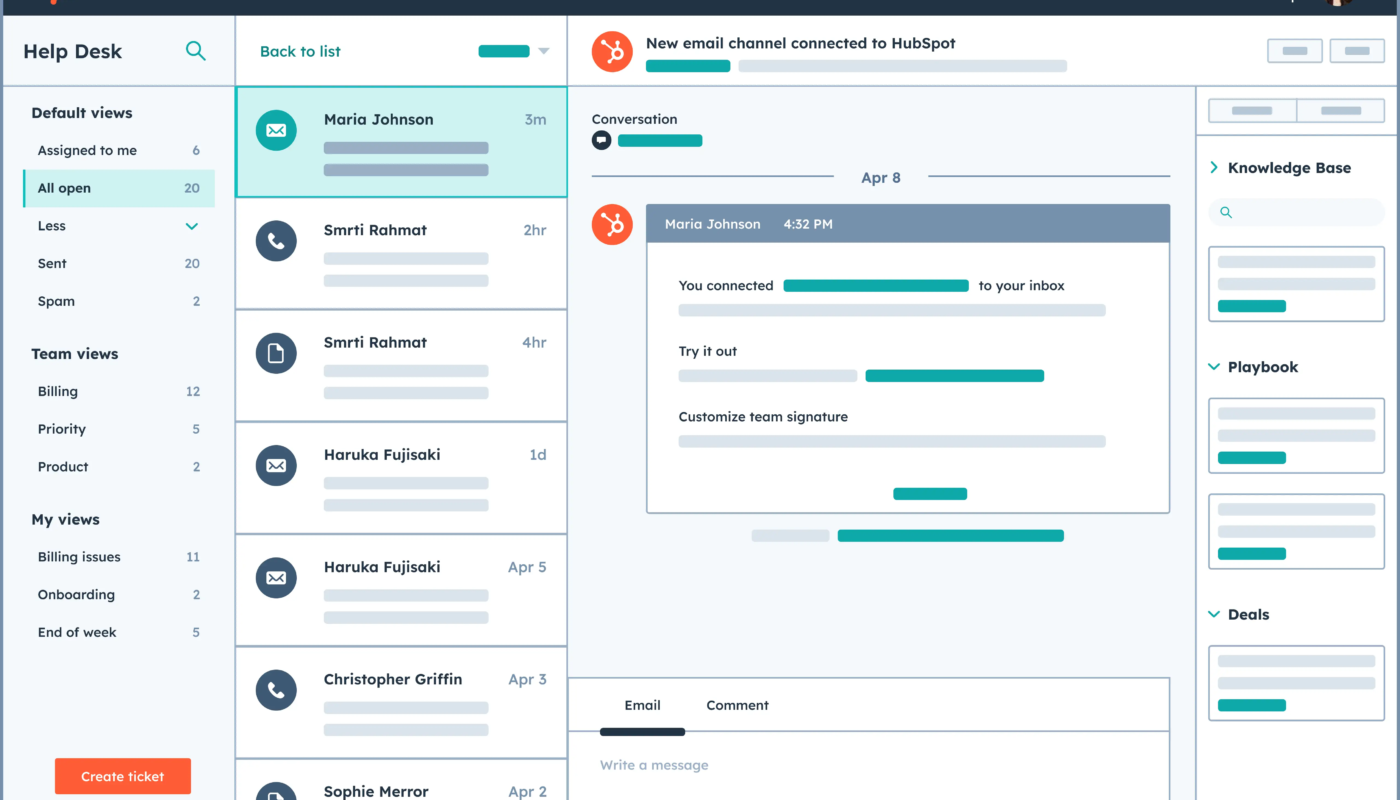
A strong support platform should centralize conversations from email, live chat, social media, messaging apps, and phone support into a single workspace. Agents shouldn’t have to switch between multiple tools just to follow one customer’s journey.

Automation has also become essential. Features like ticket routing, canned responses, workflow automation, SLA management, and AI-powered suggestions reduce repetitive work and allow agents to focus on complex issues that require human judgment.

Beyond functionality, usability matters just as much. Even powerful software becomes a burden if new team members need weeks of training before they can use it confidently. Clean interfaces, logical navigation, and quick onboarding can significantly improve productivity.

Some of the most valuable capabilities include:

  • Omnichannel support from one dashboard
  • AI chatbots and agent assistance
  • Knowledge base and customer self-service
  • Automation for ticket assignment and workflows
  • Reporting and performance analytics
  • CRM and third-party integrations
  • Mobile access for remote teams
  • Strong security and compliance features

A practical example is an online retailer handling orders through email, website chat, and WhatsApp. Instead of checking each channel separately, support agents can respond from one unified inbox, see previous conversations instantly, and automate common requests such as order tracking or password resets.

Zendesk vs Freshdesk vs Intercom: An Overview

Three names appear consistently whenever businesses compare customer support platforms: Zendesk, Freshdesk, and Intercom. While all three help businesses manage customer conversations, they take noticeably different approaches.

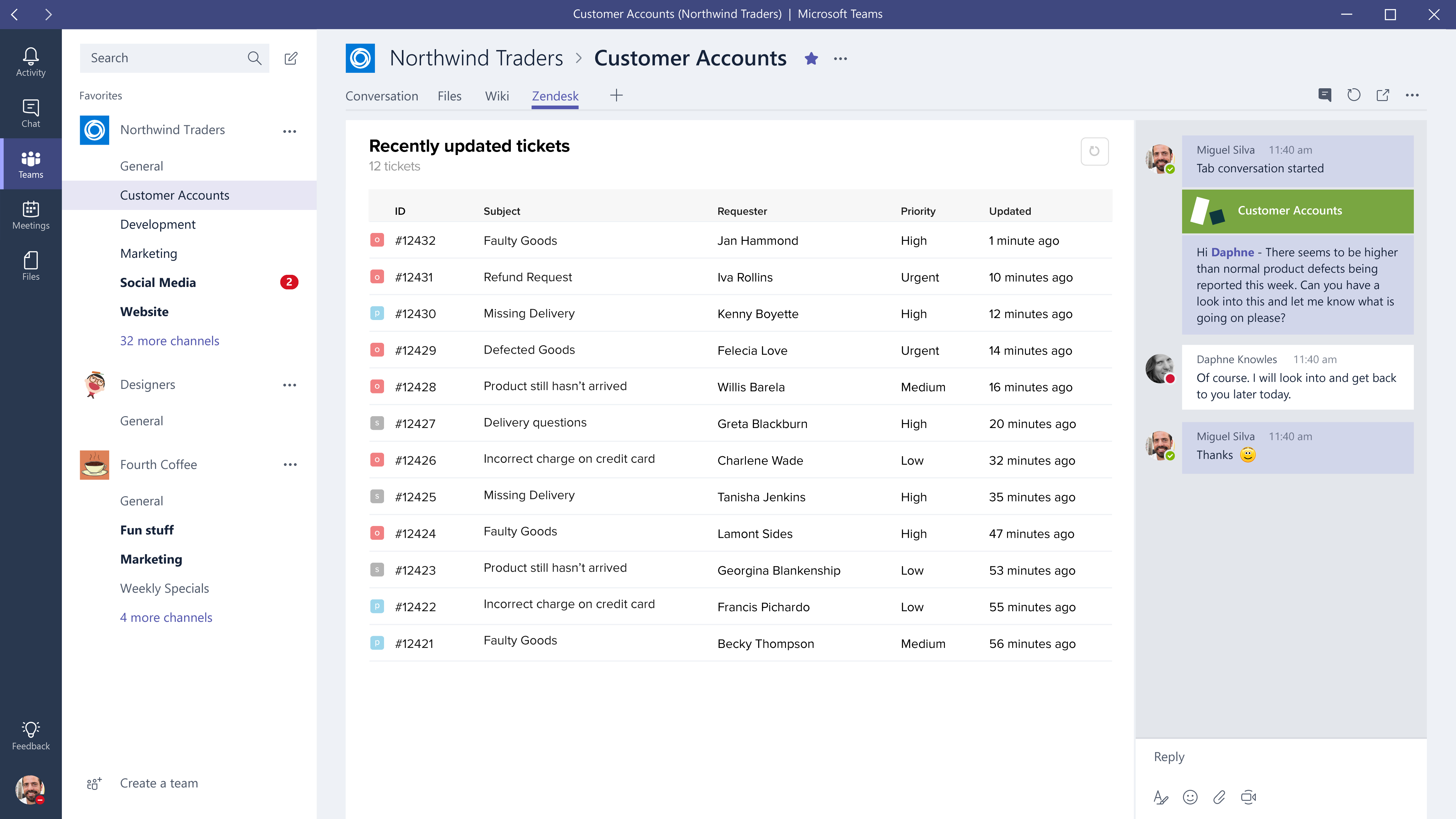
Zendesk has built its reputation around enterprise-grade ticket management and omnichannel customer service. It supports businesses of every size but particularly shines when handling large support teams, complex workflows, extensive reporting, and thousands of daily tickets. Recent updates have expanded its AI capabilities, including AI agents, copilots, and outcome-based AI pricing models.

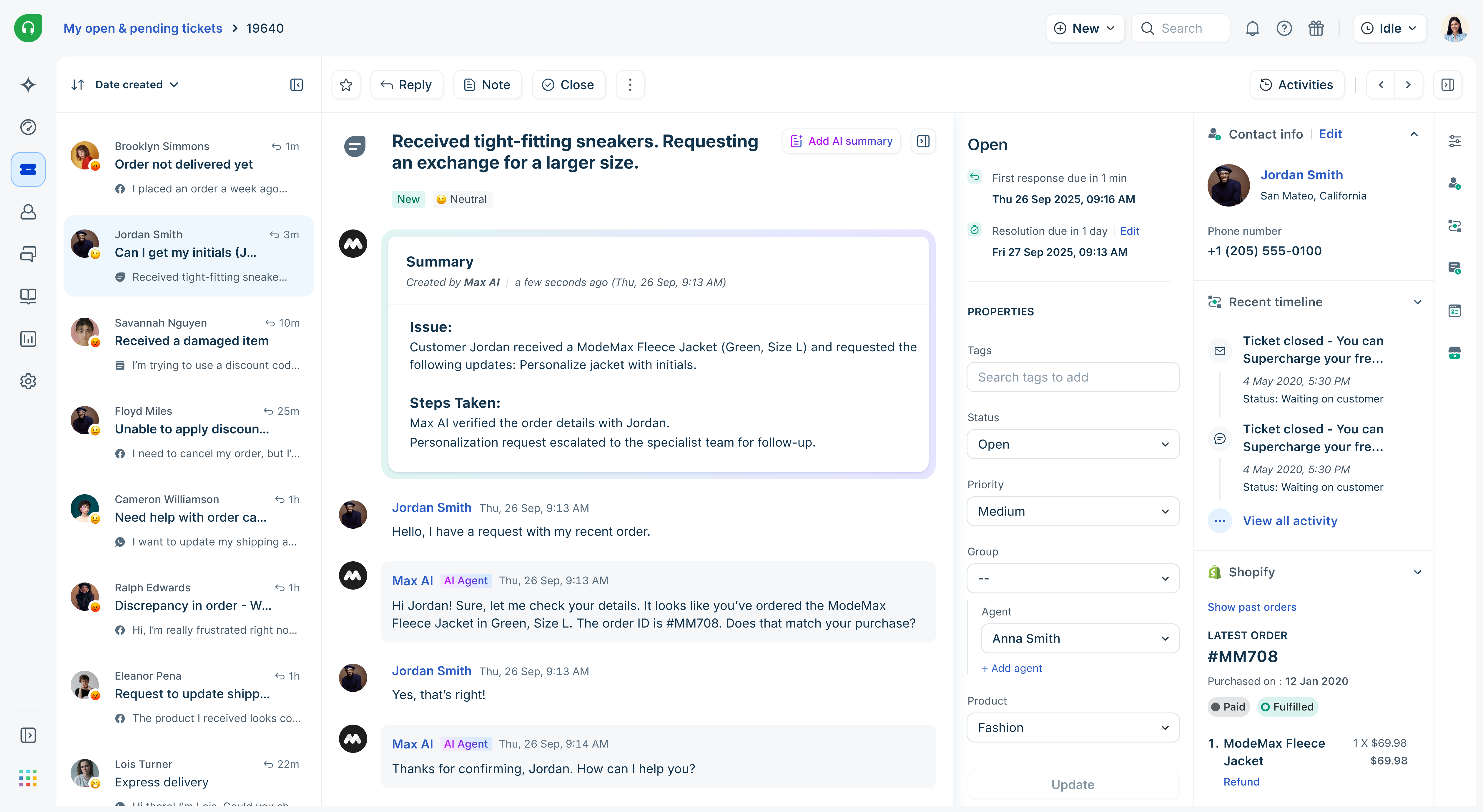
Freshdesk, part of the Freshworks ecosystem, focuses on balancing powerful features with ease of use and competitive pricing. Small and medium-sized businesses often appreciate its quick setup, intuitive interface, generous free plan, and growing AI assistant called Freddy. Recent platform enhancements have strengthened automation and omnichannel capabilities while keeping implementation relatively straightforward.

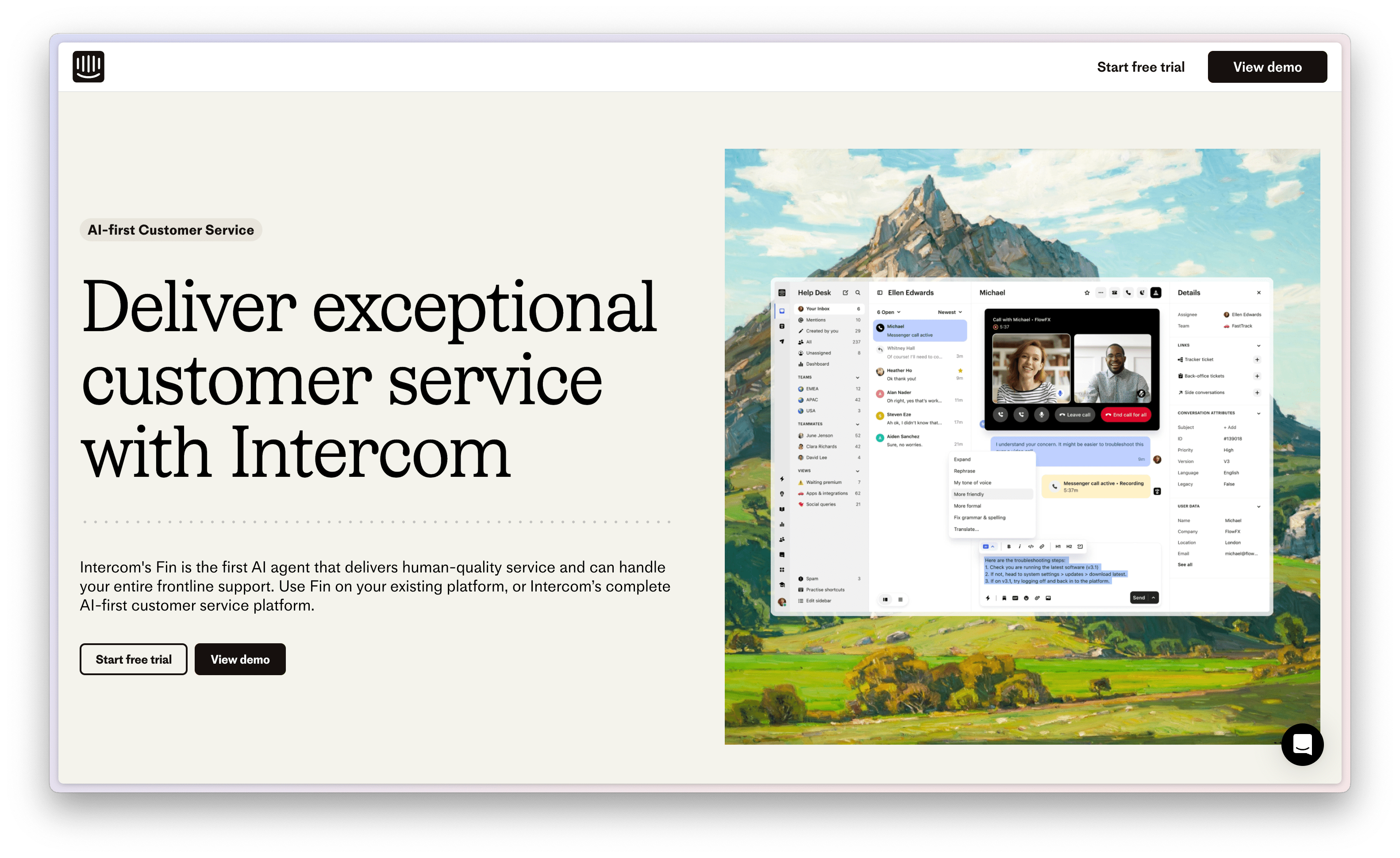
Intercom approaches customer support differently. Rather than centering everything around traditional tickets, it emphasizes conversational support through live chat, in-app messaging, proactive engagement, and AI-powered customer interactions. This makes it especially attractive for SaaS companies and product-led businesses that communicate with users inside their applications.

Each platform excels in different situations. Zendesk prioritizes operational depth, Freshdesk emphasizes value and simplicity, while Intercom focuses on conversational customer engagement.

Comparing Features That Matter Most

Looking only at pricing or brand recognition rarely leads to the right decision. Instead, compare the features that directly affect your team’s daily workflow and your customers’ experience.

Feature Zendesk Freshdesk Intercom
Ticket Management Excellent Excellent Good
Live Chat Excellent Very Good Excellent
AI Assistance Advanced Strong Advanced
Knowledge Base Excellent Excellent Very Good
Automation Extensive Strong Strong
Reporting Enterprise-level Comprehensive Good
Ease of Setup Moderate Easy Easy
Best Fit Mid-size to Enterprise Small to Mid-size Businesses SaaS & Product-led Companies

Although all three platforms now include AI, their priorities differ. Zendesk focuses on large-scale ticket resolution and workflow automation. Freshdesk aims to make advanced support tools accessible to growing businesses without overwhelming complexity. Intercom continues to lead in conversational messaging and customer engagement experiences, particularly for software companies.

When evaluating software, avoid asking, “Which platform has more features?” Instead, ask, “Which features will my team actually use every day?” A business answering a few hundred tickets each month may never need enterprise-level customization, while a global company handling thousands of daily conversations might consider it essential.

AI, Automation, and Self-Service: Which Platform Performs Best?

Artificial intelligence has quickly moved from being an optional feature to becoming one of the biggest deciding factors when choosing customer support software. Businesses are no longer asking whether they need AI—they’re asking how much value it can deliver without sacrificing customer satisfaction.

A recent Adobe survey found that 78% of organizations expect AI agents to handle customer support interactions within the next 18 months, although only 16% have fully deployed them across their organizations. This highlights how quickly businesses are preparing for AI-driven support while still being cautious about implementation.

Each of the three leading platforms approaches AI differently.

Zendesk focuses on end-to-end issue resolution. Its AI helps classify tickets, suggest responses, summarize conversations, recommend knowledge base articles, and even resolve common requests without human intervention. The platform is designed to reduce resolution time while maintaining consistency across multiple channels.

Freshdesk uses Freddy AI to automate repetitive support work. Freddy can draft replies, summarize long conversations, assist agents during live chats, and answer common customer questions through self-service channels. For growing businesses, this balance between automation and simplicity is often enough without requiring complex configuration.

Intercom continues to stand out for conversational AI. Its AI agent, Fin, is designed to interact naturally with customers through chat, understand context, and resolve questions before a human agent becomes involved. This makes it particularly attractive for SaaS companies where customers expect instant in-app assistance.

The best results usually come from combining AI with human expertise. For example, an e-commerce business can let AI instantly answer order status, return policies, and password reset requests, while experienced agents focus on billing disputes, damaged shipments, or complex technical issues. Customers receive faster responses, and agents spend more time solving problems that actually require human judgment.


Pricing, Scalability, and Total Cost of Ownership

The monthly subscription price is only one part of the investment. Many businesses discover later that implementation, training, integrations, premium AI features, and additional support agents can significantly increase the overall cost.

For startups and small businesses, affordability often matters more than advanced customization. Freshdesk has built a strong reputation by offering competitive pricing, a generous free tier, and a straightforward setup process. Many companies can begin supporting customers within a day instead of spending weeks configuring workflows.

Zendesk generally requires a larger investment, but it also delivers enterprise-grade capabilities. Companies managing multiple brands, international support teams, or thousands of daily tickets often justify the higher cost because of its advanced reporting, workflow automation, and scalability. As the business grows, Zendesk grows with it instead of requiring a platform migration.

Intercom follows a different pricing philosophy. Rather than charging only for help desk functionality, it emphasizes customer engagement, proactive messaging, and AI-powered conversations. For SaaS companies where customer retention is critical, the additional investment can produce measurable returns by improving onboarding and reducing churn.

When calculating total ownership cost, consider factors beyond the subscription fee:

  • Staff training and onboarding time
  • Third-party integrations
  • AI feature pricing
  • Customization requirements
  • Technical support availability
  • Future scalability
  • Reporting and analytics needs

A practical example is a company that expects to double its support team within two years. Choosing software based solely on today’s pricing may lead to an expensive migration later. Investing in a scalable platform from the beginning often saves both money and operational disruption.


Which Platform Is Best for Different Businesses?

There isn’t a universal winner because every organization has different priorities. The right choice depends on your team size, customer volume, communication channels, technical expertise, and long-term growth plans.

A small online store handling a few hundred support requests each month typically benefits more from an easy-to-manage platform than one packed with enterprise features. Freshdesk provides an excellent balance of functionality, affordability, and quick deployment, making it a practical choice for many growing businesses.

Mid-sized and enterprise organizations that manage thousands of customer interactions across email, live chat, phone, and social media often find Zendesk better suited to their needs. Its advanced automation, reporting, and workflow customization help large teams maintain consistent service quality.

Intercom remains particularly strong for software companies and subscription-based businesses. If customers regularly interact inside a web application or mobile app, Intercom’s conversational approach and proactive messaging create a smoother customer experience than traditional ticket-based support.

Industry analysts continue to note that AI-powered support is becoming a standard capability rather than a premium feature. Gartner also identifies autonomous AI agents as an emerging area for organizations looking to improve efficiency while reducing operational costs.

Rather than asking, “Which platform is the best?” ask these questions instead:

  • Does it fit our current support workflow?
  • Will it still meet our needs in three years?
  • Can it integrate with our CRM, ecommerce platform, or internal tools?
  • Is the reporting detailed enough for managers?
  • Will customers actually have a better experience?

Answering these questions honestly usually leads to a better decision than comparing feature lists alone.

Common Mistakes When Choosing Customer Support Software

Selecting customer support software is a long-term business decision, not just a software purchase. Many companies spend weeks comparing feature lists but overlook how the platform will fit into their daily operations. The result is often poor adoption, frustrated agents, and an expensive migration a year or two later.

One of the biggest mistakes is choosing software based only on price. A lower monthly subscription may look attractive, but hidden costs such as implementation, premium AI features, third-party integrations, staff training, and future upgrades can quickly increase the total investment. Looking at the total cost of ownership provides a much clearer picture than comparing subscription fees alone.

Another common mistake is ignoring scalability. A help desk solution that works well for five support agents may struggle when your business grows to fifty. If you expect your customer base to expand, choose software that can handle increased ticket volumes, additional communication channels, and more advanced reporting without requiring a complete platform change.

Many organizations also underestimate the importance of integrations. Customer support teams often rely on CRM systems, ecommerce platforms, accounting software, project management tools, and communication apps. If your help desk cannot connect with these systems, agents may spend valuable time switching between multiple applications instead of helping customers.

Security should never be treated as an afterthought. Businesses that handle payment information, healthcare records, or other sensitive customer data need software that supports strong access controls, encryption, compliance standards, and detailed audit logs.

Finally, don’t skip the trial period. Most leading providers offer free trials or live demonstrations. Let your actual support agents test the platform before making a final decision. Their daily experience often reveals usability issues that aren’t obvious during a sales presentation.

A practical example illustrates why this matters. Imagine a growing ecommerce company selecting software because it offers the lowest monthly price. Six months later, the team realizes WhatsApp integration, AI automation, and advanced reporting all require expensive upgrades.

Had they evaluated long-term requirements from the beginning, they could have chosen a more suitable platform and avoided additional migration costs.


Final Verdict and Buying Checklist

After comparing features, AI capabilities, pricing, and scalability, one conclusion becomes clear: there is no single platform that fits every business.

Zendesk remains one of the strongest choices for medium-sized and enterprise organizations that need advanced automation, detailed reporting, extensive integrations, and the flexibility to manage high support volumes. Its comprehensive feature set makes it well suited for businesses with complex customer service operations.

Freshdesk offers one of the best balances between affordability, ease of use, and functionality. Small and growing businesses can deploy it quickly, train agents with minimal effort, and access AI-powered automation without the complexity often associated with enterprise platforms.

Intercom continues to excel for SaaS companies and digital-first businesses where conversational support plays a central role. Its live messaging, proactive engagement, and AI-powered customer interactions create a seamless experience for users who expect immediate assistance.

Before making your final decision, ask yourself these questions:

  • Does the platform support all the communication channels your customers use?
  • Will it still meet your needs as your business grows?
  • Are AI features included, or do they require additional costs?
  • Can it integrate with your CRM, ecommerce platform, and existing business tools?
  • Is the reporting detailed enough to measure team performance?
  • How easy is it for new support agents to learn?
  • What level of customer support does the vendor provide?
  • Have your support agents tested the software during a free trial?

Industry data continues to show that customer experience has a direct impact on business performance. According to Bain & Company, improving customer retention by just 5% can increase profits by 25% to 95%, highlighting why investing in the right customer support platform is a strategic decision rather than simply an operational expense.


Conclusion

Customer support software has evolved far beyond simple ticket management. Today’s leading platforms combine omnichannel communication, AI-powered assistance, workflow automation, analytics, and self-service tools to help businesses deliver faster and more consistent customer experiences.

For organizations with complex support operations and ambitious growth plans, Zendesk stands out for its enterprise-grade capabilities and scalability. Businesses looking for an affordable, user-friendly solution with strong core features will find Freshdesk to be an excellent option. Meanwhile, Intercom remains a leading choice for SaaS and product-led companies that prioritize conversational customer engagement and proactive support.

The best decision isn’t based on the number of features or the lowest price. Instead, evaluate how well each platform aligns with your business goals, support processes, customer expectations, and future growth plans.

Run a pilot, involve your support team in the evaluation, and compare the total cost of ownership—not just the subscription fee.

Customer expectations continue to rise, and recent consumer research shows that poor service experiences remain one of the fastest ways to lose customer trust, particularly when businesses rely on ineffective automation without providing access to knowledgeable human support.

The companies that combine intelligent AI with skilled support teams will be best positioned to build lasting customer relationships in the years ahead.