AI Agents Explained: How Intelligent Automation Is Reshaping Businesses in 2026
Artificial intelligence has moved far beyond chatbots and content creation tools. In 2026, businesses are adopting AI agents that can plan tasks, make decisions, interact with software, and complete workflows with minimal human involvement. This shift, often called agentic AI, is changing how organizations operate across industries.
Unlike traditional automation systems that rely on fixed rules, AI agents can understand goals, gather information, adapt to changing situations, and take action across multiple applications. Companies in finance, healthcare, retail, manufacturing, logistics, and customer service are investing heavily in this technology because it helps reduce repetitive work and improve operational efficiency.
The growing interest in AI agents is fueled by advances in large language models, cloud computing, enterprise integrations, and real-time data processing. Technology leaders such as OpenAI, Microsoft, and Google Cloud are developing platforms that allow organizations to build intelligent systems capable of handling increasingly complex business processes.
Businesses are no longer asking whether AI agents will impact operations. The focus has shifted toward identifying where they create the most value while maintaining security, governance, and human oversight. Understanding how these systems work is becoming essential for leaders who want to stay competitive in a rapidly changing business environment.
Understanding AI Agents Beyond Traditional Automation
Traditional automation has been helping businesses improve efficiency for decades. From invoice processing to inventory management, organizations have relied on software to automate repetitive tasks. However, these systems are typically limited by predefined rules and workflows. When unexpected situations occur, human intervention is usually required.
From Rules to Objectives
AI agents represent a major shift because they operate based on objectives rather than strict instructions. Instead of simply following a workflow, an AI agent can evaluate information, determine the best course of action, and adapt its approach when circumstances change.
For example, a traditional customer service automation system may forward a complaint to a support team. An AI agent can analyze the customer’s issue, retrieve account information, review previous interactions, recommend a solution, and even resolve the problem if company policies allow.
This goal-oriented approach enables businesses to automate more sophisticated processes that were previously impossible to manage through rule-based systems alone.
What Makes an AI Agent Different?
Modern AI agents typically combine several advanced capabilities:
- Reasoning and planning
- Memory and context retention
- Access to external tools and applications
- Decision support mechanisms
- Continuous learning through feedback
These capabilities allow AI agents to function more like digital coworkers than traditional software.
A Real-World Business Scenario
Imagine a procurement department receiving hundreds of supplier emails every day. Instead of manually reviewing requests, an AI agent can analyze pricing information, compare supplier performance, check inventory levels, review contract terms, and recommend purchasing decisions.
This evolution from simple task automation to intelligent workflow execution is why many analysts view AI agents as one of the most significant enterprise technology developments of the decade.
The Technology Behind Modern AI Agents
The rapid growth of AI agents is driven by a combination of technological advancements that have matured over the last few years. Improvements in artificial intelligence models, cloud infrastructure, enterprise software integration, and data management systems have created the foundation needed for intelligent automation at scale.
The Core Components
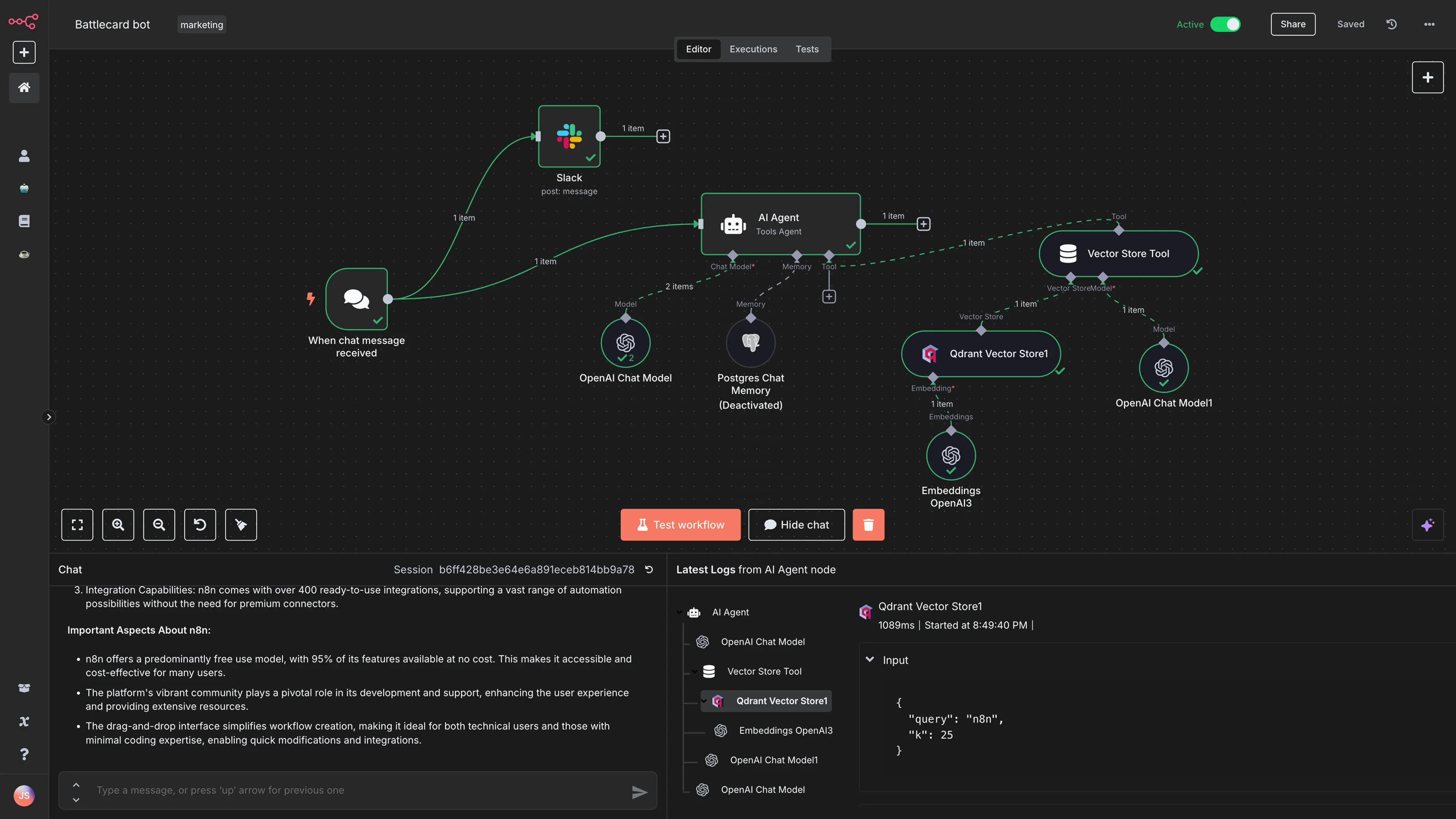
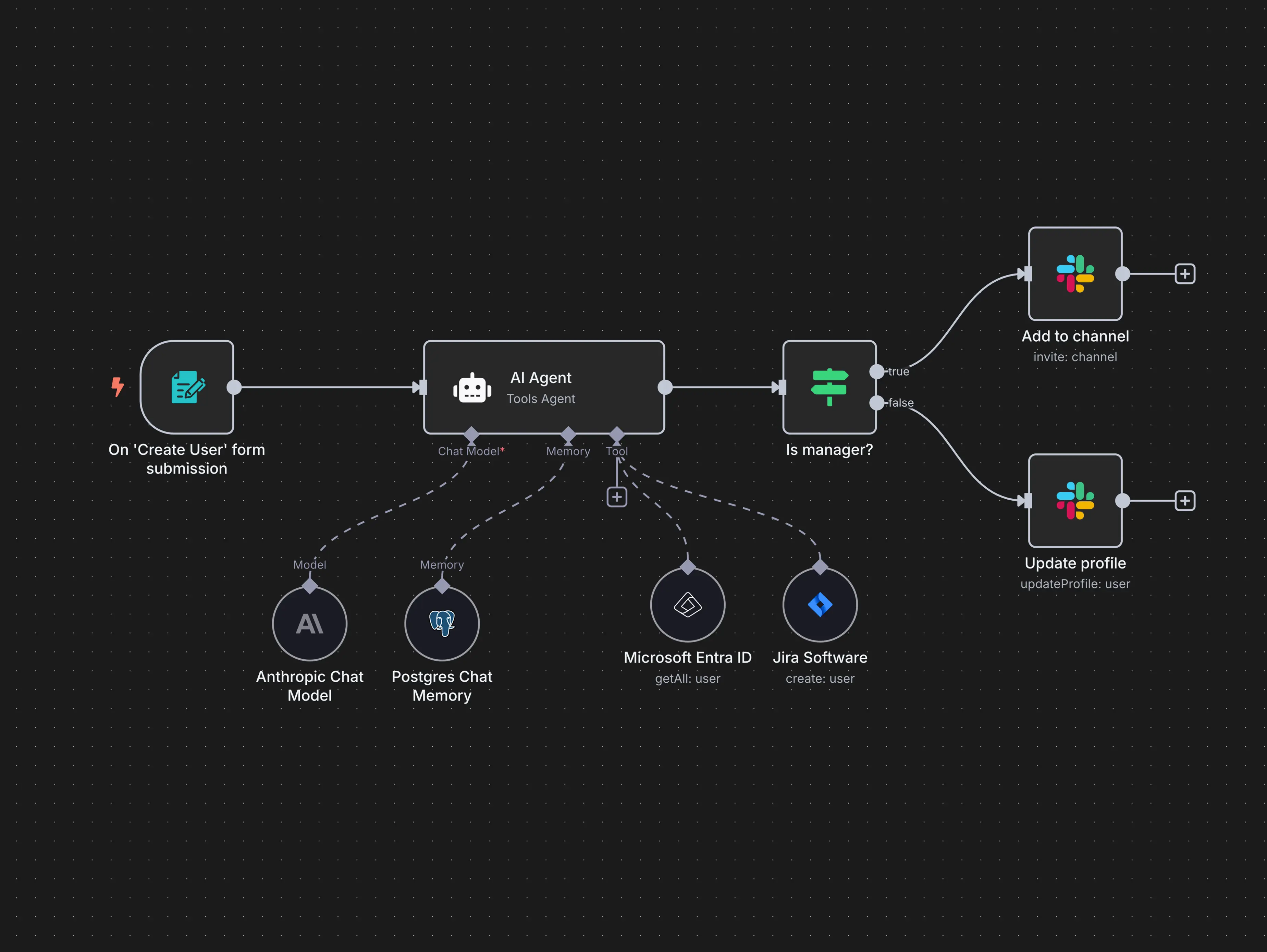
Most modern AI agents rely on several technologies working together seamlessly. Large language models provide reasoning and communication capabilities. Memory systems store information across interactions. Integration frameworks allow agents to connect with databases, business applications, and productivity platforms.
Together, these components transform AI from a tool that answers questions into one that can actively perform work.
Major technology providers including OpenAI, Microsoft Azure AI, and Google Cloud AI are continuously expanding the capabilities available to enterprise customers.
How AI Agents Execute Tasks
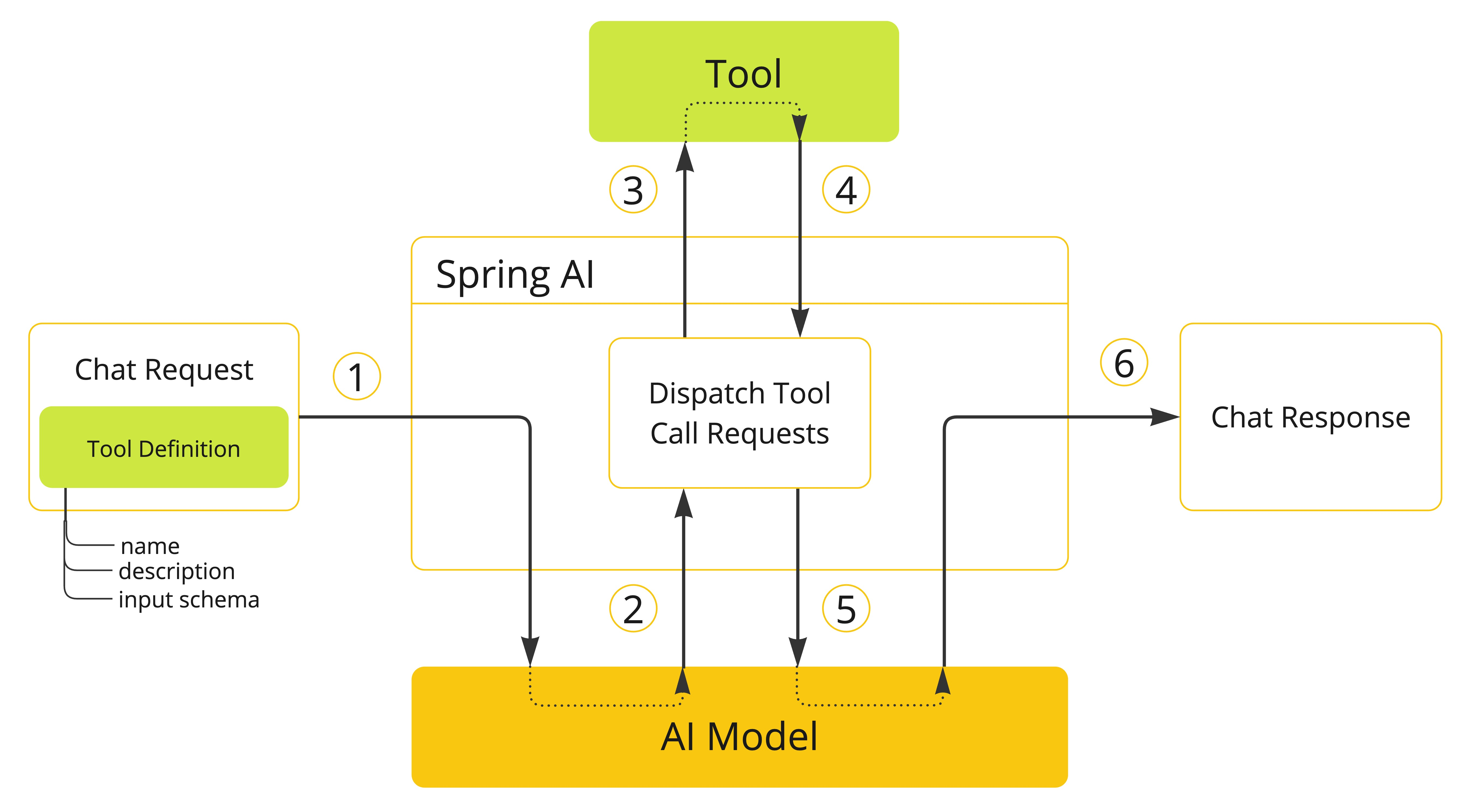
A typical AI agent follows a structured workflow:
- Understand the goal.
- Create a plan.
- Select the appropriate tools.
- Execute actions.
- Monitor outcomes.
- Adjust based on feedback.
Unlike traditional software workflows, this process is dynamic. The agent can modify its approach as new information becomes available.
Why 2026 Is a Turning Point
Several trends have converged at the same time. Businesses now have access to more powerful AI models, faster cloud infrastructure, and deeper software integrations. Enterprise vendors are embedding AI agents directly into CRM, ERP, HR, and financial platforms.
As a result, organizations are moving beyond experimentation and beginning to deploy AI agents in production environments where they contribute directly to daily operations.
How Businesses Are Using AI Agents Across Departments
The most successful AI agent implementations focus on solving practical business problems rather than pursuing automation for its own sake. Companies are discovering that targeted deployments often produce the fastest and most measurable returns.
Finance and Operations
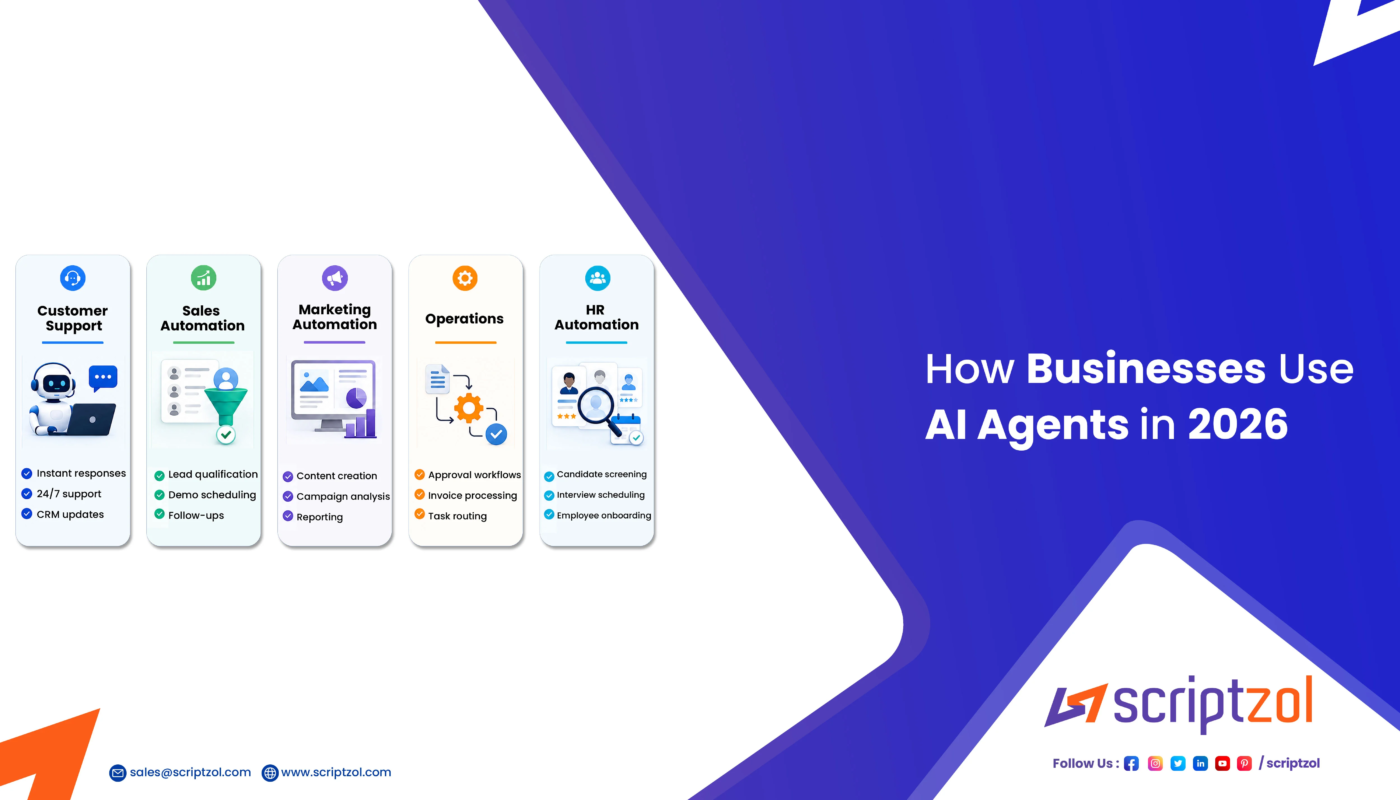
Finance departments are using AI agents to review expenses, reconcile transactions, generate reports, and monitor compliance requirements. Operations teams are leveraging intelligent agents to coordinate workflows, track inventory, optimize supply chains, and communicate with suppliers.
By automating routine tasks, employees can focus more on strategic planning and decision-making.
Human Resources and Internal Support
Human resources teams are increasingly adopting AI agents to support recruitment, onboarding, employee communications, and internal knowledge management.
Common applications include:
- Answering employee questions
- Scheduling interviews
- Managing onboarding processes
- Retrieving company policies
- Assisting with workforce planning
Organizations are also deploying AI agents in IT departments to help resolve support tickets and monitor system performance.
Real Business Impact
Companies such as Bank of America have expanded AI-powered systems across customer-facing and internal operations. Meanwhile, enterprise software providers like Salesforce continue investing heavily in agent-based automation platforms designed for large organizations.
The strongest results are often achieved when businesses focus on repetitive, process-heavy tasks that consume significant employee time. Instead of replacing workers, AI agents help teams become more productive by reducing administrative burdens and accelerating workflow execution.
AI Agents and the Future of Customer Experience
Customer expectations have changed dramatically in recent years. People expect immediate responses, personalized recommendations, and seamless service regardless of whether they contact a company through email, chat, social media, or a mobile app. Meeting these expectations consistently can be difficult for businesses, especially when support teams are managing thousands of requests every day. This is where AI agents are beginning to make a significant impact.
Beyond Traditional Chatbots
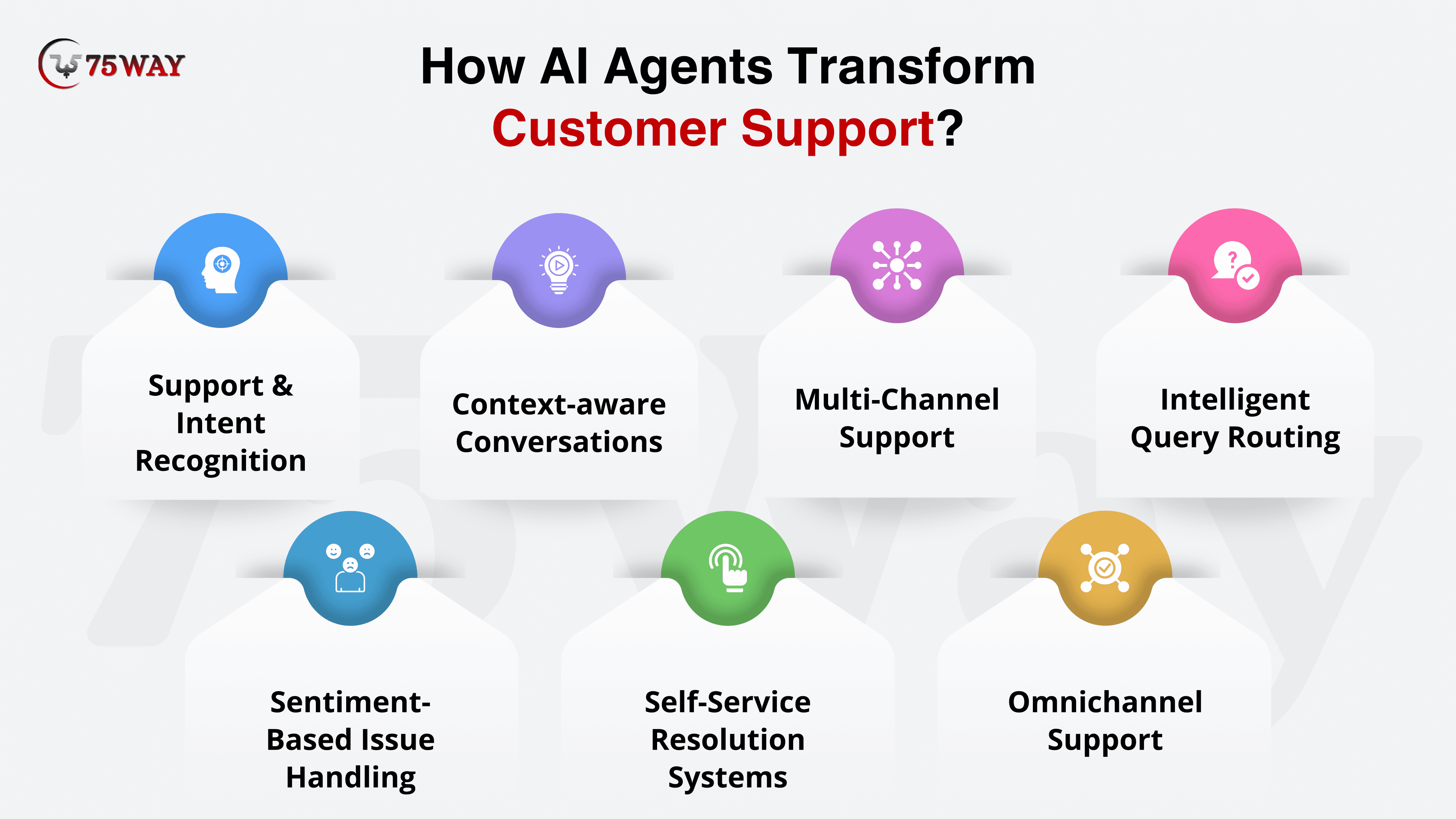
Many businesses experimented with chatbots during the last decade, but those systems often frustrated customers because they followed scripted conversations and struggled with anything outside predefined scenarios. Modern AI agents operate differently. They can understand context, analyze customer intent, retrieve account information, and take action rather than simply providing information.
For example, an AI agent can process a refund request, update account details, schedule a service appointment, and send a confirmation message without requiring the customer to speak with multiple departments. This reduces wait times and creates a smoother experience.
Businesses using platforms from Salesforce and Zendesk are increasingly deploying AI agents that focus on complete problem resolution instead of simple question answering.
Creating Personalized Experiences
Modern AI agents can combine information from multiple sources to provide highly relevant interactions. They can analyze:
- Purchase history
- Previous support tickets
- Product usage patterns
- Customer preferences
- Recent interactions
Why This Matters
Customers are more likely to remain loyal when businesses understand their needs and respond quickly. AI agents allow organizations to deliver personalized service at scale without dramatically increasing staffing costs. As the technology continues to improve, customer interactions will become faster, more accurate, and more proactive than ever before.
The Rise of Multi-Agent Systems and Autonomous Workflows
As organizations expand their use of AI agents, many are discovering that a single agent is rarely enough for complex business operations. This has led to the growth of multi-agent systems, where several specialized agents work together to complete larger objectives.
What Is a Multi-Agent Environment?
A multi-agent environment consists of multiple AI agents, each designed to perform a specific role. Rather than relying on one general-purpose system, organizations create teams of digital workers that collaborate to achieve business goals.
One agent may focus on collecting information. Another may analyze data. A third may handle compliance checks, while a fourth communicates with customers. An orchestration layer coordinates these activities and ensures tasks move smoothly between agents.
This structure allows organizations to automate highly complex workflows while maintaining flexibility and control.
A Practical Example
Consider a loan approval process within a financial institution.
A coordinated group of AI agents might work like this:
- A data collection agent gathers applicant information.
- A verification agent checks identity records.
- A risk analysis agent evaluates financial history.
- A compliance agent reviews regulatory requirements.
- A communication agent updates the applicant.
Each agent specializes in a specific responsibility, resulting in faster processing times and more consistent outcomes.
Why Multi-Agent Systems Are Growing
Technology providers such as Microsoft, Google Cloud, and IBM are investing heavily in orchestration frameworks because businesses increasingly need AI systems capable of managing end-to-end workflows.
As enterprise adoption grows, multi-agent architectures are expected to become a standard component of intelligent automation strategies.
Security, Governance, and Risk Management Challenges
While AI agents offer significant opportunities, they also introduce new challenges. Organizations must ensure that these systems operate safely, securely, and within clearly defined boundaries. As AI agents gain greater autonomy, governance becomes just as important as performance.
Why Governance Matters
Unlike traditional software, AI agents can make decisions, interact with multiple systems, and access sensitive information. Without proper controls, mistakes can have serious consequences.
For example, an AI agent with access to financial systems could potentially approve incorrect transactions. A customer service agent might expose confidential information if safeguards are not properly implemented.
This is why governance frameworks are becoming a critical part of every enterprise AI strategy.
Key Areas of Risk
Organizations typically focus on several major concerns:
- Data privacy
- Unauthorized system access
- Compliance violations
- Decision accuracy
- Security vulnerabilities
- Auditability and transparency
Strong governance policies help reduce these risks while ensuring AI agents remain aligned with business objectives.
Building Trustworthy AI Systems
Successful organizations combine automation with oversight. Common practices include:
- Human approval for sensitive actions
- Activity monitoring
- Detailed audit logs
- Access controls
- Regular performance reviews
Industry Response
Organizations such as Google DeepMind and IBM Security continue emphasizing responsible AI development and governance standards.
Businesses that address security and governance early are generally able to scale AI initiatives more effectively because trust becomes part of the system architecture rather than an afterthought.
How AI Agents Are Changing Jobs and Workforce Skills
One of the most common questions surrounding AI agents is how they will affect employment. While automation has historically replaced certain tasks, the impact of AI agents is proving to be more nuanced. In many cases, organizations are redesigning jobs rather than eliminating them entirely.
Shifting Human Responsibilities
AI agents excel at handling repetitive and time-consuming activities such as data entry, scheduling, reporting, and information retrieval. As these tasks become automated, employees can focus on higher-value work that requires creativity, critical thinking, relationship management, and strategic decision-making.
This shift allows professionals to spend more time solving problems and less time managing routine administrative work.
Skills That Are Becoming More Valuable
As AI adoption increases, several skills are becoming increasingly important:
- AI workflow design
- Data interpretation
- Process optimization
- Critical thinking
- Governance oversight
- Human-AI collaboration
Employees who understand how to work effectively alongside intelligent systems are likely to become highly valuable in the coming years.
The Emergence of AI Supervisors
A growing number of professionals are now responsible for overseeing groups of AI agents. Rather than performing every task manually, they define goals, review outputs, handle exceptions, and ensure quality standards are maintained.
The Future Workforce
Research from organizations such as McKinsey & Company and World Economic Forum suggests that the most successful organizations will be those that combine human expertise with intelligent automation.
Instead of replacing workers, AI agents are increasingly becoming digital teammates that help employees achieve more in less time.
Building an AI Agent Strategy That Delivers Results
Excitement around AI agents is growing rapidly, but many organizations still struggle to move beyond pilot projects. While launching a small experiment is relatively easy, scaling AI agents across a business requires careful planning, clear objectives, and strong governance. Companies that approach AI strategically are far more likely to see measurable returns than those that deploy it without a defined purpose.
Start With Business Problems, Not Technology
One of the biggest mistakes organizations make is focusing on the technology before identifying the problem they want to solve. Successful AI initiatives begin with operational challenges that already exist.
Business leaders should ask questions such as:
- Which workflows create delays?
- Where do employees spend too much time on repetitive work?
- Which processes generate frequent errors?
- What customer pain points remain unresolved?
When AI agents are applied to clearly defined problems, their impact becomes easier to measure and justify.
Organizations often achieve early success by targeting repetitive workflows in customer service, finance, procurement, compliance, and IT support. These areas typically produce fast results because they involve structured processes and large volumes of repetitive tasks.
Focus on Measurable Outcomes
Every AI deployment should be linked to specific business metrics. Common goals include:
- Reduced processing times
- Lower operational costs
- Improved customer satisfaction
- Increased employee productivity
- Better compliance performance
- Faster decision-making
Companies that define success metrics from the beginning are better positioned to evaluate performance and refine their AI strategies over time.
Scale Gradually and Build Trust
Many organizations attempt large-scale automation too quickly and encounter resistance from employees or operational challenges. A more effective approach is to start with a limited deployment, learn from real-world usage, and gradually expand capabilities.
Industry research from Gartner and McKinsey & Company consistently shows that incremental adoption often produces stronger long-term results than aggressive transformation programs.
Businesses should also invest in training employees, establishing governance policies, and creating clear accountability structures. These steps help ensure AI agents support business objectives rather than creating unnecessary complexity.
Creating a Long-Term Competitive Advantage
Organizations that successfully integrate AI agents into their operations gain more than efficiency improvements. They create systems capable of adapting to changing business conditions, responding faster to customer needs, and scaling operations without proportional increases in staffing costs.
Over time, these advantages can become significant differentiators in competitive markets.
Conclusion
AI agents represent one of the most important developments in enterprise technology today. Unlike traditional automation systems that follow predefined instructions, AI agents can understand goals, gather information, make decisions, interact with software tools, and complete complex workflows with increasing levels of autonomy.
Across industries, businesses are moving from experimentation to real-world deployment. Customer service teams are using AI agents to improve support experiences. Finance departments are automating reporting and compliance tasks. Operations teams are optimizing workflows, while HR departments are streamlining employee support and recruitment processes.
At the same time, organizations must address important challenges related to governance, security, transparency, and workforce adaptation. The most successful deployments combine intelligent automation with strong oversight, ensuring that AI systems remain aligned with business objectives and ethical standards.
Companies such as OpenAI, Microsoft, Google Cloud, and IBM continue investing heavily in AI agent platforms, signaling that this technology will play an increasingly important role in the future of work.
The businesses that gain the greatest value from AI agents will not necessarily be those that automate the most tasks. Instead, they will be the organizations that identify meaningful use cases, implement solutions thoughtfully, maintain human oversight, and continuously improve their systems based on real-world outcomes.
As intelligent automation continues to evolve, AI agents are becoming more than software tools. They are emerging as digital collaborators that help businesses operate faster, make better decisions, improve customer experiences, and compete more effectively in an increasingly digital economy. Their influence is likely to grow throughout the rest of the decade, making them a critical component of modern business strategy.